Keeping Your Guests Warm When the Wind Blows Through
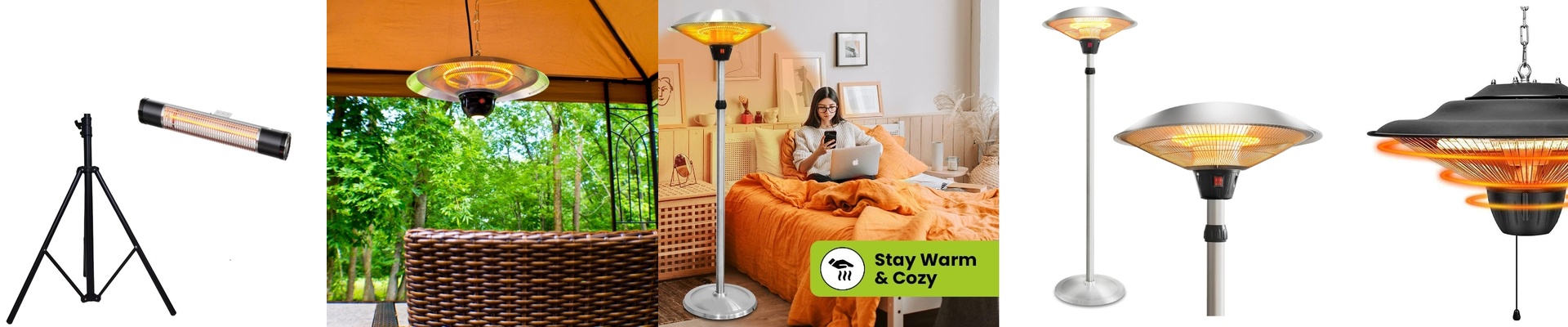
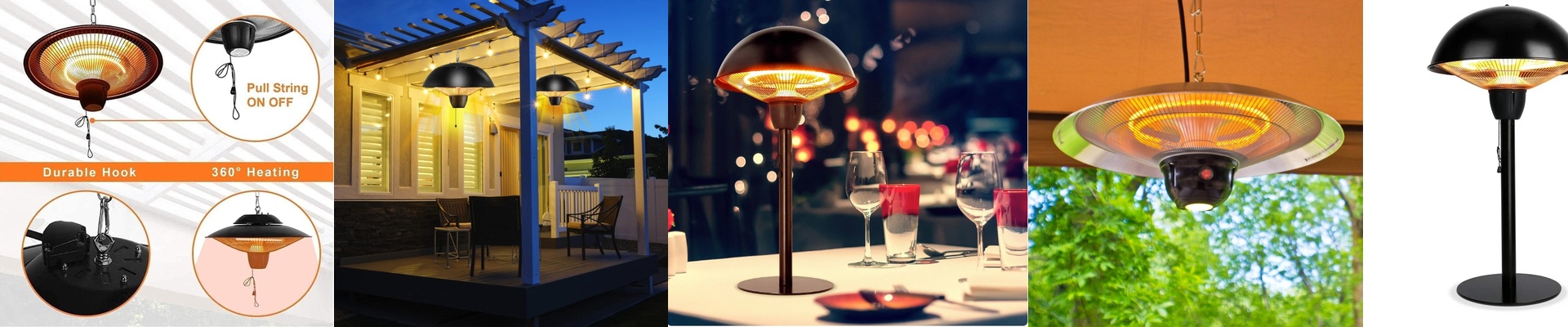
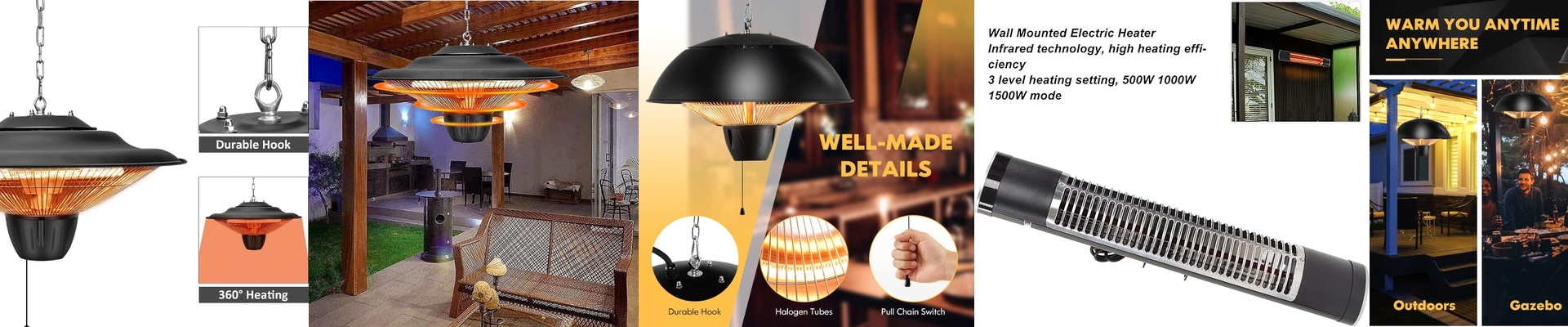
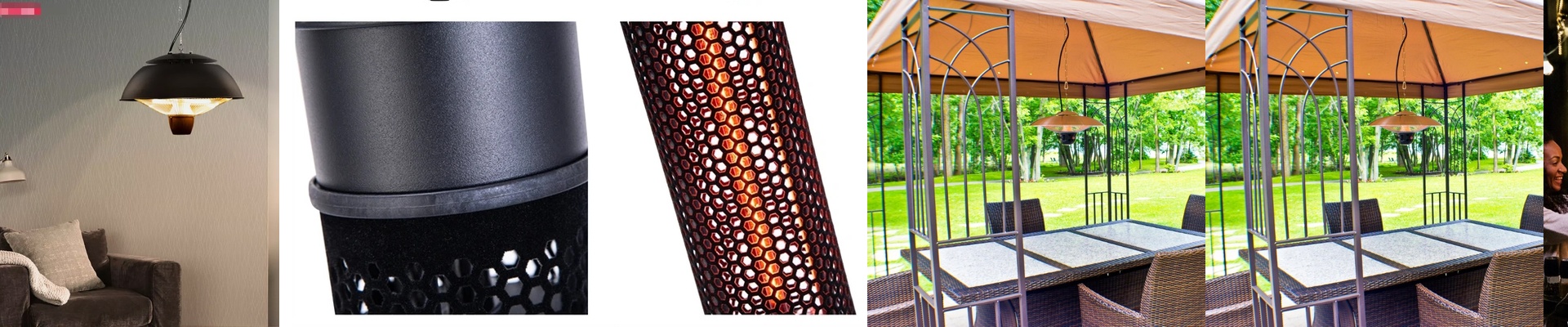
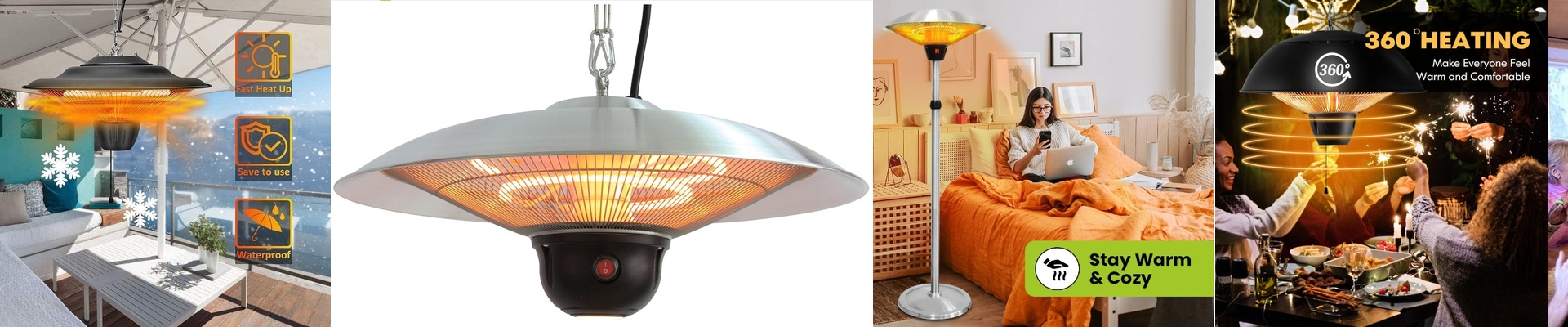
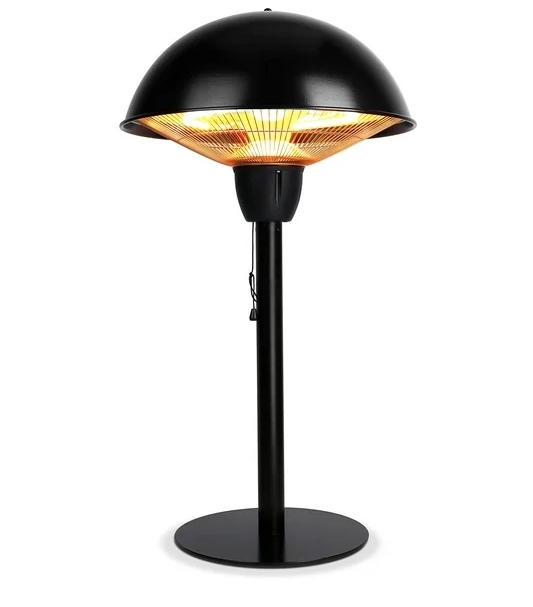
If you’ve ever run a nightclub patio or a dressing area, you know the struggle. You’ve got guests moving from the freezing cold outside into a transition zone, and no matter how high you crank the heat, it doesn’t work. Why? Because the warm air just vanishes the second a door opens. It’s like trying to fill a bucket with a hole in the bottom. That’s why we stop trying to heat the air and start heating the people. We use shortwave infrared emitters for this. Instead of warming up the room and hoping the heat stays put, infrared beams energy directly onto the person. It’s like stepping into a patch of sunlight on a winter day. The air around you can be freezing, but you feel warm instantly. The “Instant-On” Factor The best part is the speed. These units don’t need time to “warm up.” They hit peak temperature in a few seconds. It’s the difference between waiting ten minutes for a radiator to kick in and flicking a switch. Now, there is a bit of a balancing act here. More wattage means a more intense heat, but if you mount the units too low, you risk making your guests feel like they’re standing too close to a campfire. It’s all about finding that sweet spot where it feels cozy, not scorching. Built for the Mess Let’s be real: outdoor areas are brutal. Between the humidity and the occasional splash, gear takes a beating. We wrap everything in IP-rated enclosures to keep the electrics safe and the quartz tubes protected. We also use polished aluminum or gold-coated reflectors. It sounds fancy, but it really just means the heat goes where it’s supposed to—down toward the guests—rather than wasting energy by heating up the mounting brackets. Plus, we use heavy-duty wiring so you don’t lose power over long cable runs. A Few Things to Keep in Mind Here’s the catch: shortwave heat doesn’t travel as far as other types. You can’t just put one unit in a corner and expect the whole area to be toastier. You have to map out exactly where people will be standing. And be careful not to overdo it in tiny spaces, like a small changing room. If you put too much power in a cramped area, the room will overheat in seconds, and your guests will actually end up stepping back outside just to cool off. To keep your electric bill from skyrocketing, we usually suggest pairing the heaters with motion sensors or timers. That way, they only kick in when someone is actually there to enjoy them.