Stop Fighting the Wind: A Better Way to Heat Your Patio
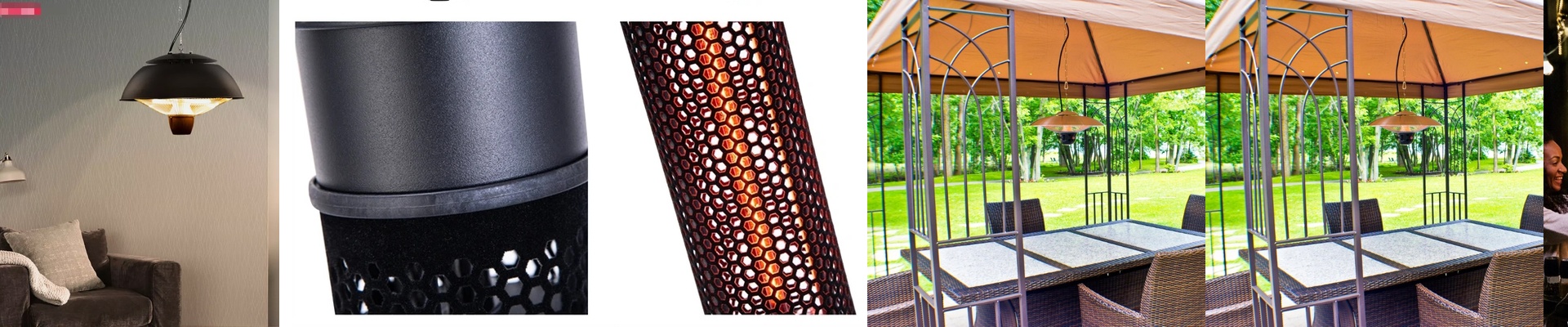
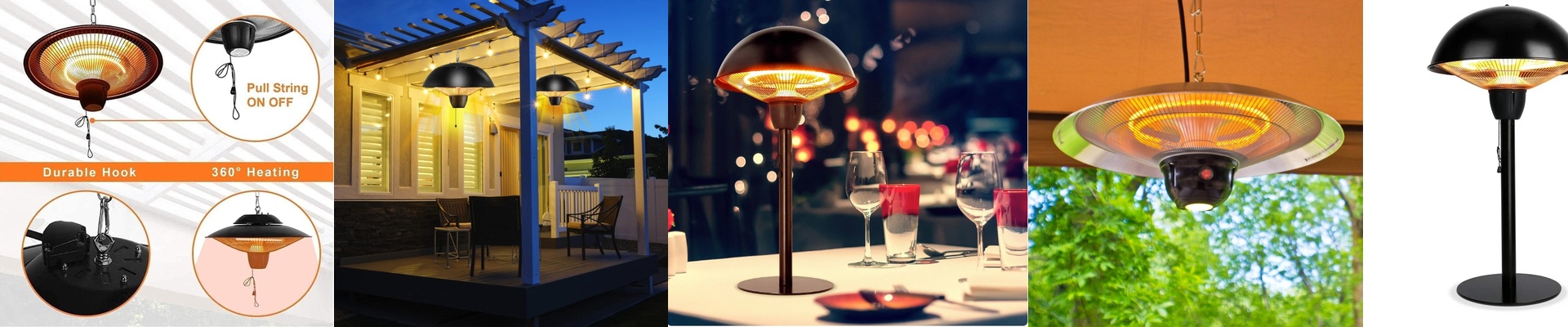
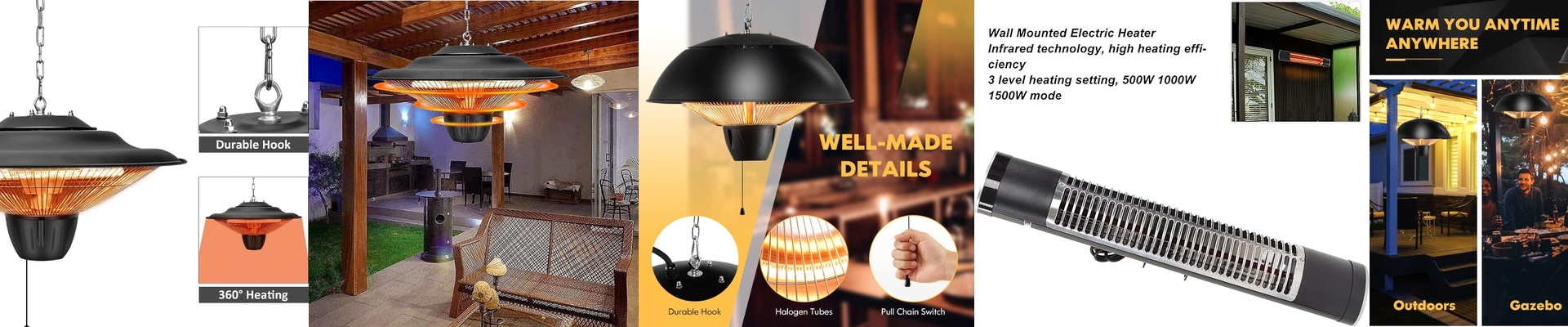
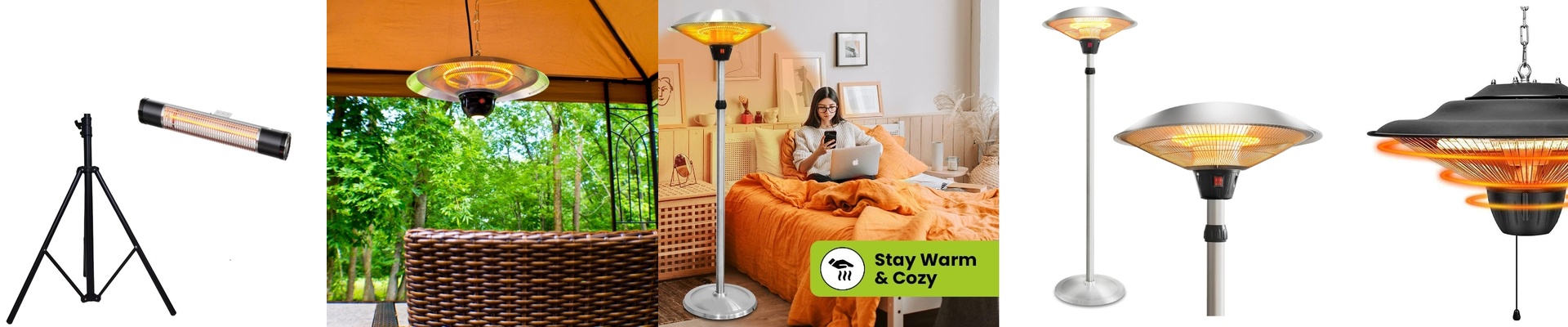
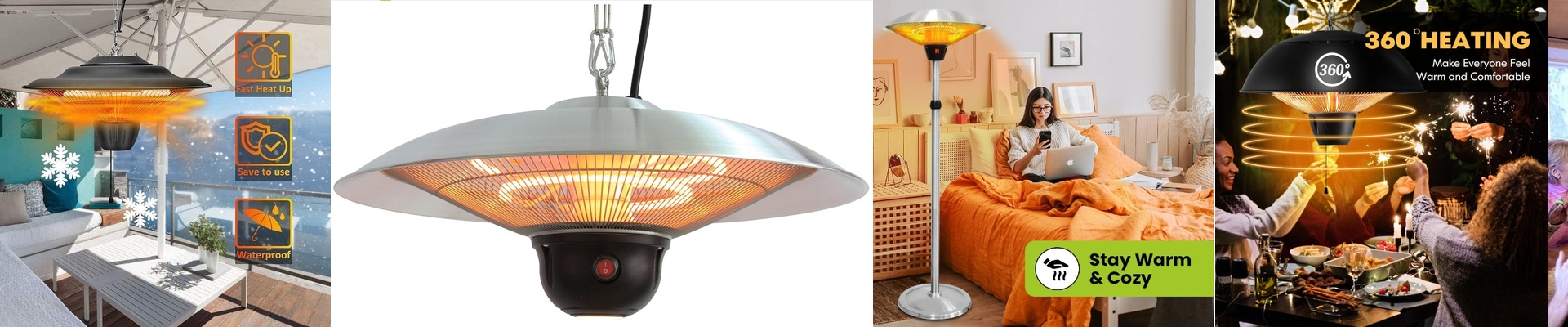
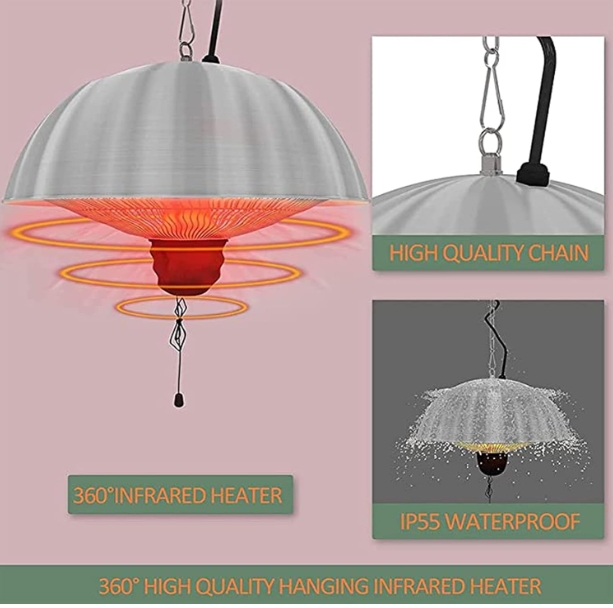
Let’s be honest: trying to heat an outdoor dining area is usually a losing battle. You turn on the heaters, a breeze kicks in, and all that expensive warmth just drifts away into the night. It’s frustrating for you and freezing for your guests. That’s why we use recessed infrared heaters. Instead of trying to warm up the air—which is basically impossible outdoors—these units beam heat directly onto people. It hits skin and clothing instantly. Plus, since they sit flush in the ceiling, they stay out of the way. No bulky equipment, no trip hazards, just a clean look. The science, simplified Here is the thing about short-wave infrared: it doesn’t care about the wind. It uses electromagnetic waves that pass right through the air without heating it. The result? The second a customer sits down, they feel it. There’s no awkward ten-minute “warm-up” period where they’re shivering through their appetizers. We usually suggest a grid layout to make sure every seat is covered. But you have to get the height right. Too high and the heat doesn’t reach the table. Too low and you’ve got “hotspots” that make guests sweat. We aim for that sweet spot—warmth that covers them from the shoulders down to the waist. The nitty-gritty of installation Now, I won’t lie to you—putting these in the ceiling is more work than just hanging a heater on a wall. You’ve got to deal with precise cut-outs and a fair amount of wiring. You’ll also want to double-check your electrical panel. These are high-wattage units, so they pull a lot of power. We use heavy-duty housings to make sure the heat stays where it belongs and doesn’t soak into your ceiling structure. It’s a bit more effort upfront. But once they’re in? You never have to think about them again. Why this actually matters for your bottom line At the end of the day, a cold patio is a ghost town. When your guests feel a steady, cozy warmth—around 22-25°C—they don’t want to leave. They stay for that extra glass of wine. They actually look at the dessert menu. It’s pretty simple math: when people are comfortable, they spend more. And you get to keep your tables full even when the temperature drops.