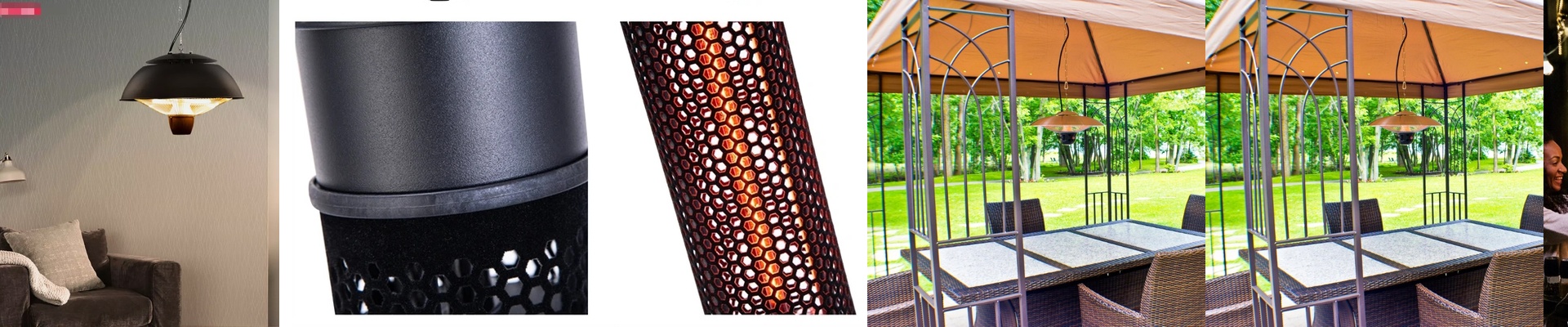
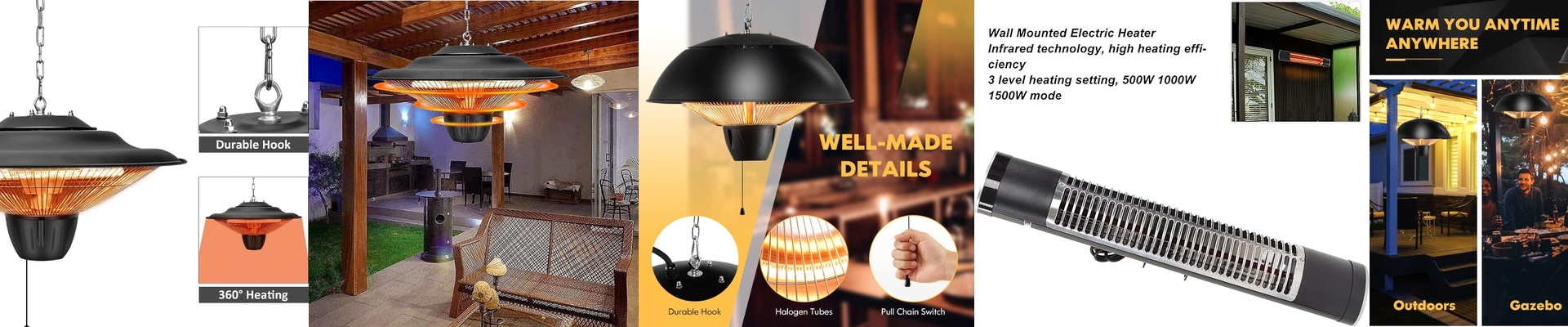
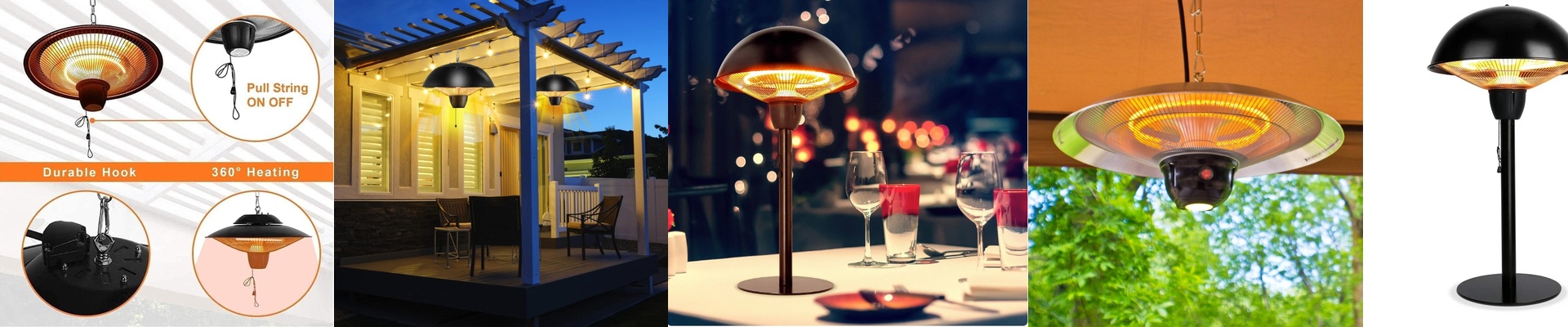
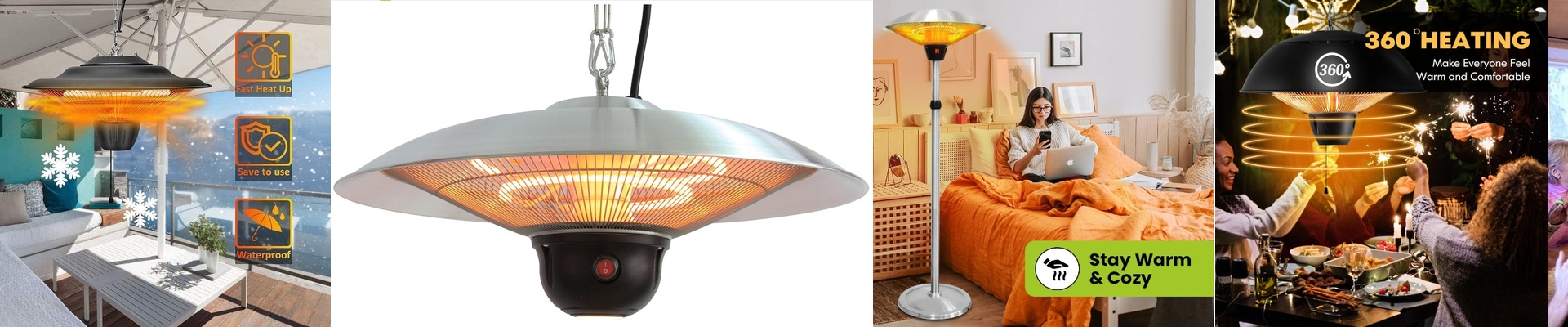
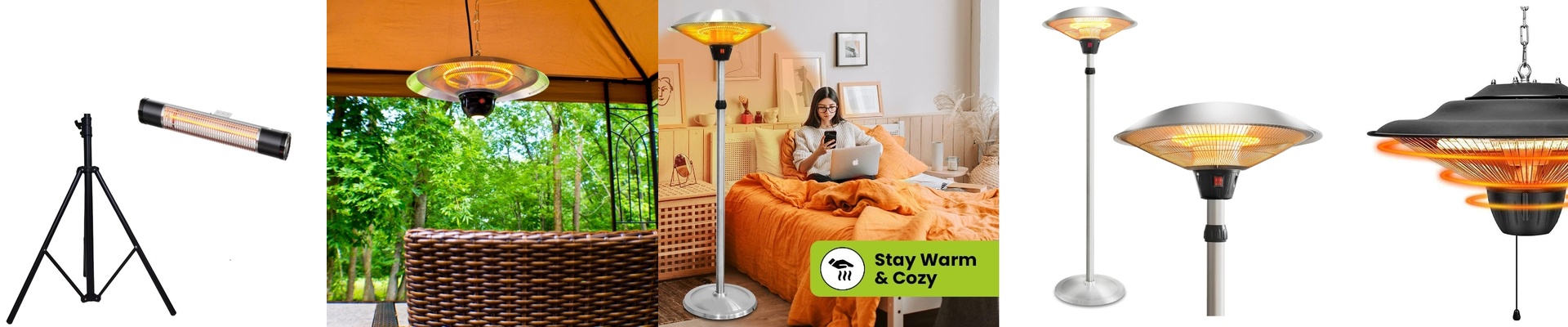

A cold warehouse isn’t just uncomfortable—it drags down pace, stiffens joints, and makes quality control a lot harder to hit. Standard heaters try to warm the whole air, and the bills climb while the warmth feels thin right where the work happens. We built our electric infrared heaters to fix that disconnect.
What matters under the hood
Infrared warmth is radiant heat, so it travels straight from the element to people and objects, not through the air. Our medium-wave units run a carbon fiber element inside a sealed quartz tube, which gives you fast warm-up, steady output, and long life. The beam is focused at 120°, so you get coverage where you aim it. Power is sized for real bays—pick from 2 kW to 5 kW, 120 V or 240 V, with a standard NEMA plug or a hardwire option. A built-in thermostat holds the space at the set point, and tip-over protection shuts the heater off if it gets knocked over. On dusty floors, an IP34 rating keeps the internals protected from splashes and debris.
Why it clicks in a warehouse
Point the heater at the packing station, the loading dock, or the tool crib, and people feel the warmth within seconds. You stop heating empty aisles and start heating the tasks that actually move work. Because the heat is directional, you can trim energy use while keeping comfort high where hands and feet need it most. The payoff is fewer slow starts, less downtime tied to complaints, and a clear drop in wasted kilowatt-hours.
The practical details
Infrared heats what it can “see,” so keep the path clear and don’t block the beam with stacks or equipment. For the best comfort, mount the heater 6 to 8 feet high and angle it toward the work zone. In spaces with high ceilings or heavy air movement, you may need multiple units to cover the full floor area. Plan the circuits early—these heaters draw significant current, and dedicated wiring is the safest, most reliable way to run them.