


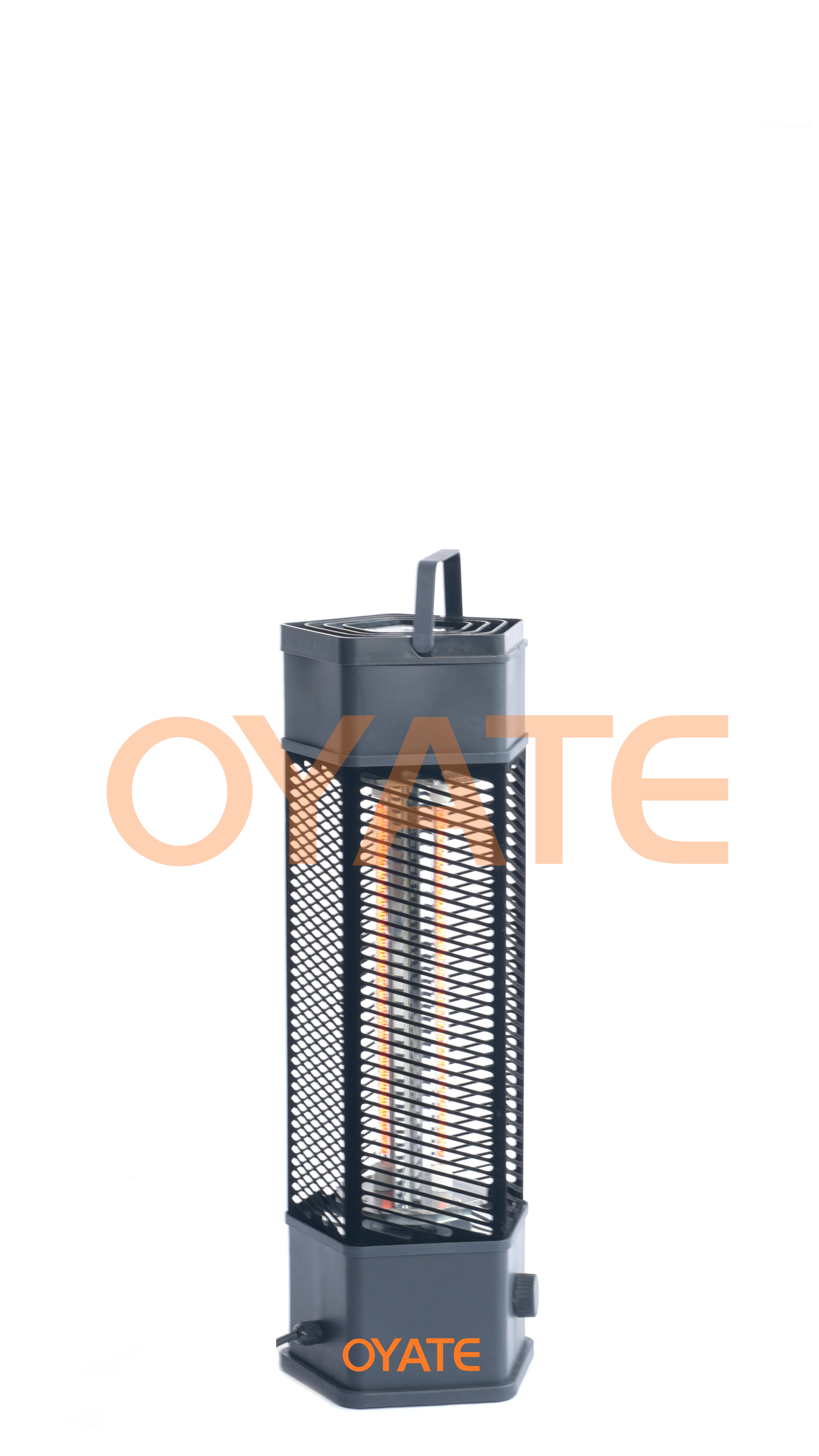
Why Most Bathroom Heaters Die Early (And How We Fixed Ours)
Let’s be honest: bathrooms are a nightmare for electronics. Between the steam from a hot shower and the occasional splash from the sink, it’s basically a torture chamber for heating elements. We’ve seen way too many units just give up the ghost because a few stray droplets got inside the housing, fried a circuit, or rusted out the contacts. So, we decided to stop the bleeding. For our latest infrared heater, we obsessed over two things: fog and splashes.
Dealing with the Steam
Steam is sneaky. It doesn’t just fog up the lens; it crawls into the electrical chassis. Once that vapor hits a cold spot inside the heater, it turns back into water. That’s when things get messy. Those tiny droplets create paths for electricity to go where it shouldn’t, and boom—your heater is dead. To fix this, we used sealed gaskets and a smarter venting system. It basically keeps the wiring bone-dry, even when your bathroom feels like a sauna.
The Splash Factor
Then there’s the actual water. A stray spray from the shower can kill a cheap heater in seconds. We designed the housing to actively push water away from the infrared tubes and power terminals. Now, let’s be clear: you can’t throw this thing in a swimming pool. But for the everyday chaos of a bathroom? It’s got you covered. We also used high-temp seals, so they won’t warp or crack after a few months of heating up and cooling down.
The Balancing Act
Here’s the tricky part. If you seal a heater too tightly to keep water out, you trap the heat inside. That’s a recipe for a meltdown. We had to find a middle ground. We added specific “thermal relief zones” to the chassis—basically strategic spots where the heat can escape without letting the moisture in. Just a heads-up: if you block those vents during installation, the safety switch will kick in and shut the unit down. Give it some room to breathe. The result? A heater that actually lasts. You get something that can take the beating of a high-humidity bathroom without the electrical guts rotting away like they do in the cheap stuff.