

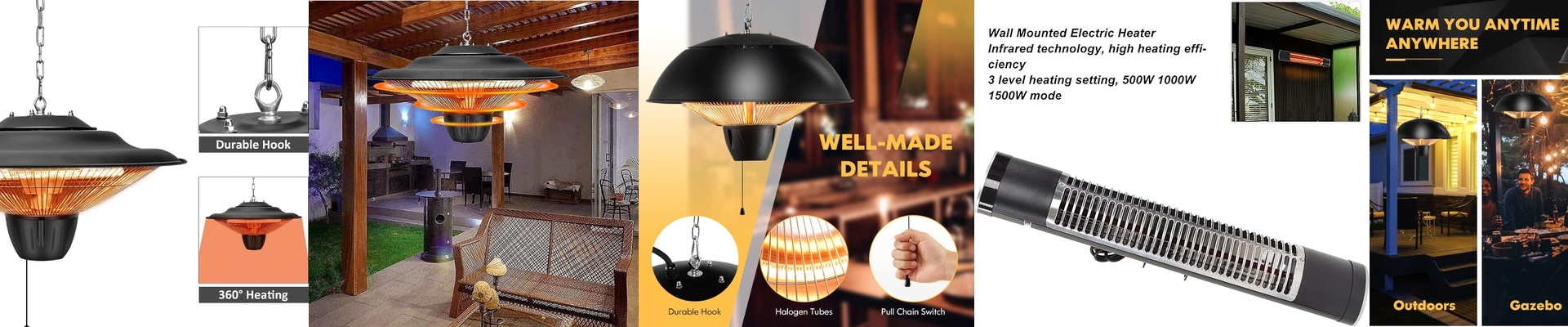
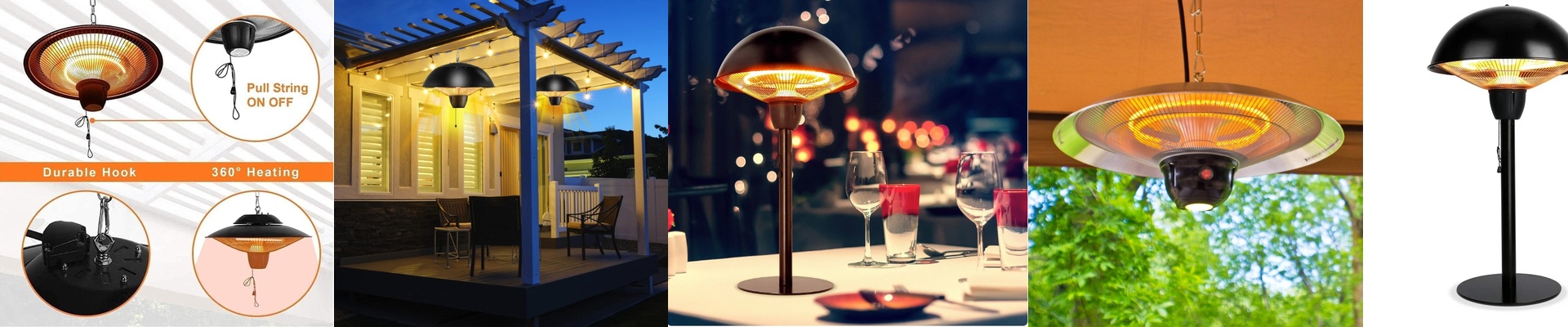
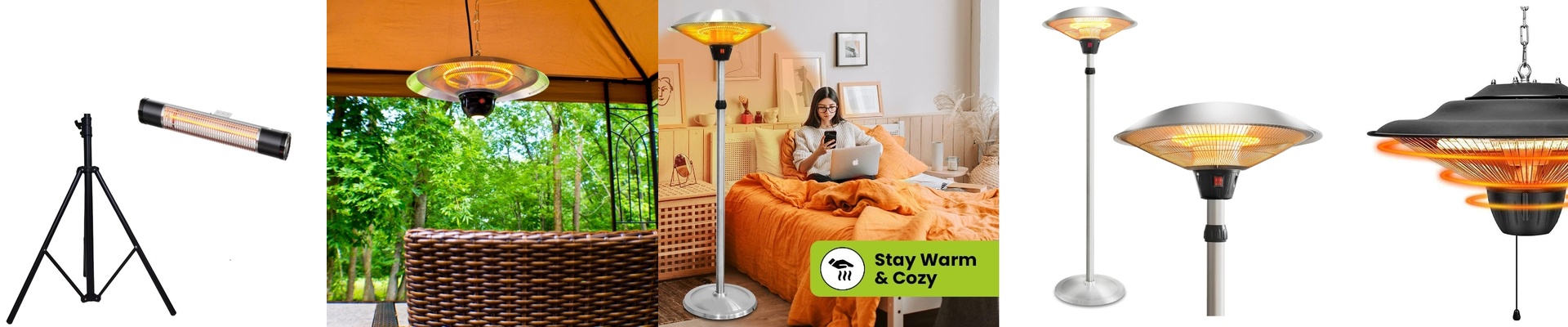
Try working in a drafty garage when the mercury drops. The first thing to go is feel—cold air gnaws at knuckles and wrists, and your fingers turn stiff and clumsy. For an auto tech, that means longer cycle times, more mistakes, and a lot of unnecessary misery. Infrared warmth changes that because it heats people and tools directly, not the air around them.
What matters under the hood
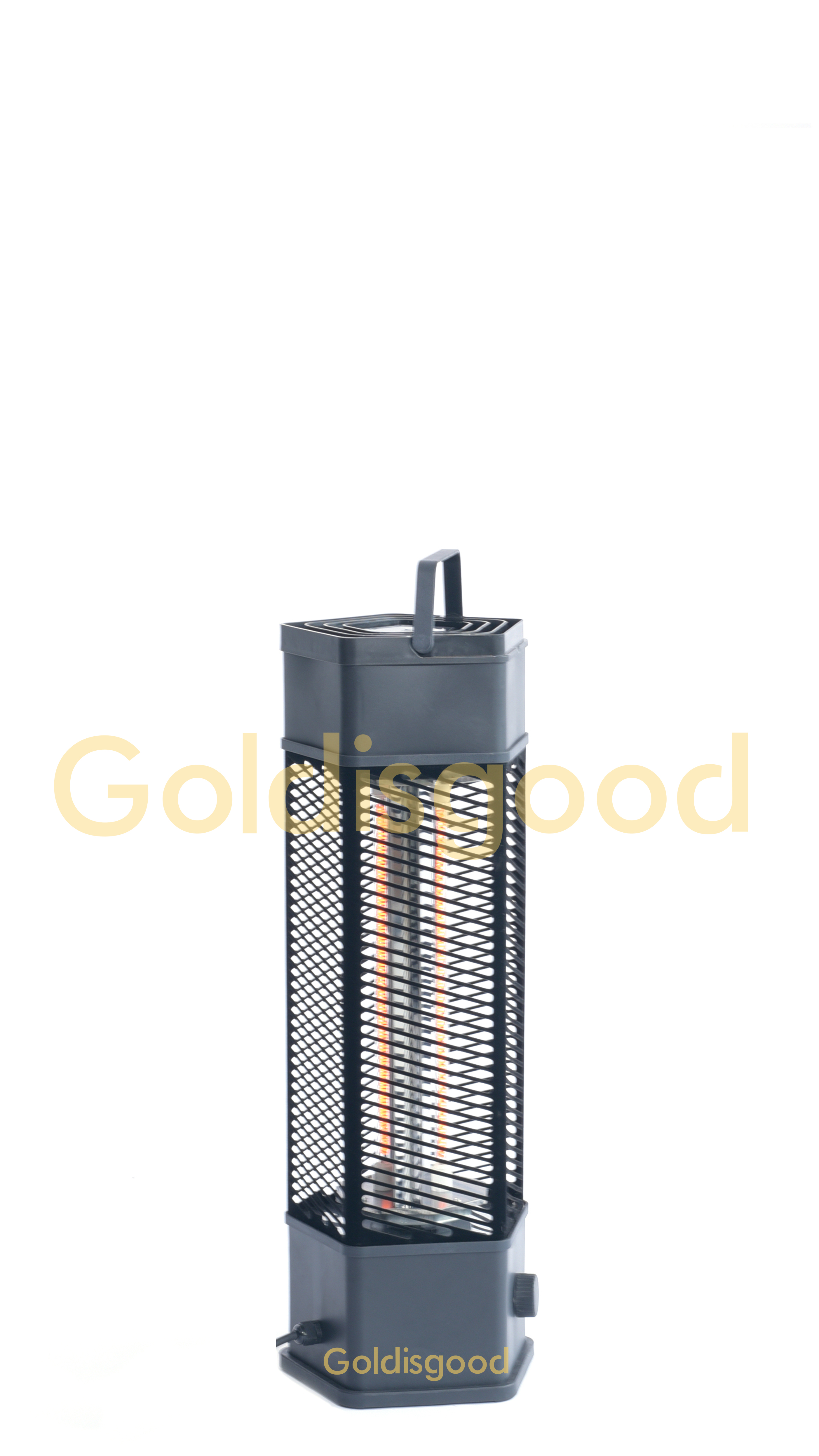
We built this IP65 waterproof infrared heater around a high-output quartz tube that throws radiant heat within seconds of startup. The IP65 rating keeps the internals sealed against dust and water jets, so it can live with the damp, oily, and drafty reality of a workshop. Pick the voltage that matches your outlet and wiring, then set the adjustable thermostat to keep the heat where you want it. The payoff is direct warmth that doesn’t depend on heating the whole room.
Why this works in a garage
In a workstation, the goal isn’t a warm building—it’s warm hands. Infrared radiation hits exposed skin and work gloves, which helps you keep dexterity and cuts the need to stop and warm up. Because the heat is local, you’re not paying to warm empty space, and you’re not waiting on a fan to push warmth through drafts. That means fewer interruptions, more consistent work quality, and a steadier pace when the shop’s open to the wind.
What to keep in mind
This heater is designed for outdoor and workshop use, but it still needs the right electrical setup. Match the unit to your circuit capacity, and keep clearances clear of tools, solvents, and anything flammable. For best results, aim it to shine on the torso and hands—warming the body improves grip and coordination faster than trying to heat just the fingertips. Expect fast comfort, not a whole-shop remodel.