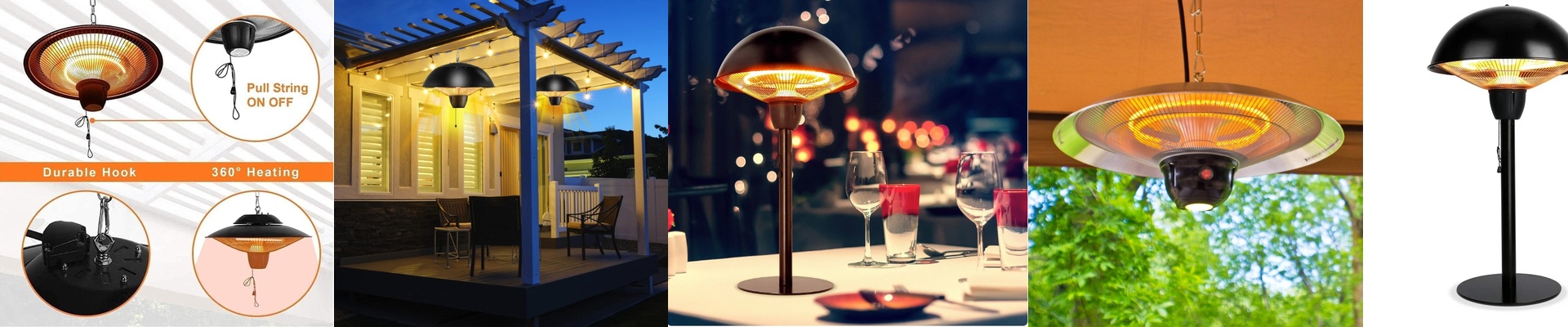
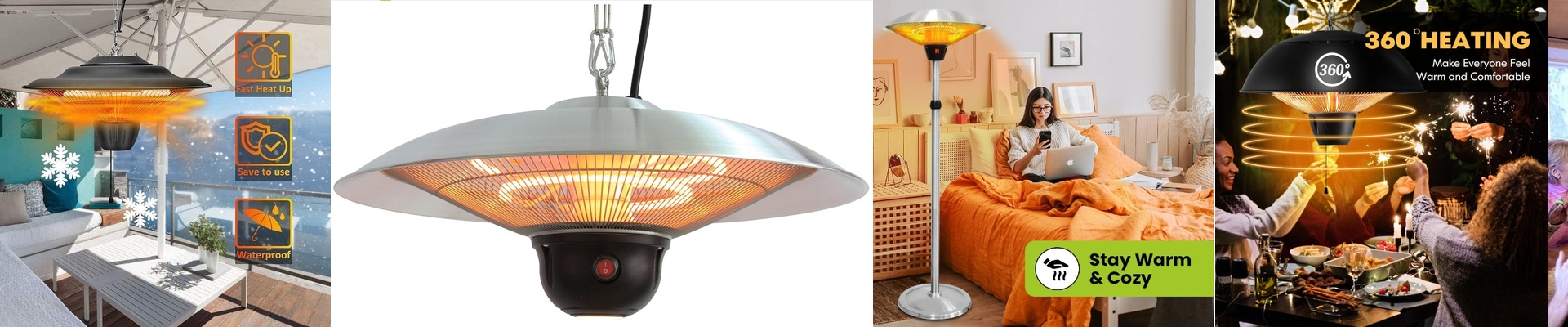
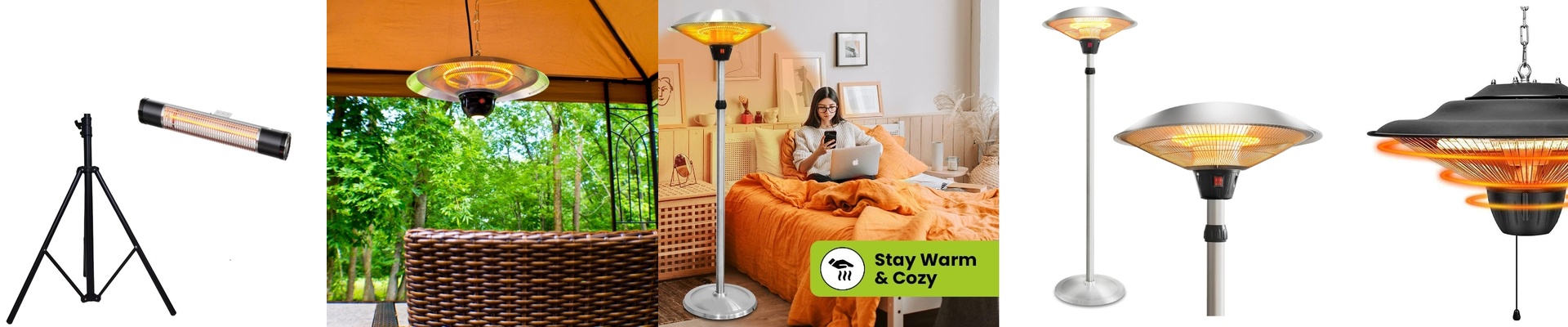
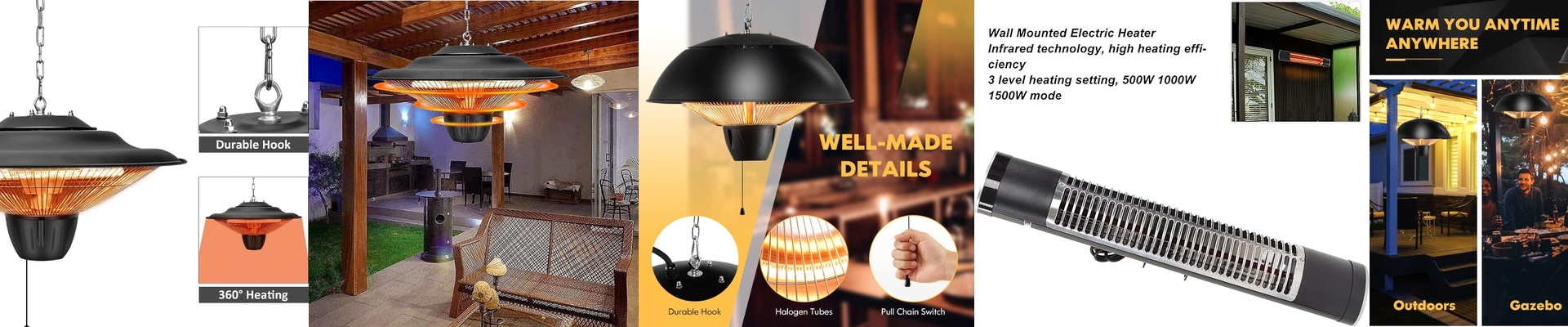
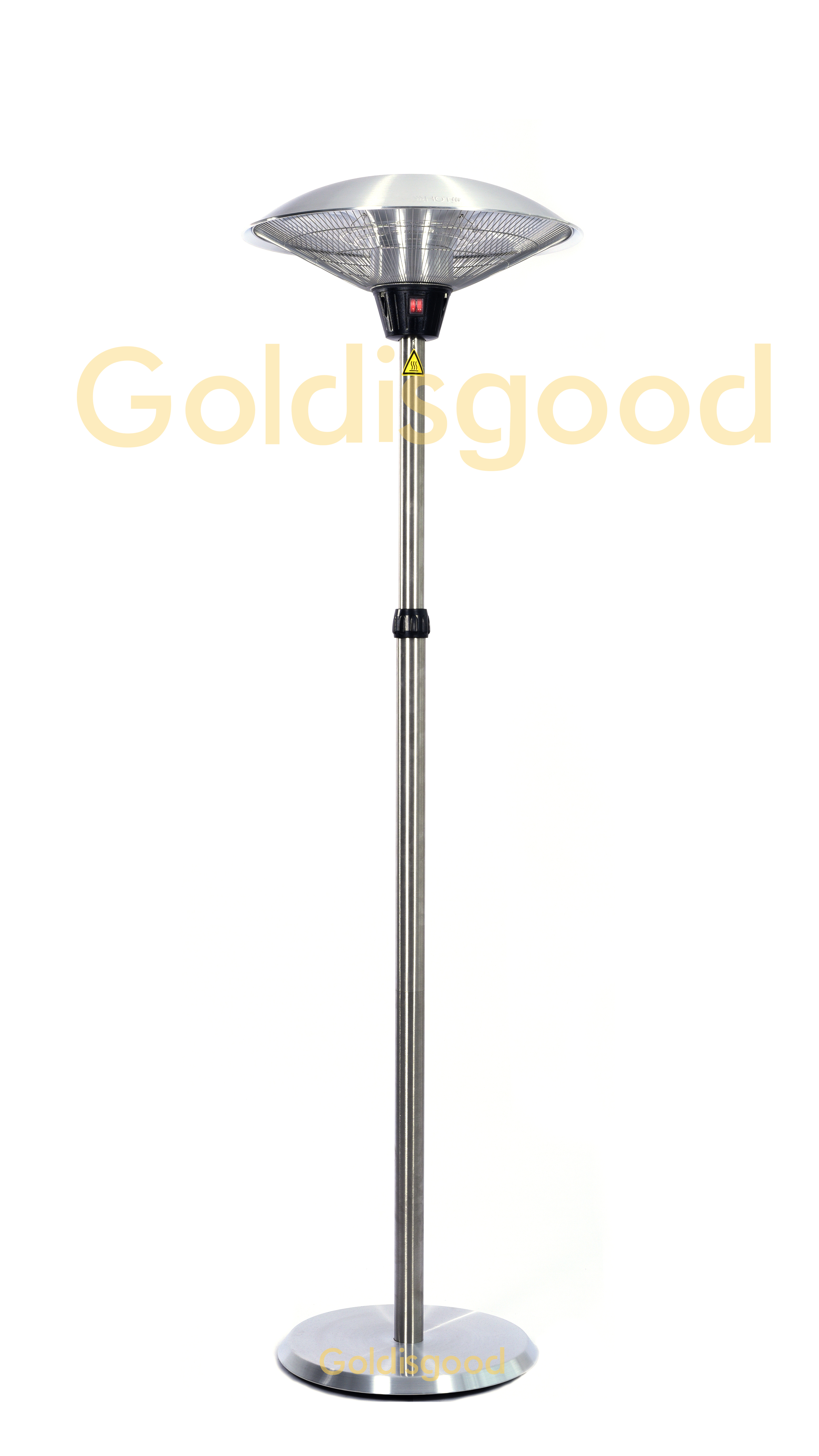
Making Bathroom Heaters That Actually Make Sense
Let’s be honest: putting a powerful heater in a room full of steam and splashing water is a bit of a nightmare from an engineering standpoint. You need it to be warm—fast—but you don’t want to turn your bathroom into a sauna or, worse, a safety hazard. That’s why we use IP65-rated housings. In plain English? It means the electronics are sealed tight. No dust gets in, and more importantly, the steam and water jets from your shower stay where they belong—outside the circuitry.
The “Blinding Light” Problem
If you’ve ever used a basic infrared lamp, you know the feeling. They’re blinding. That harsh, white glare is annoying at best and actually stressful for your eyes at worst. And if you’ve got a baby in the house, that kind of brightness is a big no-go. We fixed this by filtering the light. We add special coatings to the quartz glass or tweak the filaments to shift the light spectrum. Here’s the trade-off: we cut out the blinding white light and the UV rays, leaving only the infrared energy. You still feel that cozy, instant warmth on your skin, but you aren’t squinting the whole time. Sure, it costs us a tiny bit of raw heat efficiency, but it’s a fair price to pay so you can actually look at the heater without needing sunglasses.
What’s Under the Hood?
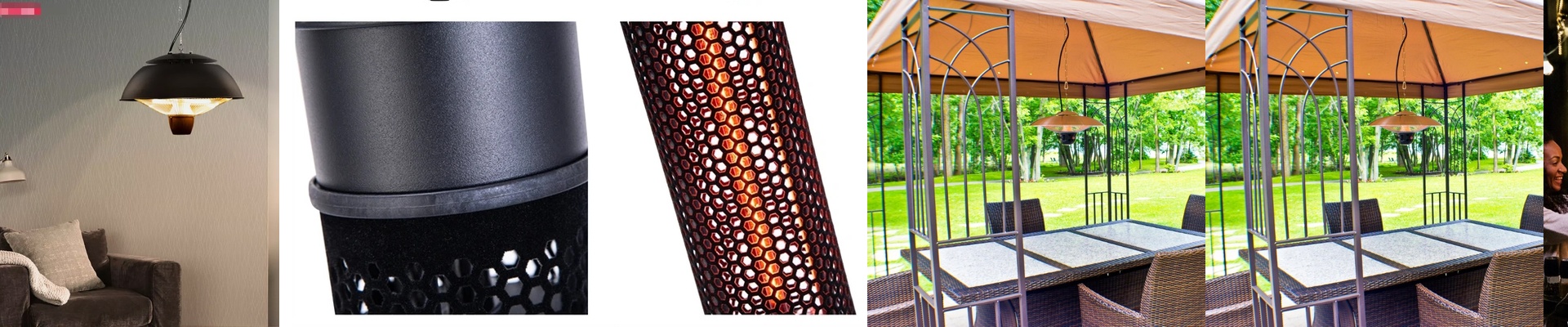
To keep things waterproof, we rely on heavy-duty silicone gaskets and sealed cable entries. It’s simple, but it works. Inside, we use a tungsten filament tucked into a halogen-filled quartz tube. The halogen part is the secret sauce. It lets the filament run hotter without wearing itself out, which means the bulb lasts way longer before you have to worry about replacing it.
A Few Tips for Installation
When you’re wiring these in, keep one thing in mind: these things gethot. Like, really hot. If your housing doesn’t have proper venting or if you’re using cheap materials, you’ll start seeing warping or weird discoloration on your walls and fixtures. It’s not a great look. A couple of quick tips to keep things safe: ***Match the wattage to the room.**You don’t need a powerhouse for a tiny powder room. ***Use high-temp wiring.**Standard wires can fry under constant heating and cooling cycles. Get the wiring right, and you’ve got a bathroom that feels like a spa instead of a construction site.