
Keeping Your Garden Heater Alive: The Truth About IP65
If you’ve ever put a heater on your patio, you know the deal. You aren’t just fighting the winter chill; you’re fighting the elements. Rain, wind, and that annoying morning dew—they’re all trying to find a way into your electronics. That’s why we obsess over the IP65 rating.
What does IP65 actually mean?
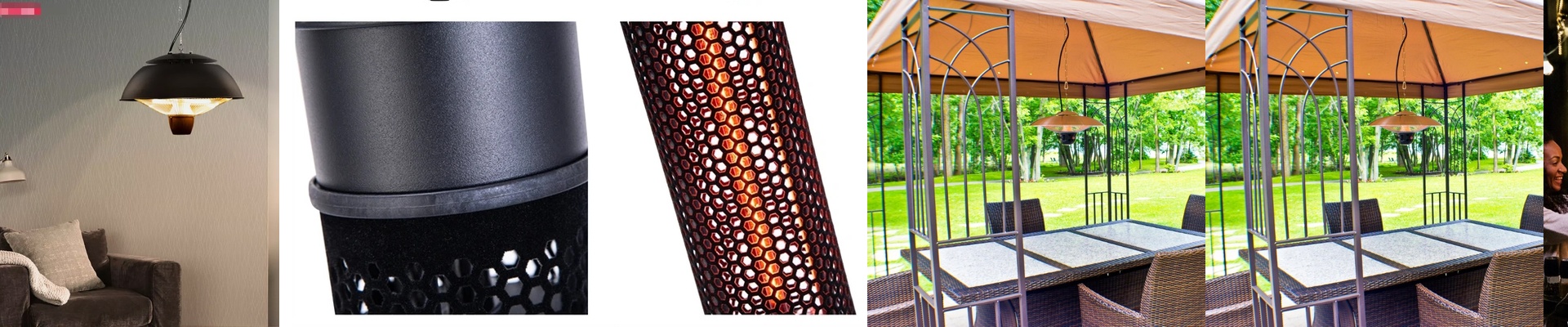
Forget the technical manuals for a second. Here is the real-world version. The “6” means dust can’t get in. No grit, no sand, no random debris clogging up the reflectors or frying the circuit board. The “5” is the important part for outdoor living. It means the unit can take a blast of water from pretty much any angle and keep on ticking. We make this happen with tight, precision-molded gaskets and sealed cable entries. Most cheap heaters fail because water leaks right into the wiring terminals.We just don’t let that happen.
The battle against fog
Condensation is a sneaky problem. When that scorching hot element hits cold, damp air, you get fog on the quartz tube. It’s not just ugly—it messes with how the heat spreads and can actually shock the glass, causing it to crack. To fix this, we played around with the shape of the housing. We found a way to let air move around the unit without letting the rain in. This keeps the lens clear and stops water from pooling at the base of the lamp. It just works.
The trade-off
Here is the honest part: when you seal something this tightly to keep water out, the heat has fewer places to go. The internal chassis is going to get hot. Because of that, you’ve got to be smart about where you put it. Make sure your mounting brackets can handle the heat and give the unit plenty of breathing room away from anything that could catch fire. We build these things to take a beating. By focusing on the seals and how water runs off the frame, we’ve made a heater that actually lasts. You won’t have to replace it just because you had one particularly rainy autumn.