
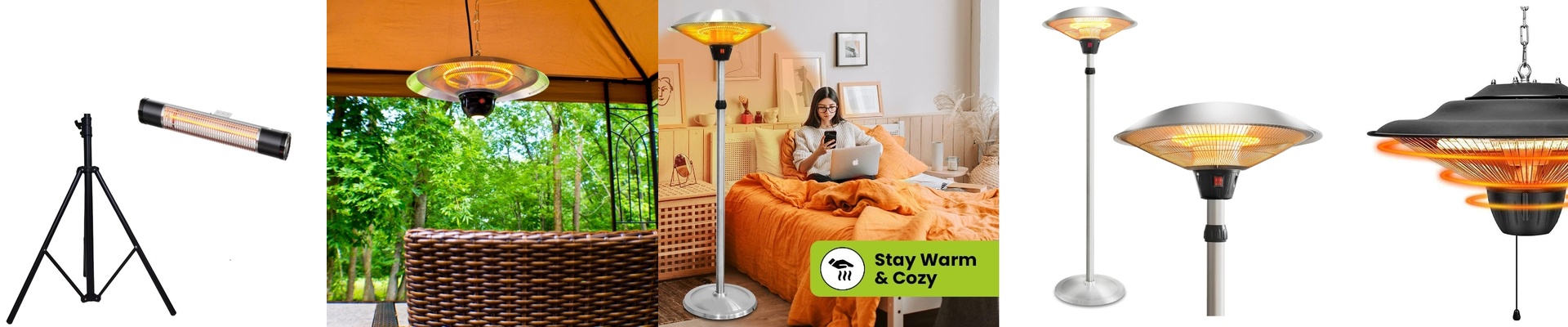
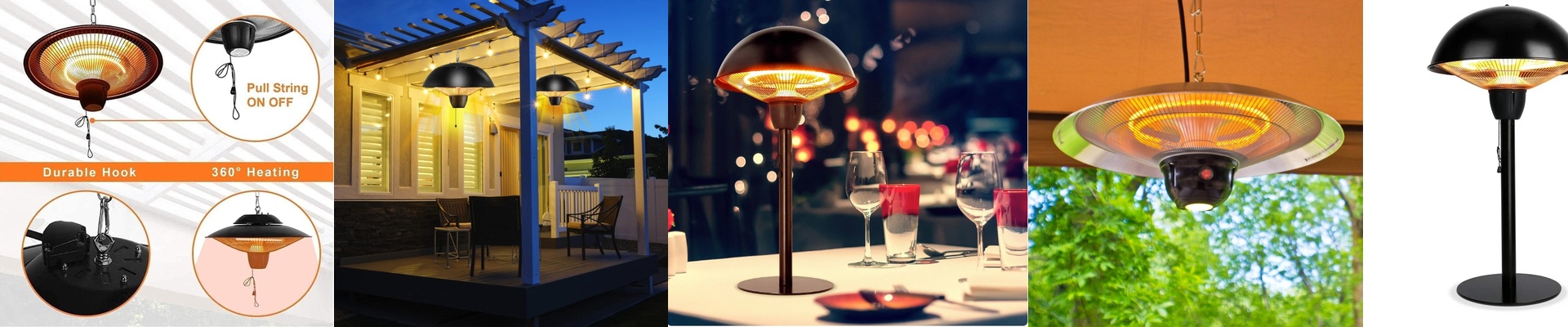
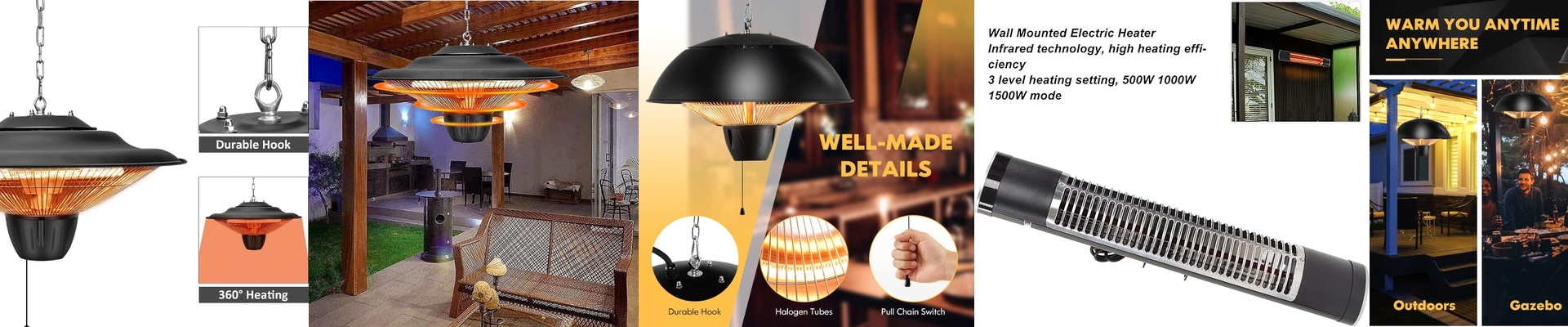

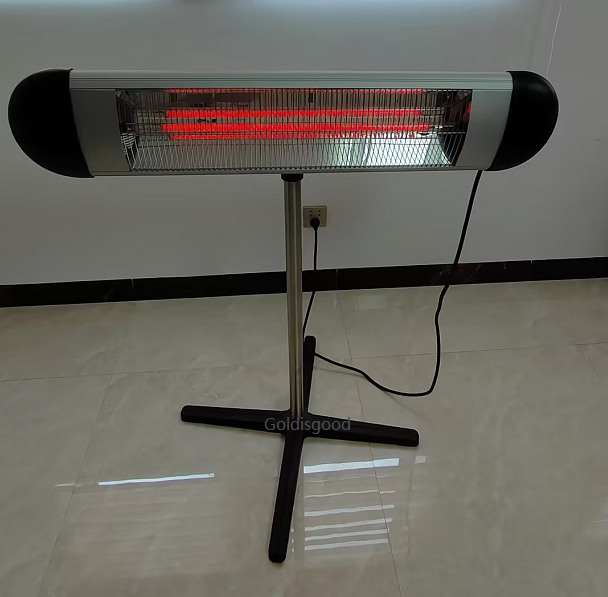
The Demands of an IP65 Outdoor Infrared Heater
We built these heaters for the real world—the kind that throws rain, dust, and sudden temperature swings at you. An IP65-rated infrared heater isn’t just a heat source. It’s a sealed, tough piece of gear designed to keep working when the weather tries its hardest to stop you. Its job is simple: deliver steady, radiant heat exactly where convection heating falls short or just isn’t safe. And to do that, the inside has to stay solid, even when it’s running nonstop. No weakening. No surprises.
The Technical Rationale: Power, Voltage, and Dimensions
It all starts with the electrical specs. You’ll typically see options at 230V or 400V, with power ranging from 1500W to 2500W—packed into a tube that’s usually 300mm to 600mm long. That high power density isn’t by accident. It means the heater hits operating temperature in seconds, so you feel the heat right away. The voltage choice is matched to your plant’s setup, which helps keep current draw and line losses in check. But packing that much power into a small space creates a lot of heat. So here’s the practical part: the mounting hardware and nearby components need to be rated to handle that thermal load. Plan for it, and life gets a lot easier.
Material & Design: Halogen, Quartz, and Connectors
We use a halogen-filled quartz tube because it can handle the extreme filament temperatures needed for shortwave infrared output. The halogen cycle does something useful, too—it keeps the tube cleaner for longer, which helps maintain output and extends the life. Achieving IP65 comes down to a sealed housing and proper gasketing. The goal is simple: keep water jets out so the electrical elements stay protected. Then there’s the connector choice, and it’s all about making your life simpler. The R7s base is a direct, drop-in replacement for many existing industrial fixtures, so maintenance is straightforward. If you’re dealing with heavy vibration, the Sk15 connector is built to stay tight—no loose contacts, no unexpected power drops.
Application & Benefits: The Value of Rigorous Aging Tests
Here’s the question we hear all the time: why push every unit through a harsh hot-and-humid aging test? Because we want failures to happen here, not out in your plant. We run extended cycles inside a controlled humidity chamber, forcing the heater to deal with years of steam and condensation in a short time. That exposes weak points in the seals, terminals, and internal wiring long before you ever install it. What that means for you is performance you can trust over time. You get the rated output consistently, not just on day one. Fewer field failures. Lower maintenance costs. And uptime that feels solid. We don’t just build heaters. We build reliability into them.