

Getting the Heat Right for Hydrogen Sensors
If you’ve ever tried to build hydrogen sensors, you know the struggle. You’re fighting a constant battle to keep the membranes intact and make sure the catalyst actually sticks. It’s a delicate balance. That’s why we’ve moved toward infrared (IR) systems. The beauty of IR is that it doesn’t bother heating up the air around the part; it just puts the energy exactly where it needs to go. No more waiting around for the air to warm up. It’s fast. Really fast. And that makes a massive difference when you’re trying to push more units through the line.
Making the “Smart Factory” Actually Work
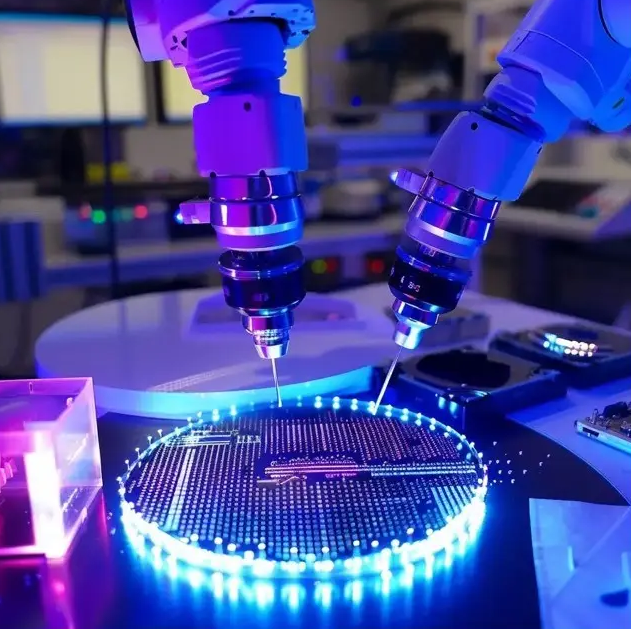
We talk a lot about “digital fabs,” but what does that actually mean on the floor? For us, it’s about a tight feedback loop. We hook our IR heaters up to PLC-controlled power supplies so we can react in milliseconds. It’s a world away from those old convection ovens. With IR, you can pick and choose exactly which spots on the substrate get the heat. You aren’t just baking the whole thing and hoping for the best. This means way less warping and, more importantly, way less scrap hitting the bin. When your system can tweak the power on the fly based on what the sensors are telling it, that’s when the whole “smart factory” thing actually starts to feel real.
The Hardware Headache
Now, it’s not all magic. High-density IR lamps pack a punch, but they dump a lot of waste heat into the room. You can’t just toss these into a chassis and call it a day. If you don’t crunch the numbers on your cooling system, your ambient temperature will spike, and suddenly your temperature window is gone. To keep things manageable, we usually stick with shortwave IR. It hits the surface hard but keeps the bulk of the material cool, which saves you a lot of grief.
Cleaning Up the Floor
One of the best parts about switching to IR is how much space you get back. You can rip out those massive heating elements and the clunky air ducts. It opens up the floor for your automated arms and inspection cameras to actually move. Plus, you stop guessing. You aren’t just wondering if the parts “soaked” long enough; you know exactly how much energy hit every single sensor. It just takes the guesswork out of the equation.