

Getting Your Glovebox Heat Right: Why IR is the Way to Go
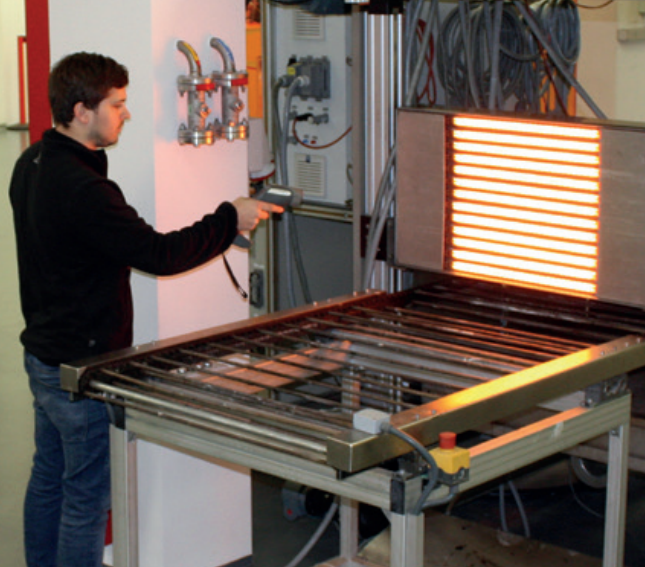
If you’ve ever worked in semiconductor fab, you know the struggle. Trying to keep a glovebox at the right temperature feels like a losing battle against heat loss. For a long time, we just leaned on convection ovens, but let’s be honest—they’re clunky and waste a ton of energy. If we’re actually serious about cutting carbon, we’ve got to stop heating the air and start heating the part. That’s where infrared (IR) comes in. The trick is all in the targeting. We use short-wave IR elements because they don’t bother heating up all that inert gas filling your box. Instead, the energy goes straight into the workpiece. It’s a huge relief for your HVAC and gas purification systems because they aren’t fighting a giant cloud of wasted heat. Plus, it’s fast. Really fast. Because the power density is so high in such a small space, you can hit your target temps in seconds. No more standing around waiting for a big oven to finally warm up. What’s actually under the hood? Most of the elements we use are tungsten filaments tucked inside high-purity quartz tubing. Why quartz? Because it can handle the shock of jumping from cold to hot without cracking. We also add specific coatings to the tubes. This stops the heat from just bouncing off the surface and actually forces it to penetrate the material. But you have to be careful with the wiring. In an oxygen-free environment, you can’t afford any arcing, so standard, high-quality connectors are a must. And please, double-check your power supply. If you push too much current through a low-voltage tube, you’ll fry that filament in a few weeks. It’s a frustrating way to kill a project. The reality of setting it up Switching to IR makes the machine build simpler and cleans up your carbon footprint. But it isn’t magic; there are trade-offs. High-density IR creates intense hotspots. If you aren’t careful with where you place the lamps, you risk warping your panels or ruining your seals. It’s a balancing act. And one last thing: check your cooling fans. If they aren’t built to handle the radiant heat reflecting off your workpiece, your components are going to fail a lot faster than they should.