
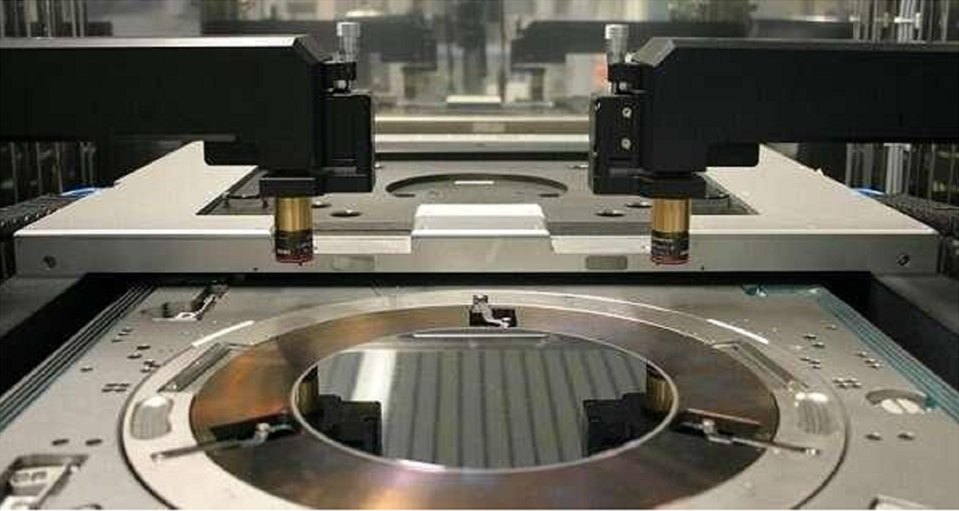
Why we’re switching to IR for clean room trolleys
If you’re building out a smart fab, you’ve probably realized that old-school convection heating just doesn’t cut it anymore. It’s clunky. We’ve been moving toward infrared (IR) systems for trolley heaters lately. The reason is simple: they hit the target directly. No more wasting energy trying to heat up all the air in the room just to get a piece of hardware warm. The tech side of things We use shortwave IR for semiconductors. Why? Because it ramps up fast. When you’re moving wafers, you can’t afford a temperature dip during transport. To keep things “smart,” we hook these up to PLC-driven PID controllers. It gives you a live look at your wattage and surface temps. All that data flows straight into your digital twin, so you actually know what’s happening on the floor in real-time. Dealing with clean room headaches Clean rooms are picky. One stray particle and you’ve got a problem. That’s why we use high-purity quartz envelopes—they stop outgassing before it starts. Space is also a premium. By using high-watt-density lamps, we can get the same heat in a tiny fraction of the space you’d need for resistive coils. Plus, if you’re running high-voltage rails, you can use thinner cables. It makes the whole trolley lighter and easier to move. The trade-offs (because nothing is perfect) Here’s the catch: high-intensity IR is aggressive. If your chassis isn’t shielded right or your airflow is a mess, you’ll end up with “heat soak.” That’s when your surrounding electronics start baking, and that’s a bad day for everyone. You’ve got to be smart about your cooling fans and heat sinks to handle that radiant blowback. But once you get that dialed in? Your warm-up cycles drop. The hardware is simpler. You get a system that reacts fast and actually fits the data-heavy world of a modern fab.