Stop Baking Your Equipment: A Better Way to Handle Heat in Semi Packaging
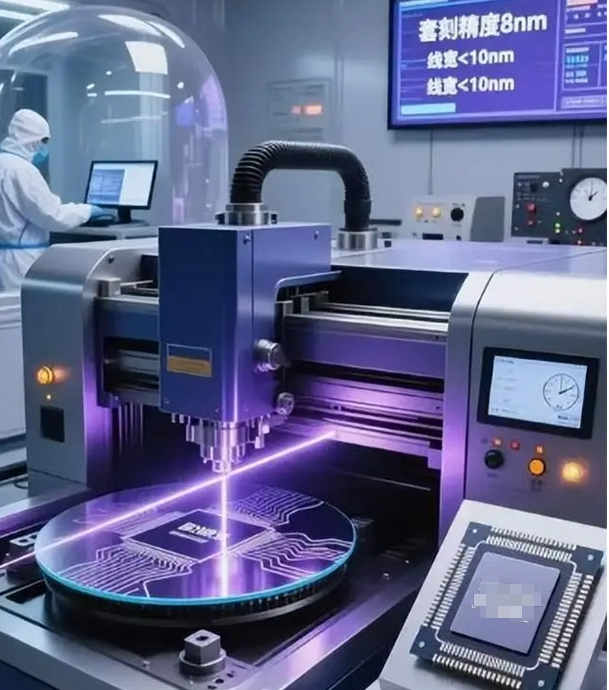
Ever touched the side of a semiconductor cabinet and practically felt your skin sizzle? It’s a classic problem. You’re trying to heat the workpiece, but because standard infrared lamps blast heat in every single direction, the cabinet walls end up absorbing half the energy. You’re basically paying to heat a metal box instead of your product. We deal with this by switching to directional infrared heating. How it actually works Think of a standard quartz lamp like a lightbulb that glows everywhere. In a tight space, that creates a massive “heat soak” effect. It’s messy. We use specific reflectors and coatings to tighten that beam. Instead of a general glow, you get a focused stream of energy hitting the sensor packaging exactly where it needs to. The result? The heat stops bouncing around the inner walls, and the outer skin of your cabinet stays cool. Your internal electronics get a break, too—they aren’t just baking in a sauna all day. The trade-offs (The “Gotchas”) Here is the thing: to get the ramp-up speeds you need for curing, you have to pack a lot of wattage into a tiny footprint. We usually go with high-intensity short-wave output because it’s incredibly fast. But that speed comes with a price. It puts a real strain on your power supply. When those lamps first kick in, you’ll see a huge spike in current. If your wiring isn’t beefy enough to handle that initial hit, you’re going to be tripping breakers and staring at a dead line. Keeping things safe and running This isn’t just about saving a few bucks on the electric bill. It’s about not burning your hands. When the outer walls stay cool, your team can swap parts or jump in for manual fixes without fearing a nasty burn. Just a heads-up on the install:get your alignment right. If your reflectors are off by even a couple of millimeters, the focal point shifts. Suddenly, those walls start getting hot again. And if you’re swapping out an old-school lamp for a directional one, double-check where your sensors are sitting. You’re moving from a general heat cloud to a concentrated beam, so placement is everything.