How to Keep People Warm in Wet, Cold Spaces
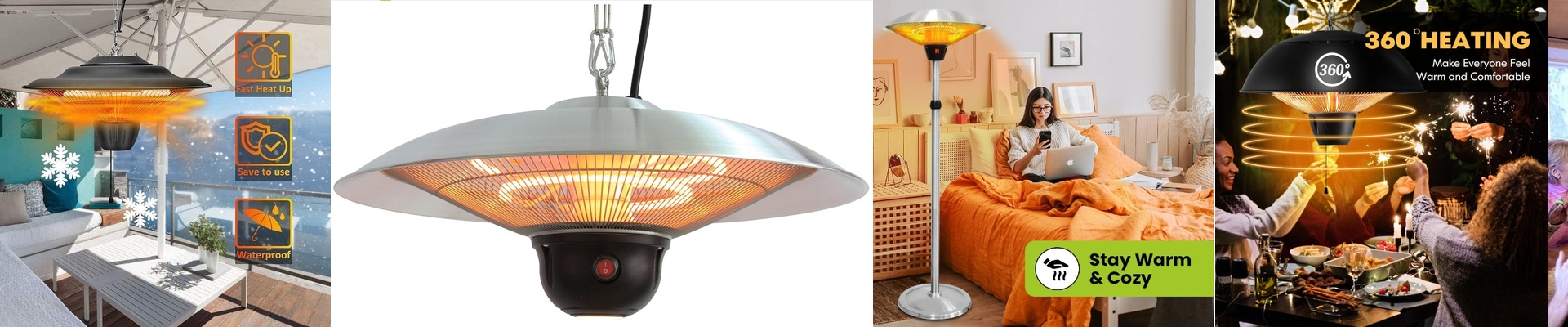
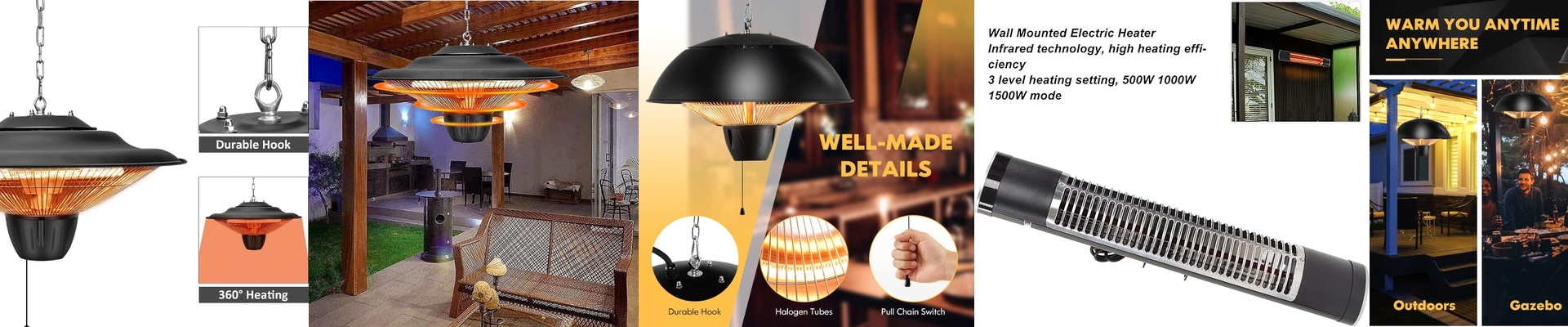
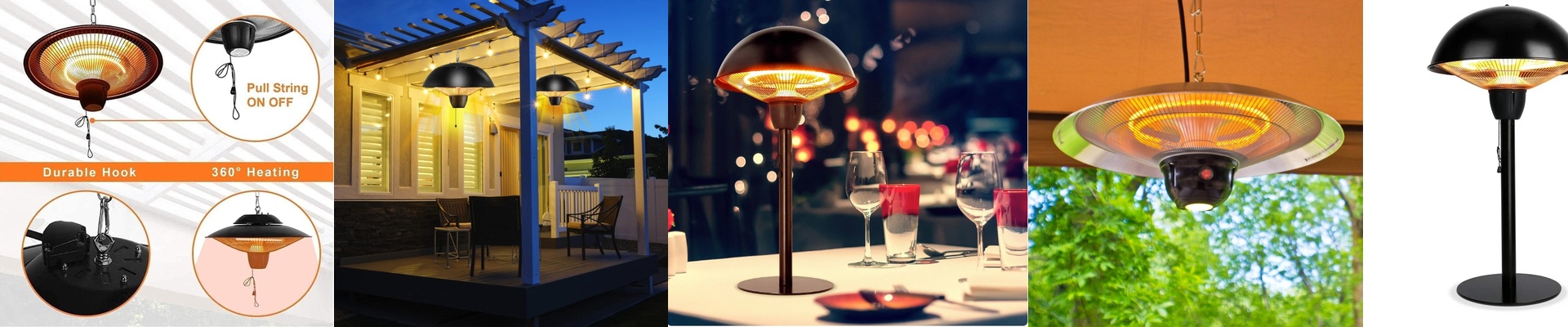
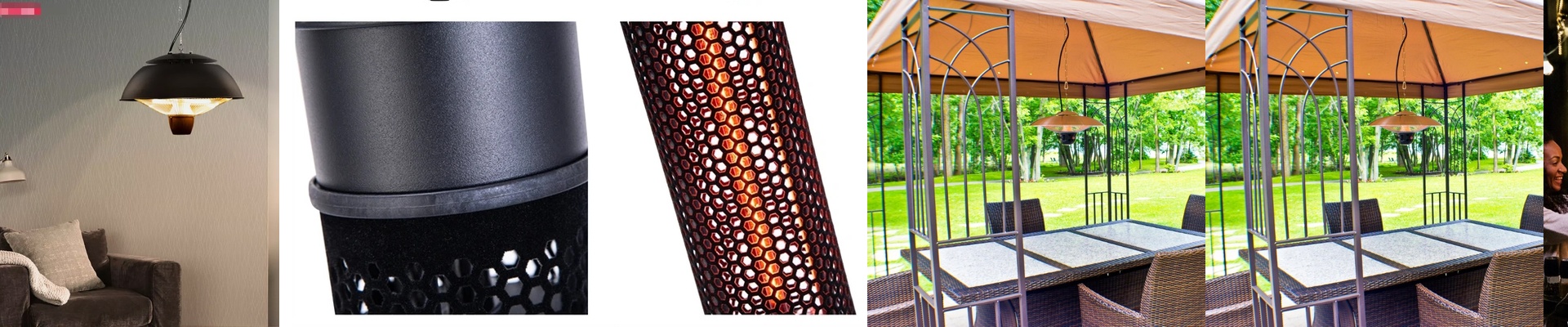
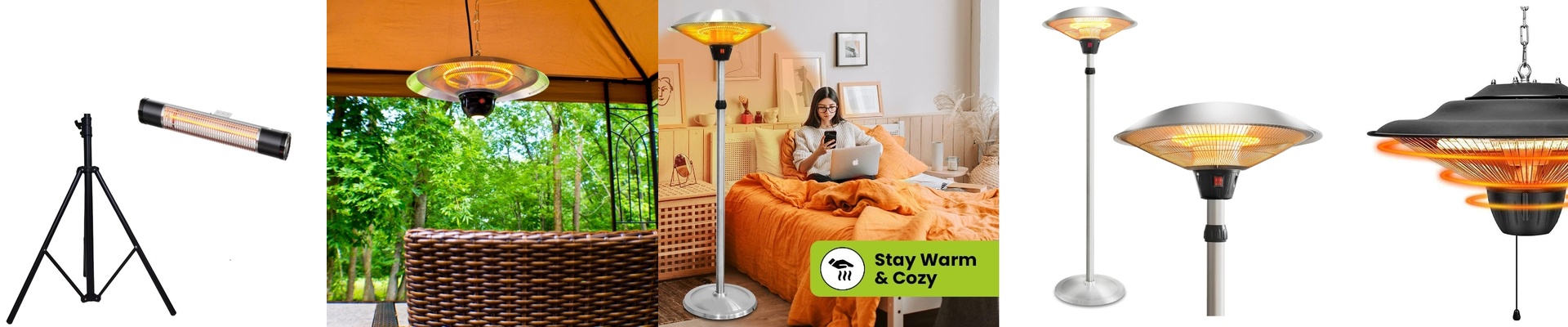
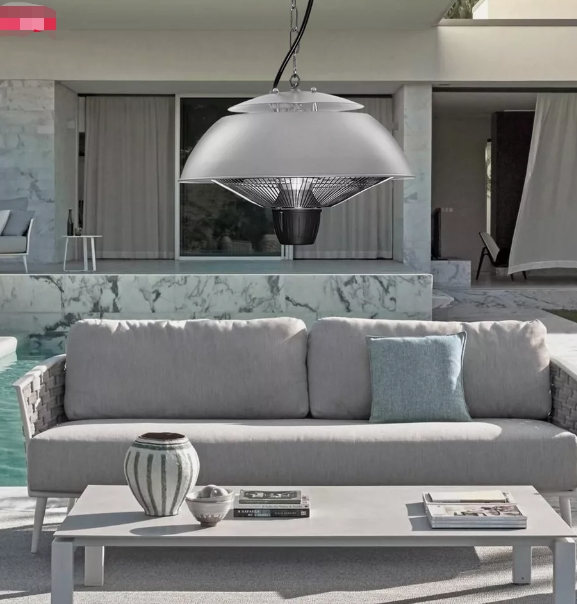
If you’ve ever tried to heat a changing room or an outdoor walkway, you know the struggle. You turn on a heater, but the warm air just floats up to the ceiling, leaving everyone shivering on the ground. That’s why we stopped relying on air and started using shortwave infrared. Instead of trying to warm up the whole room, this tech goes straight for the person. It’s like stepping into a beam of sunlight on a crisp autumn day. You don’t have to wait for the room to “warm up.” You feel it the second you walk in. Keeping the water out Water and electricity are a nightmare pairing, especially in steamy locker rooms or salty seaside patios. To stop these units from frying or rusting away, we build them to an IP66 standard. In plain English? They’re dust-tight and can handle a high-pressure blast of water without blinking. We use corrosion-resistant alloys for the frame and seal every single electrical junction. It means you don’t have to worry about the humidity eating your investment. The trick to getting the height right To get that cozy, high-end feel, we pack a lot of power into a small box. But there’s a catch with the installation. You have to nail the mounting height. If you hang them too low, the spot directly underneath gets way too hot. Too high, and you lose that instant “hit” of warmth that makes shortwave heaters so great. It’s all about finding that sweet spot. A quick heads-up on power We’ve made these easy to swap out and install, but don’t forget about your electrical panel. These heaters pull a lot of juice the moment they kick in to give you that instant heat. Just make sure your circuit breaker can handle the surge. It’s a small detail, but it’s the difference between a warm room and a tripped breaker.