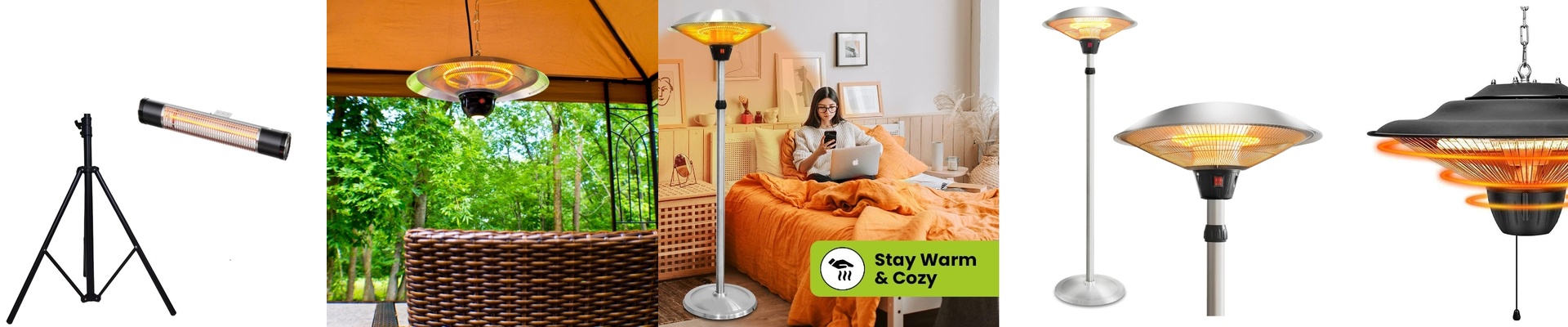
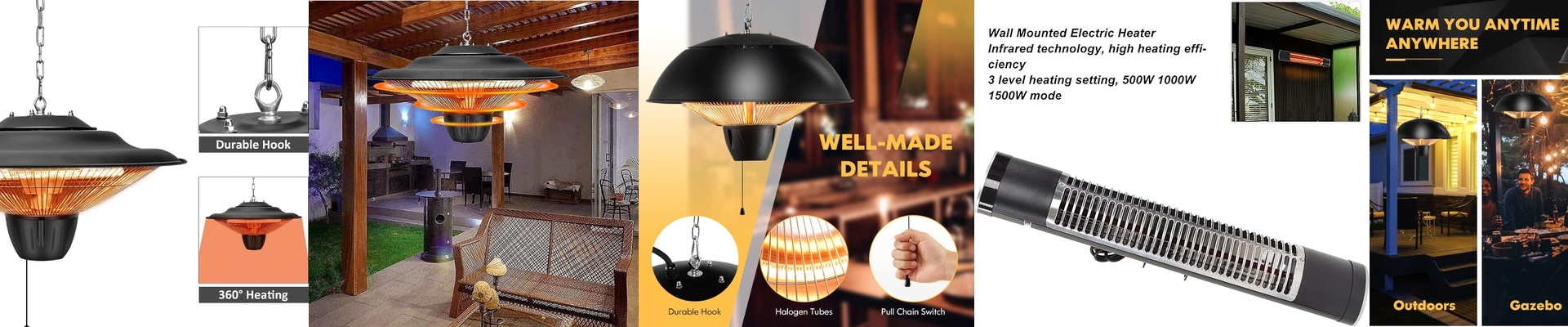
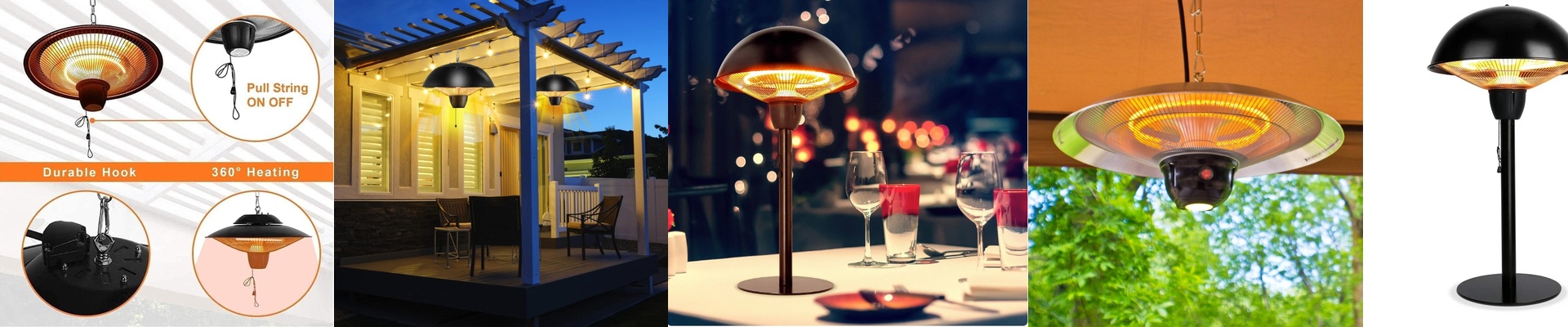

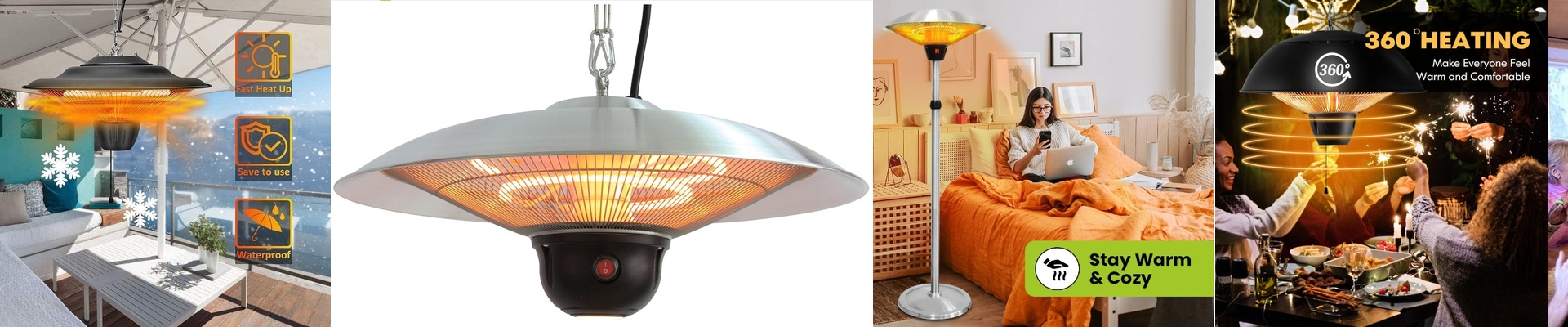
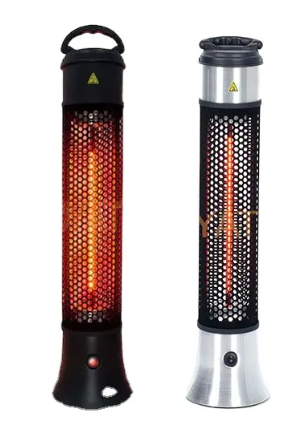
Stop Designing Heaters That Are Impossible to Fix
Most people obsessed with IPX5 ratings only care about one thing: the seal. They want to make sure not a single drop of water gets inside. But we’ve spent a lot of time thinking about what happens five years down the road when a heating element inevitably burns out. When you’re working in a wash-down environment, you’re usually stuck with a nasty trade-off. You either get a unit that’s perfectly waterproof but impossible to open, or something easy to fix that leaks the moment you hit it with a hose. The problem with “permanent” waterproofing Usually, companies achieve that waterproof seal by using permanent potting or heavy-duty adhesives. It works great—until it doesn’t. Once a part fails, you can’t just “open” the unit. You’re basically fighting through glue and resin, which turns a simple repair into a nightmare that kills your uptime. We did things differently. We use compression seals. It keeps the water out of the electrical terminals, but it doesn’t lock everything in a tomb. You get the protection you need without the headache. Swap it and get back to work We designed these infrared modules so you don’t have to tear your entire machine apart just to replace one tube. Think of them as slide-out cassettes. If a lamp dies after five years of hard use, you aren’t spending your afternoon rewiring a chassis. You just pull the module out, pop in a new element, and slide it back in. It’s that simple. It turns a repair that used to take hours into something that takes a few minutes. And since the seal is built right into the module housing—not the wiring—you don’t have to stress about ruining the waterproofing while you’re swapping parts. The honest trade-offs Now, nothing is perfect. Because we went with a modular setup, the units have a slightly larger footprint than those hard-wired, potted versions. You lose a little bit of compactness, but in exchange, you get a machine you can actually maintain. One more thing: these are high-output heaters. They get hot. If your ambient temperatures are climbing over 120°C, make sure you’re using Viton or high-temp silicone seals. Otherwise, that heat will eat your gaskets for breakfast over time.