


Why Your Bathroom Heater Keeps Dying (And How to Fix It)
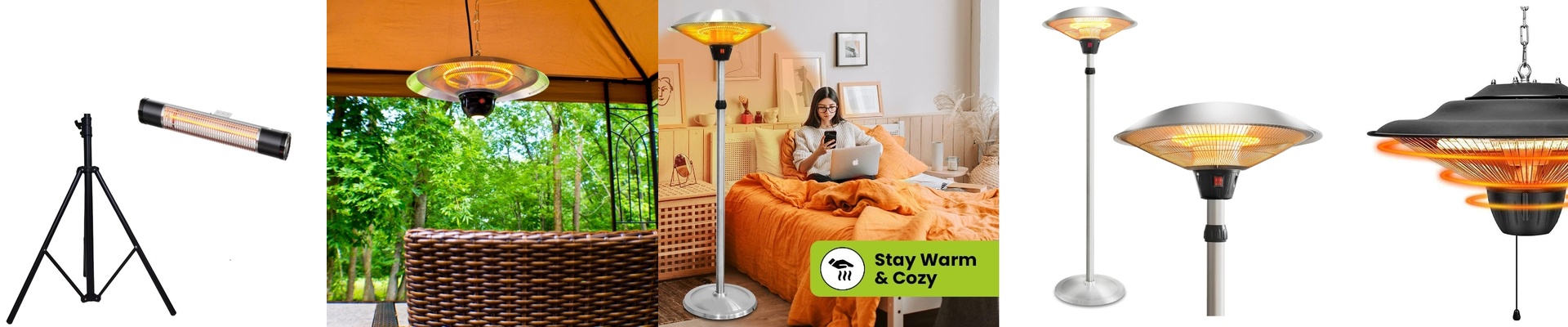
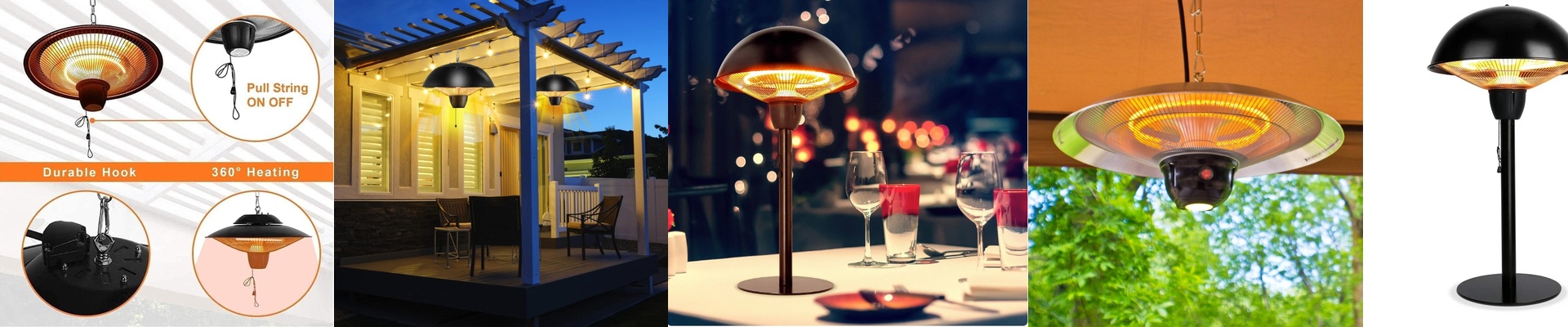
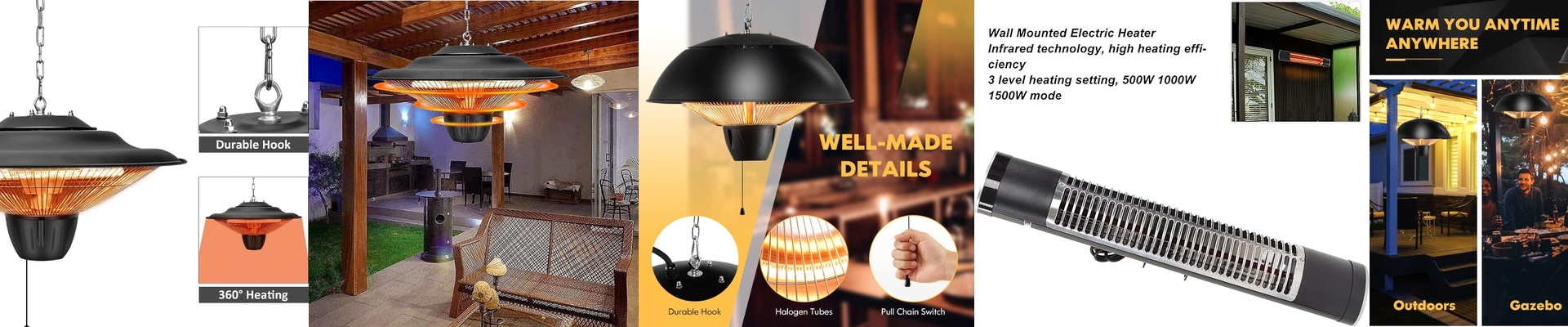
Let’s be honest: those old-school halogen light heaters in bathrooms are kind of a joke. They look like oversized lightbulbs and they usually don’t last. Why? Because bathrooms are brutal. Between the steam and the splashes, most of those units just aren’t built for the humidity. That’s why more people are switching to infrared heaters with a high IP rating. Instead of a fragile bulb that can pop at any second, these use sealed heating elements. They’re built to take a beating from the steam without giving up. The “Pop” Problem Ever had a heater just quit on you? Usually, it’s because moisture leaked into the housing. It eats away at the terminals or shorts out the circuit. It’s a mess. When you go for something with an IPX4 rating or higher, you’re basically sealing the guts of the machine away from the damp air. No leaks, no corrosion, and—most importantly—no scary “pop” when condensation hits a live wire. Instant Warmth, No Waiting Here is the cool part about infrared. Those old lamps try to heat up the air around you, which takes forever. Infrared is different. It sends out waves that hit your skin directly. You feel the warmth the second you flip the switch. It’s like stepping into a patch of sunlight on a cold day. Plus, the elements have special coatings so you don’t get those annoying “hot spots”—the heat just spreads evenly across the shower area. A Few Things to Watch Out For If you’re installing one of these, don’t just plug it into any old outlet and hope for the best. These things pull a lot of power. You’ll want a dedicated circuit so you don’t trip your breaker every time you want a warm shower. And be smart about the size. A 1500W unit is plenty for a small stall. But if you’ve got a massive master bath, one heater won’t cut it. You’ll end up with cold corners, which defeats the whole purpose. You might need a couple of units to get it right. One last tip: don’t let your installer slack on the wall junction. If they don’t use silicone gaskets to seal the gap, that fancy waterproof rating doesn’t mean a thing. Seal it tight, and you’re good to go.