


Stop Wasting Watts in Your Wafer Heaters
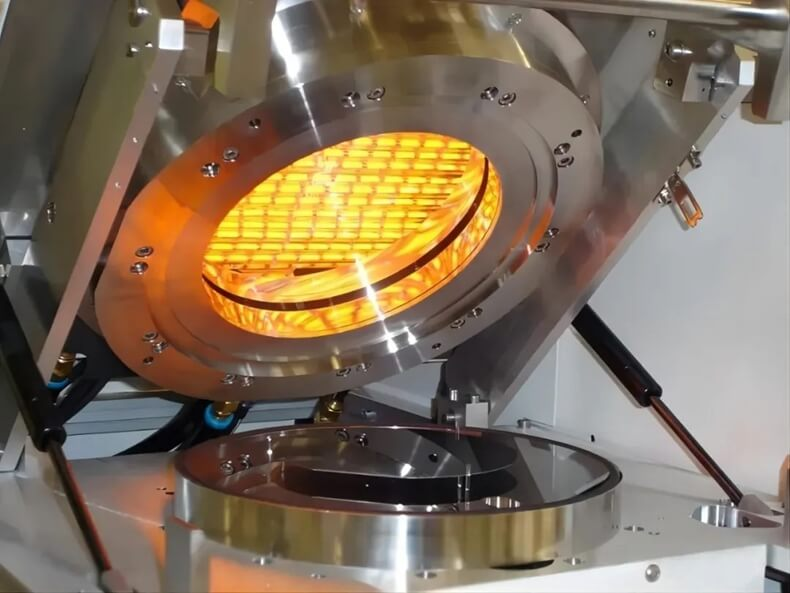
In semiconductor work, wasting power isn’t just expensive—it’s a sign of a bad design. When you’re heating wafer surfaces, you aren’t just looking for “more heat.” You need that energy going exactly where it belongs. That’s why we use gold-coated reflectors. It ensures every single watt coming off the heating element actually hits the target.
Why Gold?
Standard reflectors are messy. They scatter infrared energy all over the place. Gold changes that. It has a massive reflectivity coefficient across the infrared spectrum, which is a fancy way of saying it doesn’t soak up the heat. Instead, it bounces that radiative energy right back onto the wafer. You get a much tighter thermal footprint. The best part? You hit your target temperature way faster without having to redline your power supply.
The Wiring Headache
Then there’s the wiring. We use Teflon-insulated wiring because, frankly, nothing else holds up. These heaters live in brutal heat zones. If you used PVC or silicone, they’d melt or start off-gassing, and the last thing you want is contamination in your cleanroom. Teflon stays chemically inert and handles the heat. It keeps your electrical connections rock solid, even when the reflector is pushed to the limit.
The Trade-offs
Now, there’s a catch. When you concentrate heat this intensely, you create a steep thermal gradient. If your wafer is off-center—even by a few millimeters—you’re going to get hot spots. It’s a precision game. You’ll need to be obsessive about your lamp positioning. And make sure your cooling fans are actually beefy enough to handle the heat buildup around the edges of the reflector. At the end of the day, we’re trying to get the surface temperature up while keeping the power draw down. It’s all about focusing the radiation. You don’t need more lamps; you just need to use the ones you have more wisely.