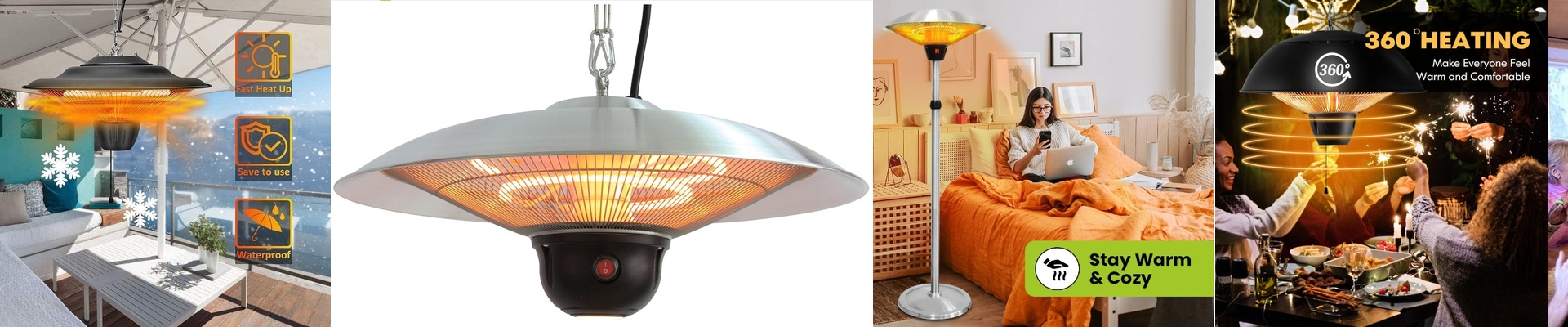
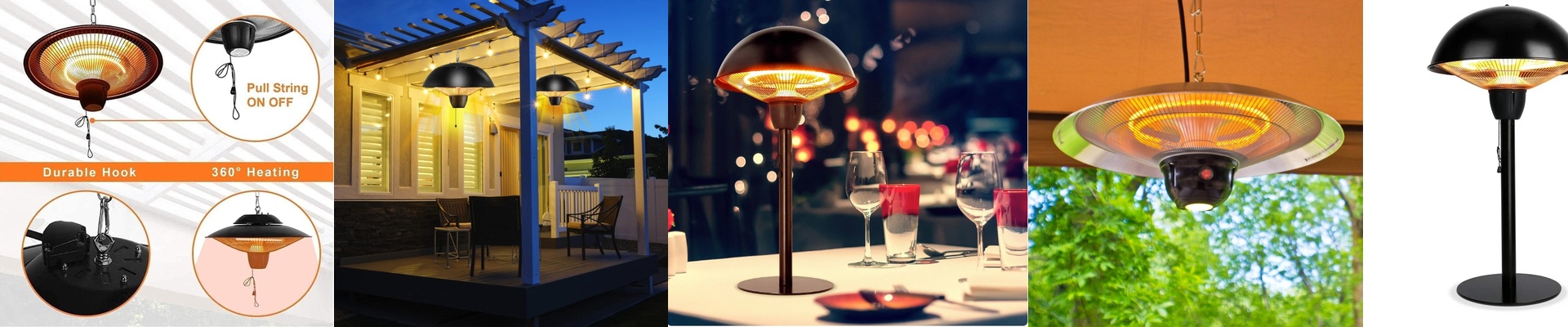
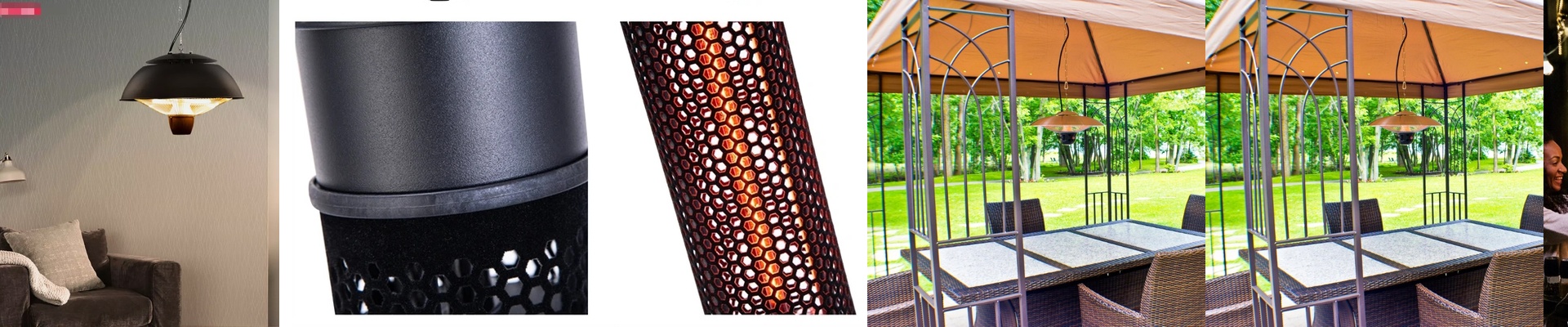
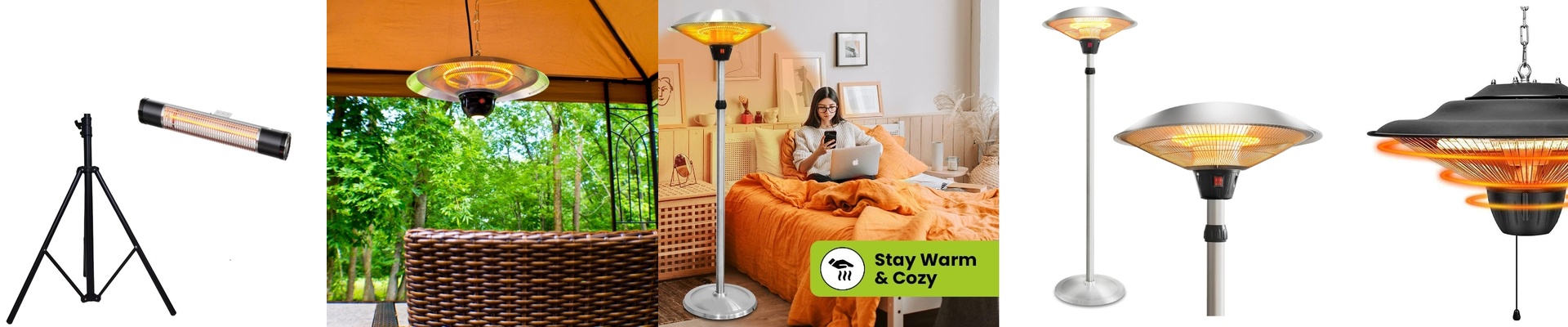
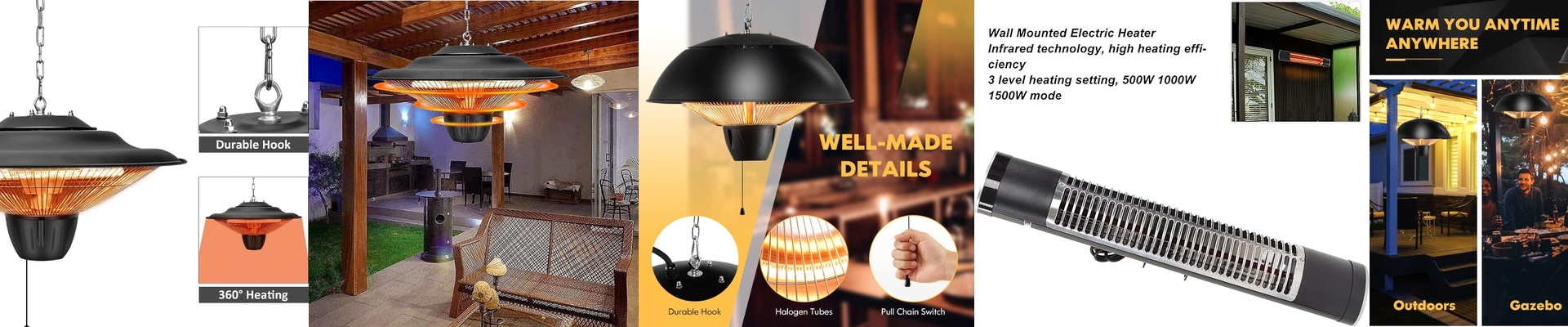
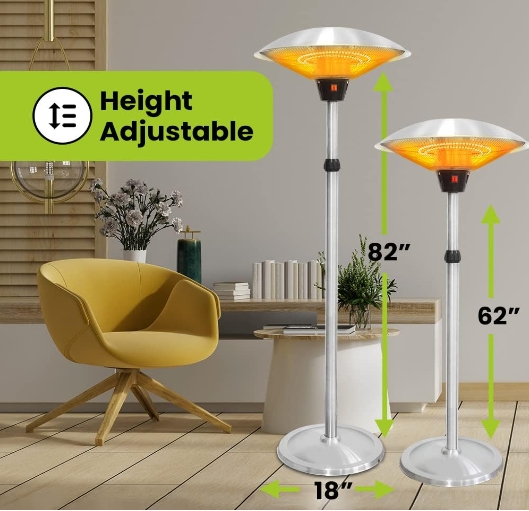
You hit the thermostat, walk away, and expect the warmth to follow. In a smart home, that little wait can quietly burn energy and patience. Traditional heaters hang onto heat long after the room feels right, so precise control is a struggle. You end up with overshoot, wasted kilowatt-hours, and a system that fights its own logic. What matters under the hood Infrared heaters built around low-thermal-inertia elements—thin carbon fiber or quartz emitters—react in seconds, not minutes. They hit full output almost instantly, then cool down fast when the thermostat says “enough.” That behavior pairs cleanly with smart controls that pulse power in short bursts, keeping the space steady without wrestling a big chunk of thermal mass. You get radiant warmth that feels immediate, and the electrical draw stays honest. Here’s why that responsiveness matters in a smart-home loop: efficiency lives on timing. When sensors catch a dip in room temperature, a low-inertia infrared unit fires up and delivers heat straight to people and surfaces. When things stabilize, it shuts off with minimal residual warmth, so the control algorithm doesn’t overcorrect. The practical result is fewer on/off cycles, more stable comfort, and measurable energy savings—especially in rooms with big glass areas or drafts. What you need to know on the job Low-inertia infrared shines in open living spaces and covered outdoor rooms, but remember: it warms people and objects directly, not the air. Match the heater’s output to the room’s square footage, and pair it with a solid thermostat or smart controller. Installation is straightforward—hardwired or plug-in, depending on the model—but placement matters. Keep clear sightlines to seating areas, and keep the unit out of direct moisture. In very cold climates, plan on supplemental air-side warmth for the coldest nights.