


A cold garage does more than make you uncomfortable. It drags the whole job down. Hands go stiff over tools, glue and finishes take forever to set, and the day just feels longer than it should. When the space stays cold, you lose time, focus, and momentum.
What matters, technically
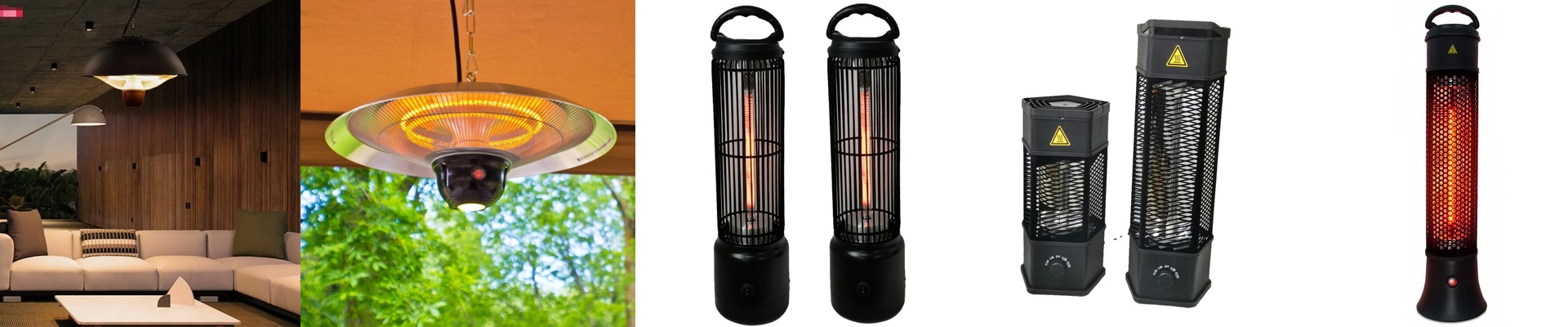
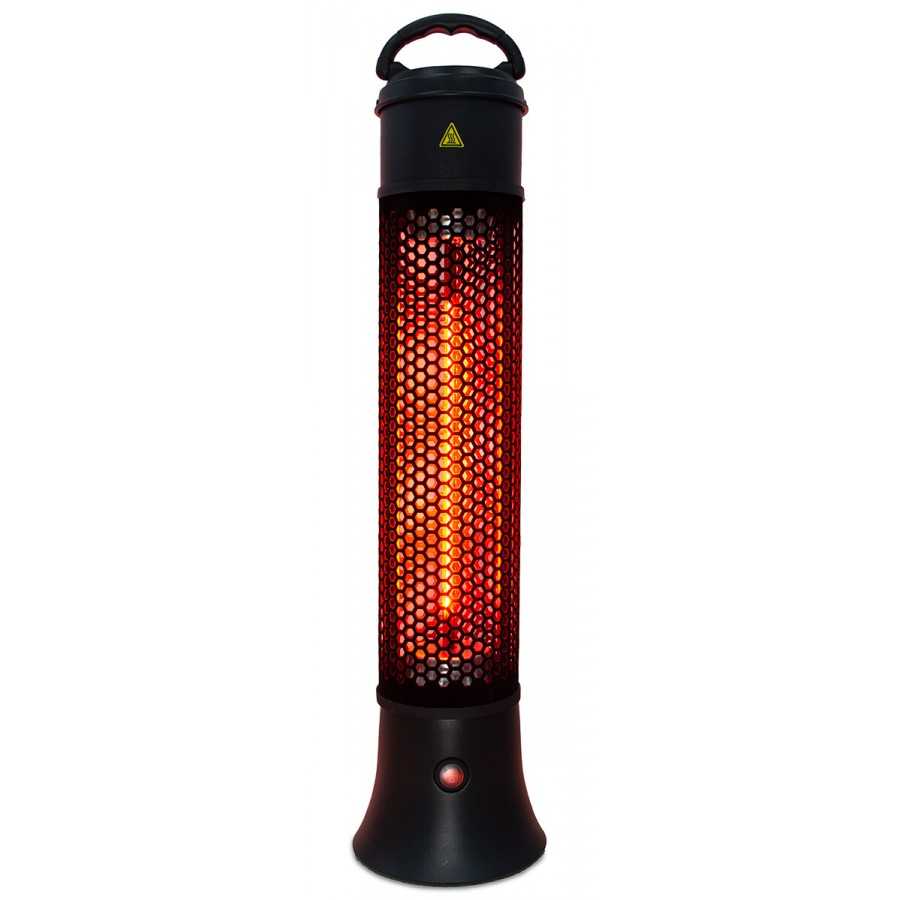
Infrared garage heaters don’t chase air temperature—they warm people and objects directly. That radiant heat shows up fast, so you feel it within seconds of flipping the switch. Many units run on quartz tubes or carbon fiber elements, giving steady output with minimal air movement. Less air movement means less dust and fumes getting stirred up around the work. You’ll commonly see ratings around 1500–5000W, and for higher power and cleaner wiring, 240V hardwired options are the way to go. Built-in thermostats and tip-over protection add day-to-day reliability, and a solid housing with the right IP rating helps the heater stand up to shop dust and damp corners.
Why it fits the garage
In a workshop, the payoff is consistency. Warm hands mean better grip and more control. Warm surfaces mean adhesives cure the way they should, and metal is less punishing to touch. Because infrared targets the areas you actually occupy, you get comfort without trying to heat the entire volume of air. That focus can keep operating costs down compared to pushing hot air around, and it turns short sessions into comfortable work instead of a test of endurance. For commercial partners, this isn’t just about moving a heater—it’s about building a thermal plan that supports workflow, quality, and uptime.
What you need to know
Infrared garage heaters perform best when you clear the line of sight and aim them where you stand or work. They deliver directional warmth, so coverage comes down to line of sight and distance. If you want comfort across the whole shop, it’s often smarter to pair units than to oversize a single one. And here’s the practical bit: hardwired 240V models usually need a dedicated circuit and professional installation. Plan the electrical run early so the heater ends up where you need it—not where the outlet happens to be.