Stop Letting Your Patio Go Cold in the Winter
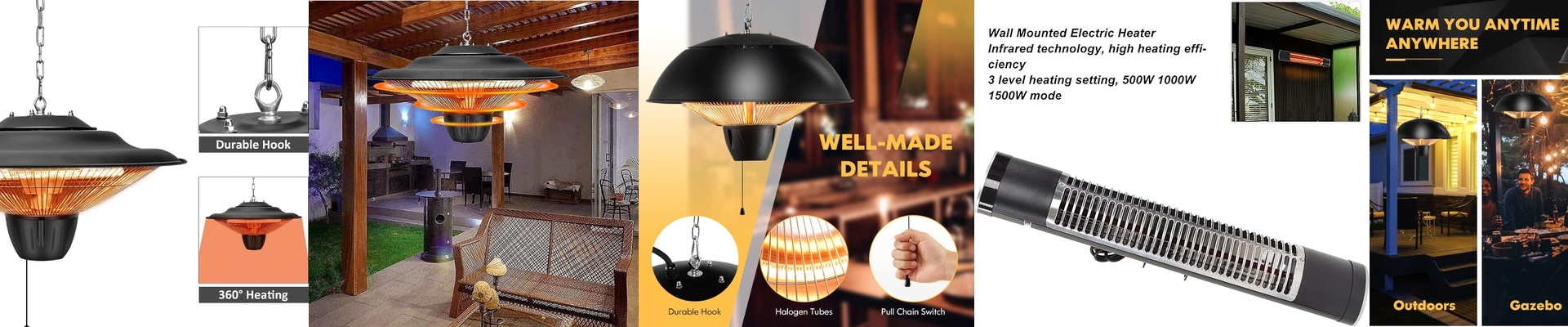
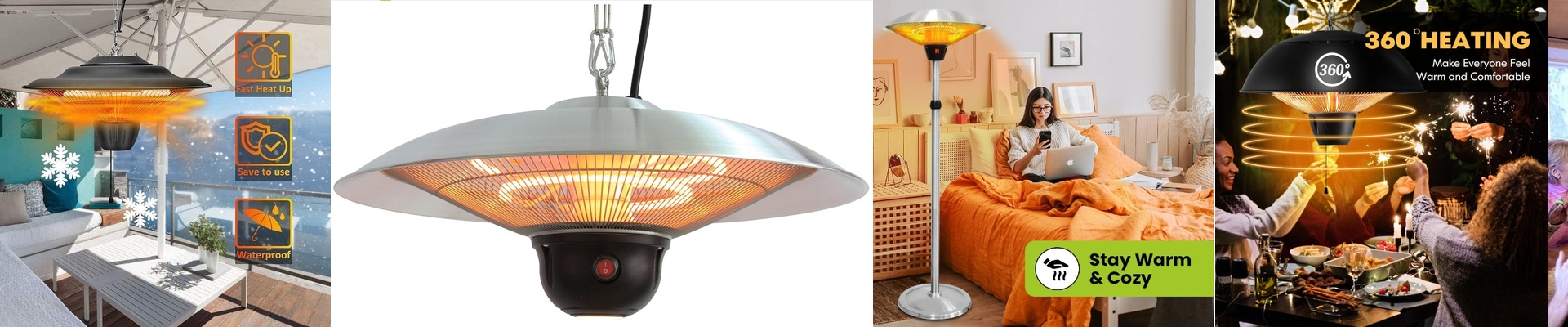
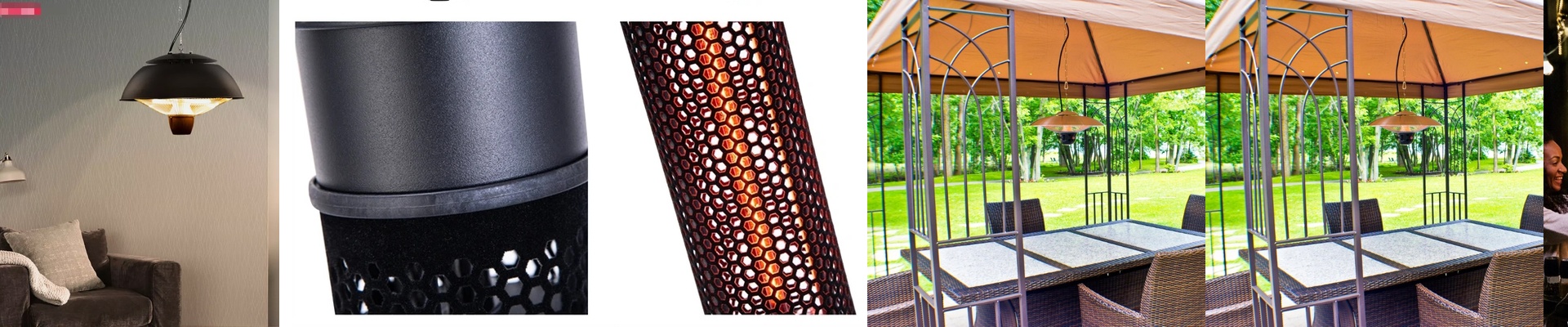
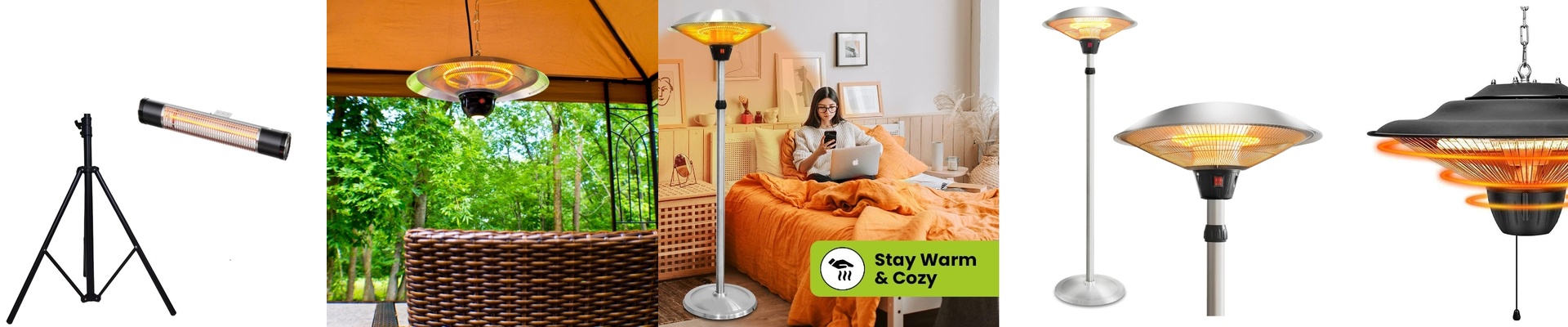
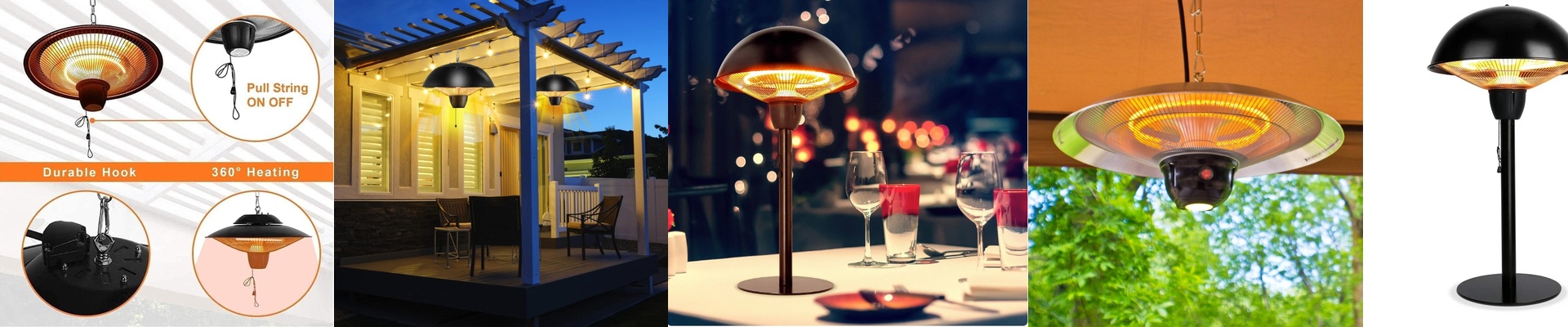
Most outdoor dining areas basically die the second the temperature drops. Why? Because those standard space heaters are useless against a breeze—they try to warm the air, and the wind just carries that warmth away. We do things differently. We use shortwave infrared. Think of it like the sun. Instead of fighting the wind to heat the air, these emitters send heat straight to your customers’ skin and clothes. It doesn’t matter if it’s freezing outside; your guests feel warm the second they sit down. The secret is all about where the heat goes. To actually make a patio usable in January, you need a lot of power in a small space. We set these up to create “warm zones” right around each table. Here is why that matters for your bottom line: shivering people leave. The moment the check hits the table, they’re out the door because they’re freezing. But when they’re cozy? They stay. They order that extra round of drinks. They actually look at the dessert menu and order coffee. It’s a simple shift that keeps your tables turning and your guests happy. The gritty details on hardware Look, these things live outside. They have to take a beating. We use industrial-grade wiring and housings that can handle rain, sleet, and snow without shorting out. But a heads-up on the electrics: you can’t just plug a handful of 2000W heaters into a power strip and hope for the best. You’ll trip your breaker in five minutes. You’re going to need a dedicated circuit and a panel that can actually handle the load. And please, don’t cheap out on the mounting brackets. These emitters get seriously hot—hot enough to warp flimsy supports if they aren’t bolted down right. Is it worth the money? The math is pretty easy. If you have 10 tables and you can bump your winter occupancy from a ghost town to a full house, these heaters pay for themselves in a few weeks. You aren’t just buying some fancy lamps. You’re taking back square footage that would otherwise be dead space for four months of the year.