Stop Fighting Your Bathroom Heater
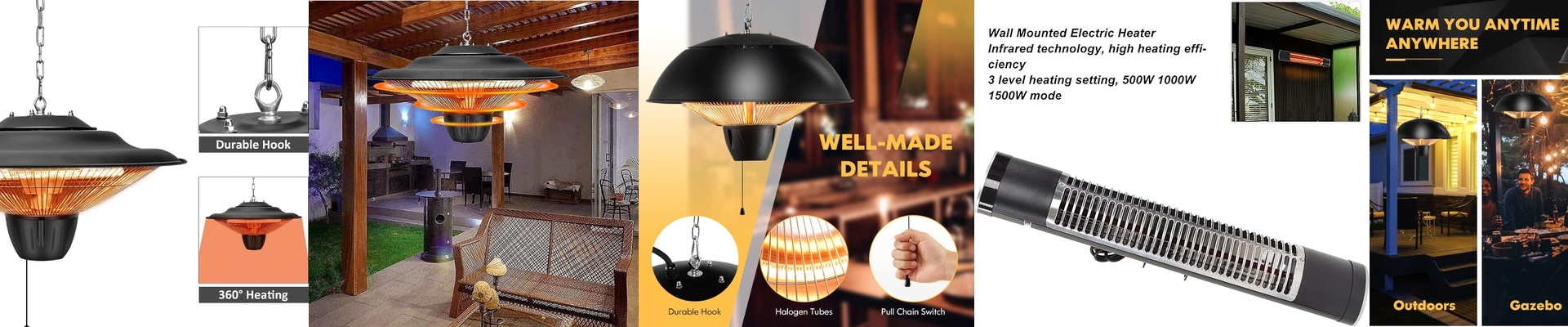
We’ve all been there. You step out of a hot shower into a freezing bathroom, and that old-school lamp heater just isn’t cutting it. Or worse, it flickers and dies because the steam finally got to the wiring. Those things just aren’t built for the actual humidity of a bathroom. That’s why we’re moving away from them and switching to high-IP infrared wall units. They actually handle the dampness without throwing a tantrum. Why it actually works Most heaters try to warm up the air, but in a steamy room, that takes forever. Infrared is different. It doesn’t care if the room is freezing or dripping with condensation. It sends heat in a straight line, hitting you instantly. It feels like stepping into a patch of sunlight on a winter day. To make sure they don’t short out, we use units with high “IP ratings.” In plain English? They’re sealed tight. Water jets and vapor stay out, and the electricity stays in. The nitty-gritty stuff Under the hood, these use quartz glass tubes and aluminum reflectors. The reflectors act like a mirror for heat, pushing a concentrated beam forward. This means the unit can be smaller and sleeker on your wall while still packing a punch. One thing we’re obsessive about is the wiring. Moisture and salt love to eat through cheap terminals. We use reinforced connections to stop that corrosion before it starts. Just a heads-up: these pull a decent amount of power when they first kick on, so make sure your breakers can handle the peak wattage. You don’t want your lights going dark just because you wanted to be warm. A few things to watch out for These things gethot. Really hot. Since the heat is so concentrated, you can’t just slap them anywhere. Keep them away from plastic trim or fancy wallpaper, or you might end up with some melted or warped spots. You also have to get the distance right. If you mount it too close, it doesn’t feel like a warm hug—it feels like a sting. A little bit of planning with the placement makes the difference between a cozy morning and a safety hazard.