Keeping Things Safe: IR Lamps in Chemical Wafer Cleaning
When you’re working with wafer tools in chemical cleaning, you’re basically dancing with volatile, flammable solvents. In an environment like that, a standard infrared lamp isn’t just a tool—it’s a risk. One tiny spark or a single hot spot on a terminal, and you’ve got a serious explosion on your hands. We deal with this by ditching open-air lamps entirely. Instead, we go with sealed encapsulation.
How the seal actually works
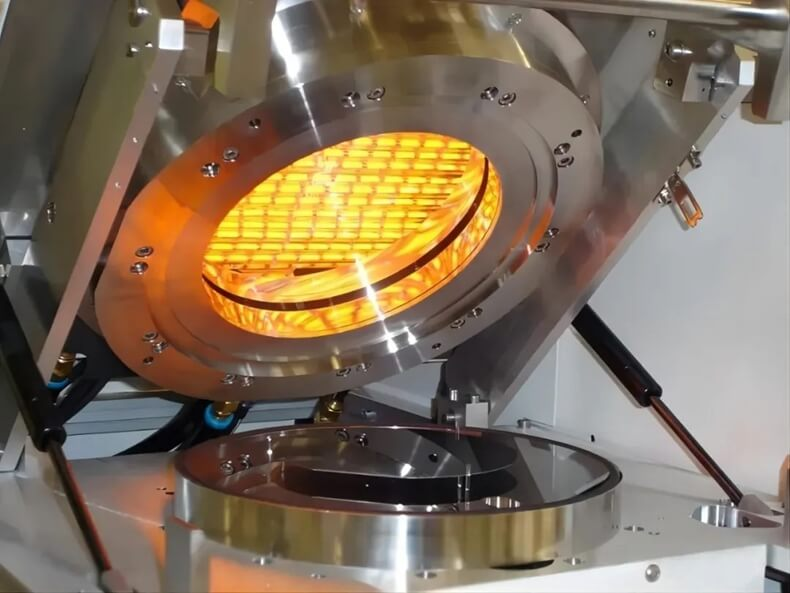
Here’s the setup: we tuck the IR heating elements inside high-purity quartz tubes. Then, we slide those into a chemically resistant, explosion-proof jacket. Think of it as a double-wall system. That secondary barrier keeps those nasty flammable vapors from ever touching the energized surface of the lamp. We use hermetic sealing on the end caps, so nothing—and I mean nothing—gets inside the chamber. But it’s not just about blocking gas. The electrical terminals are where things usually go wrong. We use reinforced, insulated connectors to stop arcing before it starts. If you’re wiring these into a tool filled with aggressive fumes, you can’t use cheap materials. We pick stuff that won’t crack or peel away when the acid vapors start eating at it over time.
The trade-off: Heat vs. Safety
Now, there’s a catch. Adding those layers of material between the filament and the wafer changes how the heat moves. You’re going to lose a bit of that direct radiant efficiency you get with a bare lamp. It’s not a dealbreaker, but you’ll notice it. You’ll probably need to tweak your PID tuning or bump up the power density to keep your ramp-up times where they need to be.
Keeping the tool running
The real win here is the stability. Usually, chemicals etch the quartz surface, which creates hotspots and kills the lamp way too early. This protective housing keeps the lamp clean. It means your lamps last longer and your tool stays online. Just a heads-up: make sure your cooling fans can handle the extra thermal mass of the enclosure. You don’t want the housing itself overheating because the fans are underpowered.