Getting the Gap Right: IR Heating for Wafers
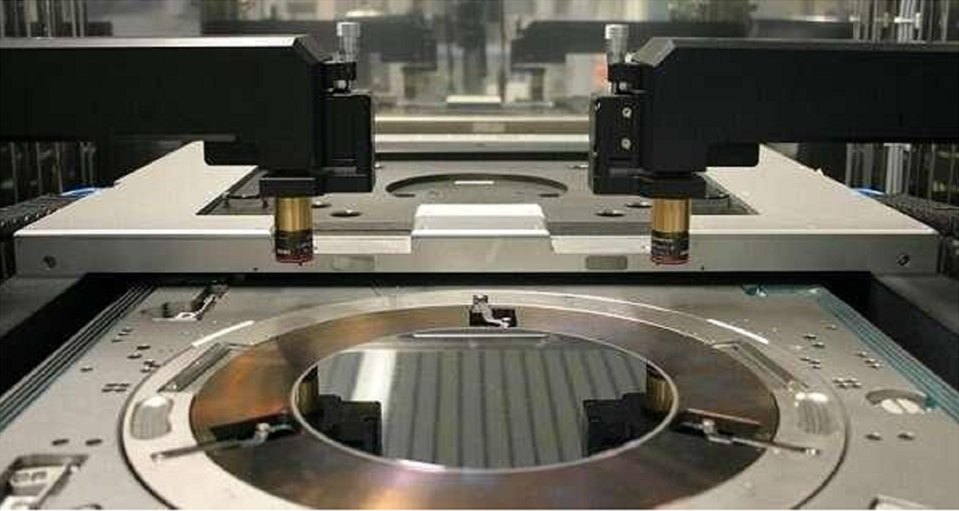
If you’re building a smart fab, you’ve probably already realized that old-school thermal mass heating just doesn’t cut it anymore. It’s too slow. That’s why we lean on high-intensity infrared (IR) systems—they let you ramp temperatures up and down fast, which is exactly what you need when you’re trying to keep a digital production line moving. But there’s a catch. The distance between your IR emitter and the wafer surface is everything. Get it wrong, and you’re looking at a ruined batch.
The Air Gap Headache
You can’t just slap a lamp in there and hope for the best. It’s a balancing act. If you mount the emitter too close, you’ll get these nasty “hot spots” right under the filament. Before you know it, the wafer is warping from localized overheating. But if you push it too far away? You’re just wasting energy by heating up the chamber walls. Your cycle times will tank. It all comes down to the viewing angle. A tight gap gives you intensity, but it shrinks the area where the heat is actually uniform. To get a flat thermal profile across a 300mm wafer, you have to set the distance so the radiation from multiple lamps actually overlaps. It’s about finding that sweet spot.
Smarter Data, Less Guesswork
In a modern fab, we’ve stopped guessing. We link the IR emitters to closed-loop PID controllers and use real-time pyrometry. Basically, the system watches the actual skin temperature of the wafer and tweaks the power on the fly. It means you aren’t just praying that your static distance settings are perfect. One thing to watch out for, though: high-power IR systems throw off a massive amount of heat into the tool frame. If you try to pack everything in tightly to shave a few seconds off your process, make sure your chiller can actually handle the load. If the ambient temperature creeps up, your sensors will drift, your calibration will go sideways, and you’ll be right back where you started.