Keeping Your Semiconductor Gear Cool (While Heating the Inside)
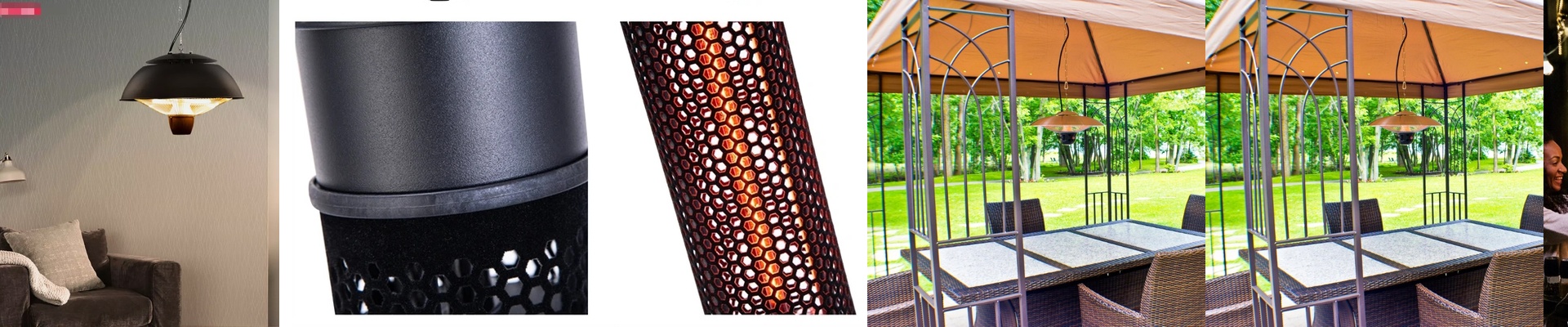
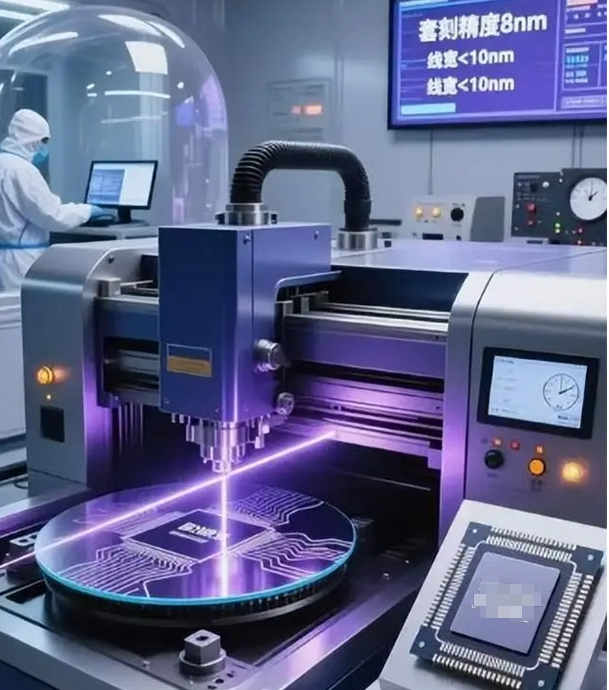
Here’s a common headache in semiconductor equipment: you need the inside to be hot, but you really don’t want the outside to feel like a stovetop. When you rely on convection or generic heating, the heat just… bleeds. It seeps into the chassis, turning the outer walls into a burn hazard for whoever is operating the machine. Not to mention, you’re wasting a ton of energy heating up metal parts that don’t need to be warm. The trick is using directional heat. We use short-wave infrared (IR) lamps to fix this. Think of it like a flashlight instead of a space heater. IR radiation travels in a straight line, so it only heats whatever it actually hits. By angling the lamps and using reflectors, we can aim the heat exactly at the wafer or component. The rest of the machine stays out of the line of fire. But you can’t just slap a lamp in there and call it a day. You have to get the wavelength and the focal point just right. We stick with short-wave IR because it cuts through the air better and penetrates deeper. The goal is to create a tight, concentrated heat zone. If your reflector is off by an inch or your lamp is too beefy for the space, you’ll still get “heat creep.” It’s a pain. That’s why we always suggest mapping out the thermal footprint of your chamber before you lock in where the lamps go. The payoff is worth it. First, your operators aren’t going to accidentally sear their hands on a scorching metal casing. Plus, your cleanroom’s HVAC system will thank you. You aren’t dumping useless waste heat into the room, which keeps the whole environment more stable. Now, there are a couple of trade-offs. IR lamps don’t last forever—they’ll burn out faster than basic resistive heaters. You’ll want a simple maintenance schedule to swap them out before they quit on you. And because short-wave IR is so intense, you’ve got to use proper shielding. You definitely don’t want anyone looking directly at the lamps during a maintenance check.