

Stop Letting Lamp Blowouts Kill Your Wafer Batches
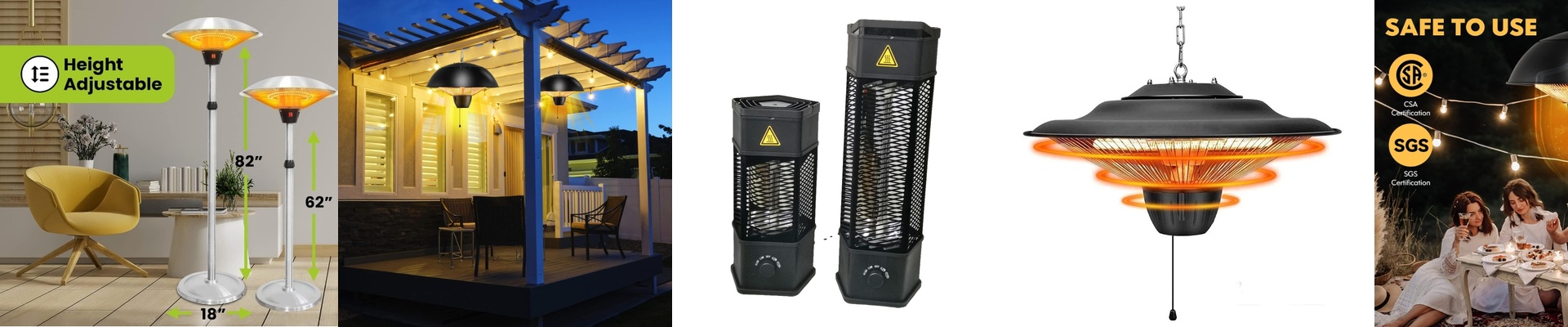
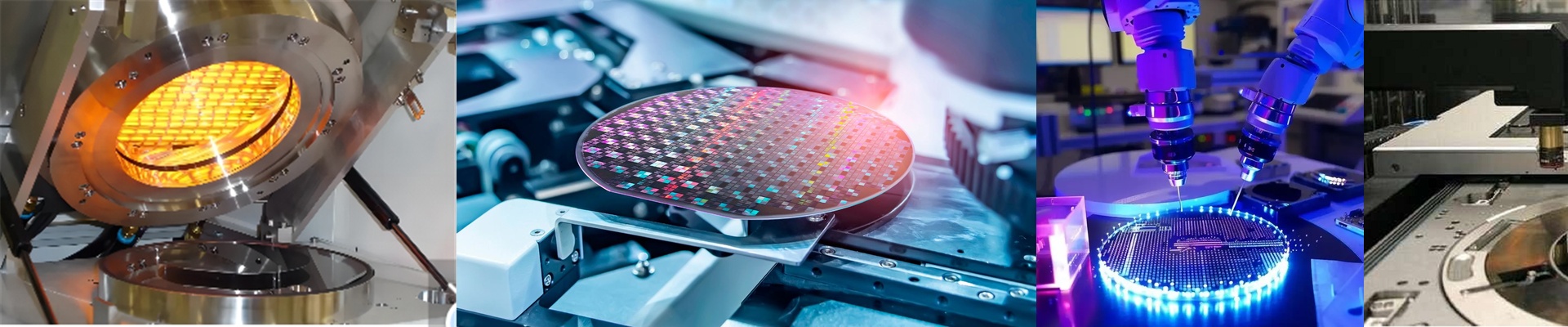
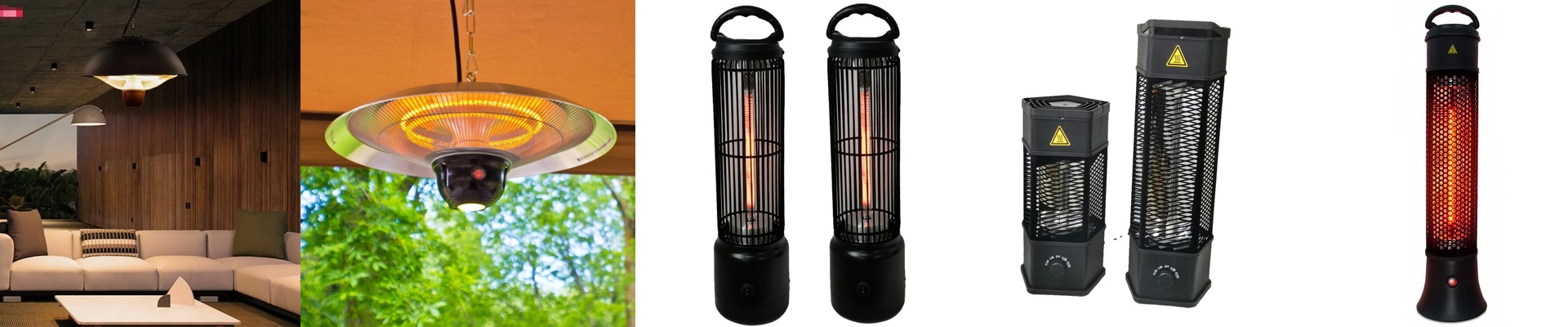
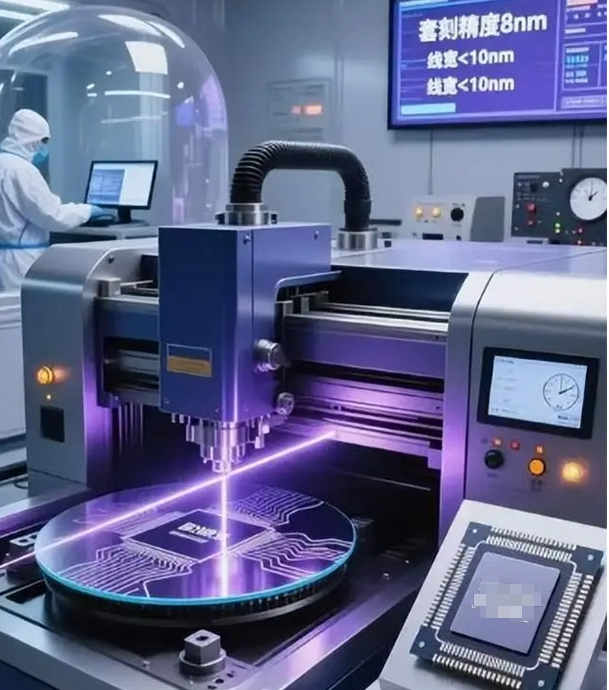
If you’ve ever had a lamp blow out during bio-sensor fabrication, you know the feeling. It’s not just a bit of downtime. It’s a nightmare. One crack in a quartz tube and suddenly you’ve got glass shards and halogen gas all over your substrate. Just like that, the whole batch is trash. We’ve seen it happen too many times, which is why we built our infrared lamps to actually protect your work. Keeping the mess inside We don’t trust a single layer of glass. Instead, we wrap the high-purity quartz heating element in a shatter-proof protective sleeve. Think of it as an insurance policy. If the inner lamp cracks from thermal shock or just gives up the ghost, the sleeve catches everything. No debris raining down on your wafers. No panic. Handling the heat Pushing production to the limit puts a ton of stress on quartz. To deal with that, we use fused silica. It handles rapid heating and cooling cycles without getting brittle or snapping. We also obsess over the filament centering. Why? Because “hot spots” are what kill lamps. By keeping the heat uniform across the bio-sensor surface, the lamp lasts longer and your results stay consistent. But a quick heads-up: check your cooling fans. Make sure they can actually handle the wattage you’re pulling. If your airflow dips, the housing will overheat, and no amount of high-quality quartz can save it from that. Making the swap easy Nobody wants to spend an hour fiddling with wires when a lamp needs replacing. We use standardized connectors so these are basically drop-in replacements. It’s fast. Really fast. And that means your chamber stays closed, which keeps the ambient dust out of your fabrication zone. We also kept the footprint small. You can pack more heating elements into a tight space without them bumping into each other. Just keep an eye on your power supply. Voltage spikes are the fastest way to pop a tube, so keep that power steady.