



Stop Letting Dust Ruin Your Bio-Sensors
If you’re running a Class 100 cleanroom, you already know the nightmare. You’ve got everything dialed in, but then outgassing or a few stray flakes of debris show up out of nowhere and kill your yield. Most standard heating elements are the culprits. They flake. They shed. They just aren’t clean enough for this kind of work. That’s why we switched to high-purity synthetic quartz for our IR lamps.
Why the material actually matters
We use fused silica with high OH- content. In plain English? It means the tube won’t fall apart when you’re hitting it with extreme heat cycles. Cheaper glass has this annoying “dusting” effect. In bio-sensor fab, a single micron of junk can wreck an entire batch. To stop that, we don’t just pick the right material—we chemically scrub the quartz to get rid of every last surface ion.
Keeping things cool (and still)
These lamps use short-wave IR radiation. The beauty of this is that you’re heating the substrate directly. You aren’t heating the air around it or the machine’s frame. Everything stays tight. This is a huge win for your HVAC system, and more importantly, it stops those annoying convection currents from kicking up dust from the floor.
Putting them to work
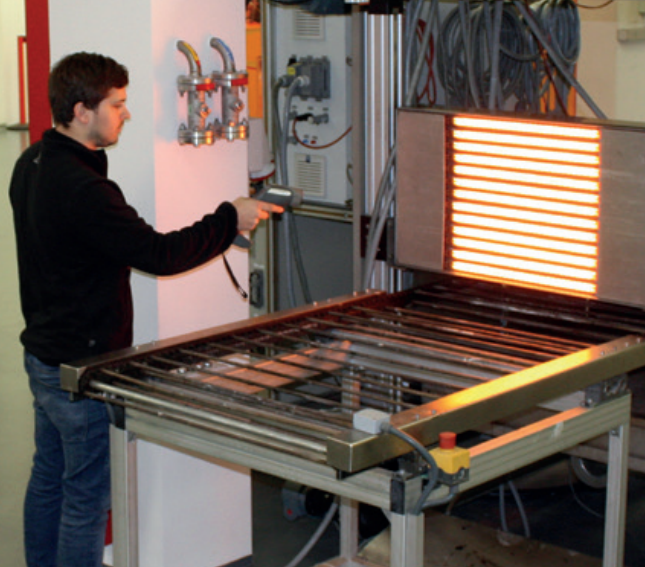
These are designed to be drop-in replacements for your automated lines. You can plug them into your standard PID controllers and get response times measured in milliseconds. It’s snappy. But a fair warning: high-purity quartz is more brittle than the borosilicate stuff you might be used to. If your fabrication arm is even slightly off, you’re going to crack the tube.**Don’t skip the soft-touch dampers on your mounting brackets.**You need that cushion to handle the mechanical stress.
The bottom line
Here is why this works better: ***No more outgassing.**There are no organic binders or coatings that turn into vapor when things get hot. ***Better energy flow.**More IR energy actually hits the sensor wafer instead of getting trapped. ***Tough against chemicals.**They won’t corrode, even with the harsh cleaning agents you’re using in the lab.