


Why Gold-Coated IR Lamps Actually Matter for Your Line
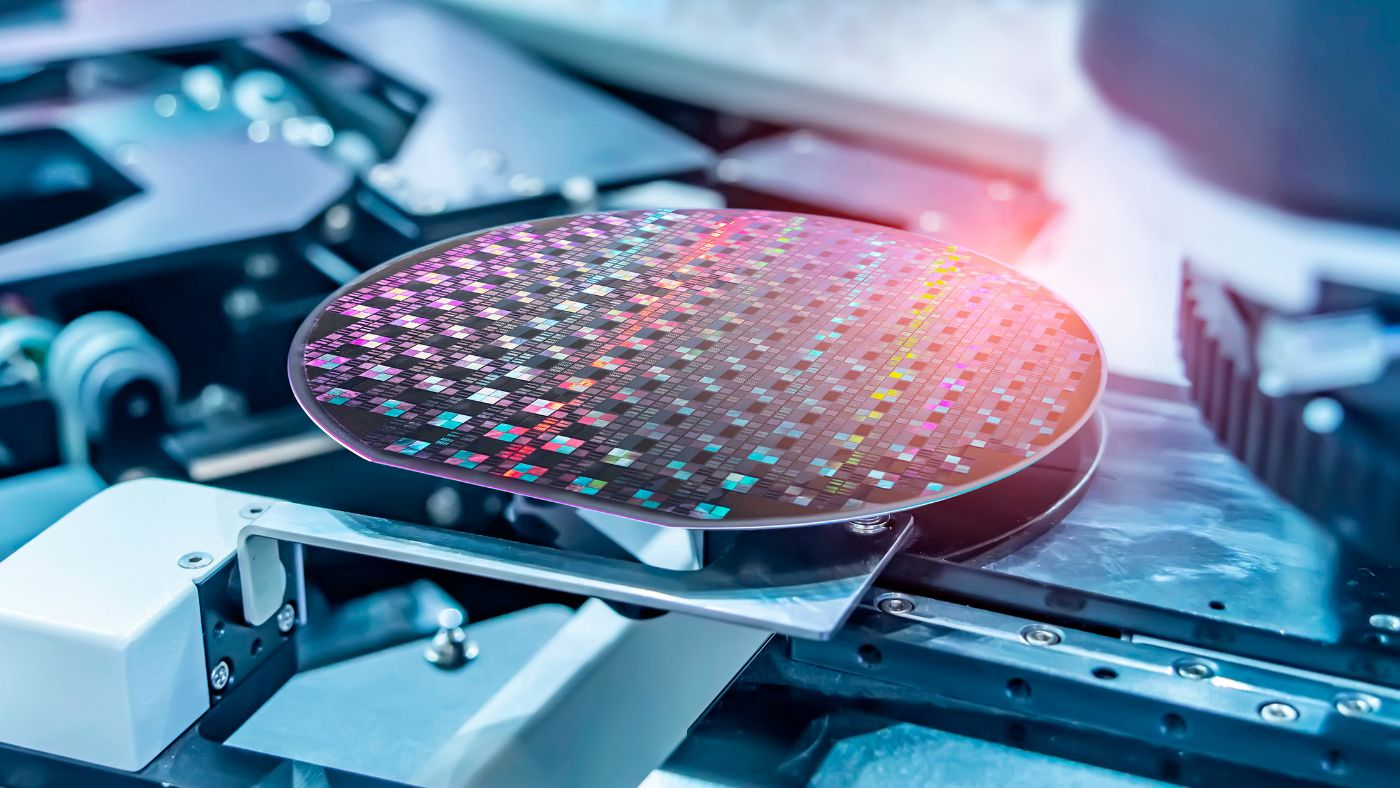
Let’s talk about the waiting game. If you’re using traditional forced air convection, you know the drill. You have to heat up the air, then the air heats the wafer. It’s slow. It’s a lag that eats into your day, and in semiconductor processing, that “time cost” adds up fast. You’re basically standing around waiting for the chamber to stop fluctuating and finally hit a steady state. Gold-coated infrared (IR) lamps just skip that part. They don’t mess around with the air. Instead, they send energy straight to the substrate via electromagnetic radiation. It’s direct. It’s fast. The secret is in the gold. Most quartz lamps just blast a broad spectrum of heat everywhere. But when we add a thin gold film to the quartz, it changes the game. The gold acts like a mirror for specific wavelengths, pushing the heat exactly where it needs to go. Instead of wasting kilowatts heating up the chamber walls or the machine frame, the energy stays concentrated on the target. You get a much tighter thermal profile, which means you aren’t paying to heat the room—just the wafer. Air is just… slow. Air is a terrible conductor. To make it work, you need these massive blowers and long ramp-up times just so you don’t shock the material. IR lamps are different. They’re “instant-on.” You can swing your temperatures in seconds, not minutes. This doesn’t just speed up the cycle time per wafer; it actually lets you shrink the footprint of your heating station. More room on the floor, less time spent waiting. Now, there’s a catch. When you concentrate heat this effectively, you have to be careful. If your lamp-to-substrate distance is off, you’ll end up with hot spots. You also can’t rely on sluggish sensors. You’ll need PID controllers that can keep up with the speed. If there’s a lag in your readings, you’ll overshoot your target temperature before you even realize it, and that’s how wafers get ruined. One last tip: use high-grade shielding on your wiring. You don’t want EM interference messing with your precision readings right when things are getting hot.