


Keeping Things Safe When Chemicals Get Volatile
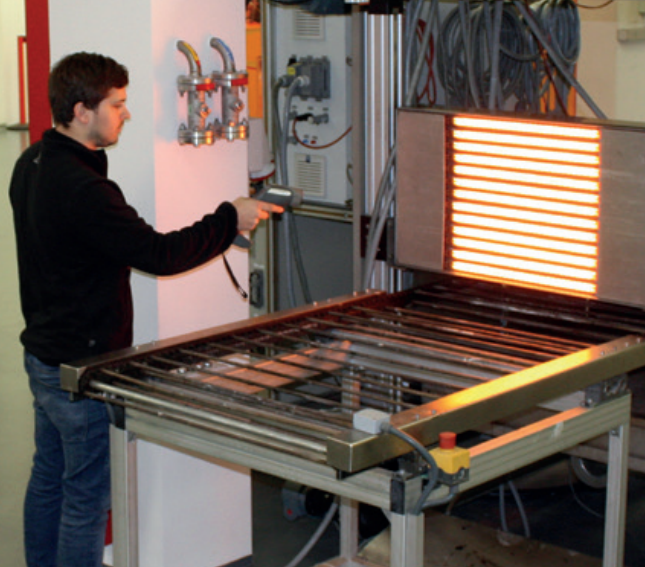
If you’re fabricating bio-sensors, you know the drill: you need precise thermal curing, but your workspace is usually right next to a bunch of flammable cleaning agents. That’s a nerve-wracking combination. In a setup like that, a standard infrared lamp isn’t just a tool—it’s a liability. That’s why we build our IR heating systems with specialized encapsulation. It’s all about keeping the heat where it belongs and stopping a spark from turning into a disaster.
How the Encapsulation Actually Works
We don’t just wrap the lamp in some plastic and call it a day. We use high-purity quartz tubes tucked inside explosion-proof housings. Think of it as a fortress. It creates a solid physical wall between the heating element and those chemical vapors floating around your shop. The whole thing is gas-tight. It keeps the VOCs out and traps the heat inside. Here is the part most people miss: the seals. We use specific sealants at the cable entry points because that’s usually where these systems fail. If you’re working in a high-vapor environment, a leaky seal is a nightmare. We spec ours to handle the exact solvents you’re using for bio-sensor cleaning so you don’t have to worry about leaks.
Balancing Heat and Safety
We stick with short-wave IR. Why? Because it makes sure the heat hits the substrate directly instead of just warming up the air around it. It keeps the ambient temperature well below the flash point of your chemicals. But you still have to be smart about the heat load. High-density IR lamps get incredibly hot. Even with the protection, the external housing can still warm up. You’ve got to get your ventilation or cooling jackets right. If your airflow is too weak, the housing temperature will start to creep up. Before you know it, you’re triggering every safety sensor in the building.
Making it Work on the Shop Floor
We build these for the real world, which means they need to be easy to swap out. The connectors snap in tight so they won’t vibrate loose while you’re working. When you’re wiring it up, the goal is simple: a tight, spark-free connection. It lets you keep your production moving fast without the constant fear of a flash fire in the cleaning bay.