

Cutting Carbon in Biosensor Fabrication with IR Heating
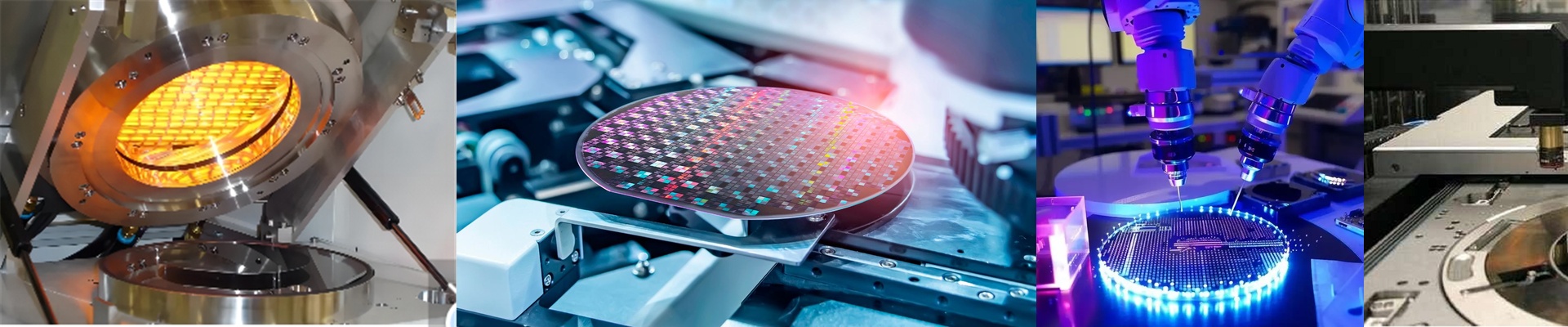
Making biosensors usually involves a lot of waiting around for things to dry and cure. For a long time, the go-to move was to throw everything into a massive convection oven. But let’s be honest: heating up a giant box of air just to warm up a tiny sensor is a waste of energy. That’s why we’ve switched to infrared (IR) lamps.
Why we stopped using ovens
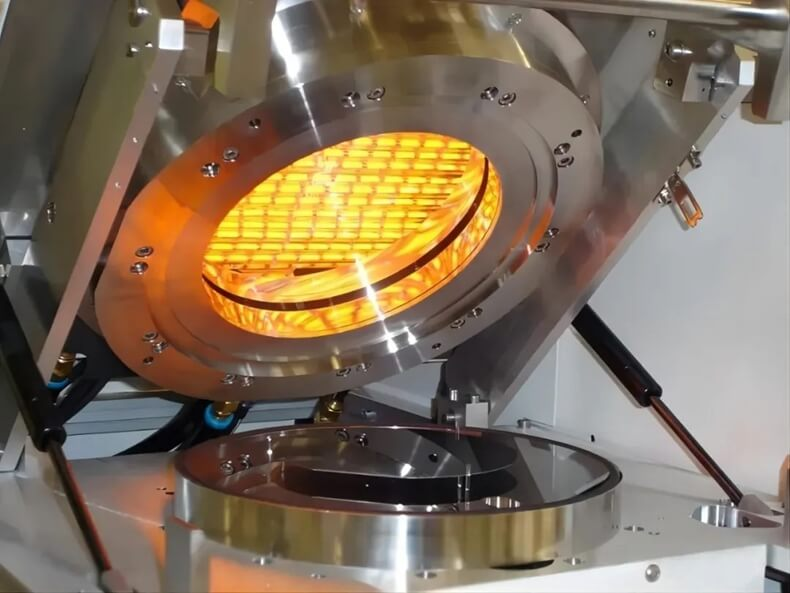
When you’re working with molecular layers, you need heat, but you need it exactly where the material is. IR lamps do this by beaming radiant energy straight onto the substrate. You aren’t wasting power heating the walls of a chamber or the air around the part. It’s just… efficient. Plus, the ramp-up time is nearly instant. You don’t have to let your production line sit idle for an hour while an oven slowly crawls up to temperature. It’s fast. Really fast. And that cuts down the energy you’re burning per wafer.
The gear that makes it work
We use short-wave quartz halogen emitters. The “short-wave” part is key because it digs deeper into the biosensor materials. You get a solid cure right through the core without accidentally scorching the surface. To make sure we aren’t wasting a single watt, we use gold-coated reflectors. They push all that heat toward the target and keep the rest of the cleanroom from turning into a sauna. One heads-up, though: keep an eye on your power density. If you’re running lamps at 2kW or more, your electrical panels will feel it. Make sure your wiring can actually handle the current, or you’ll run into voltage drops that mess with your results.
Making it fit and the real-world impact
The best part is how much space you save. Instead of these hulking, energy-hungry drying tunnels, you can just tuck these lamps right into your conveyor system. But here’s the catch: IR is directional. It’s like a flashlight; if you’re off by a few millimeters, you’ll end up with cold spots on your sensor. You can’t just “wing it” with the setup. You need a rock-solid mounting bracket to keep that focal point locked in. Once you’ve got it dialed in, the drop in your electricity bill is something you can actually see and measure.