


Stop Wasting Your Heat: Why Gold-Coated Reflectors Actually Matter
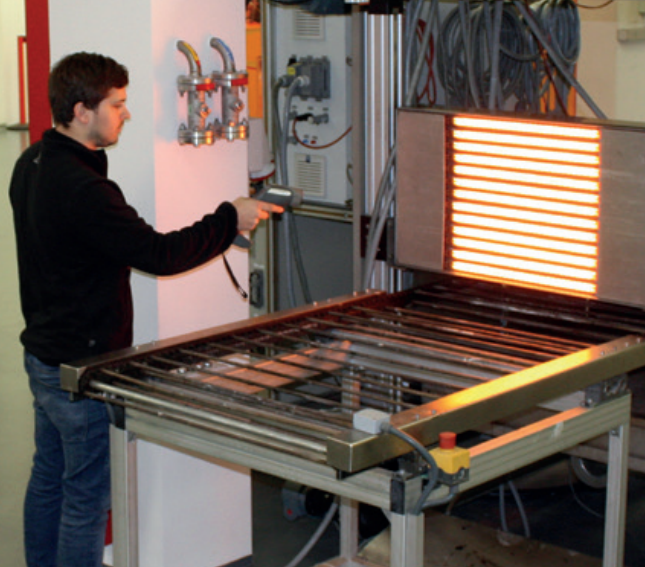
If you’re heating silicon wafers and your lamps aren’t reflected, you’re basically throwing money into the air. Think about it. A standard quartz tube shoots radiation in every single direction. In a typical setup, half of that energy just disappears into the machine chassis. It’s a waste. That’s why we use gold-coated reflectors. Instead of letting those photons wander off, we force them right back down toward the substrate. Why gold? It comes down to how it handles infrared. We put a thin layer of gold on the back of the quartz because it’s incredibly efficient at bouncing IR wavelengths back. Aluminum is an option, sure, but it tends to oxidize and lose its edge over time. Gold doesn’t do that. It stays stable even when things get blistering hot. You end up getting more heat on the wafer without having to crank up the wattage. It’s just smarter energy use. The catch (and how to handle it) Here’s the thing: when you concentrate that much energy, the wafer hits its target temperature way faster. But there’s a trade-off. All that focused flux puts a lot more stress on the lamp’s internal filament. If you’re pushing for maximum intensity, you’ve got to make sure your cooling—whether it’s fans or water jackets—is actually doing its job. If those electrodes get too hot, your lamp is going to burn out way sooner than it should. Making it work in the real world We build these bulbs to fit into tight spaces where every single millimeter counts. The goal is simple: a uniform thermal profile across the whole wafer. No “cold spots.” By recycling the radiation that would usually escape, you get a much tighter process window. Plus, your power bills go down. It’s a simple way to get more punch out of every watt.