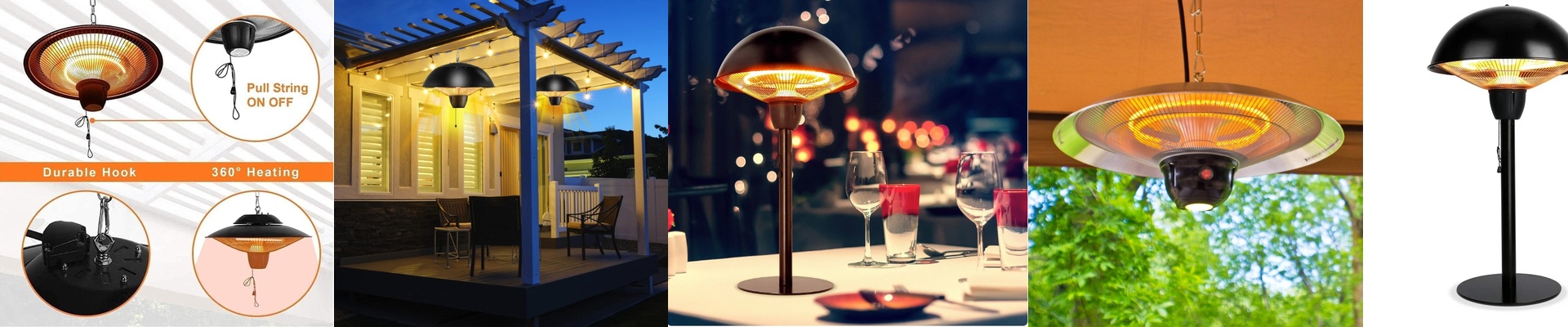
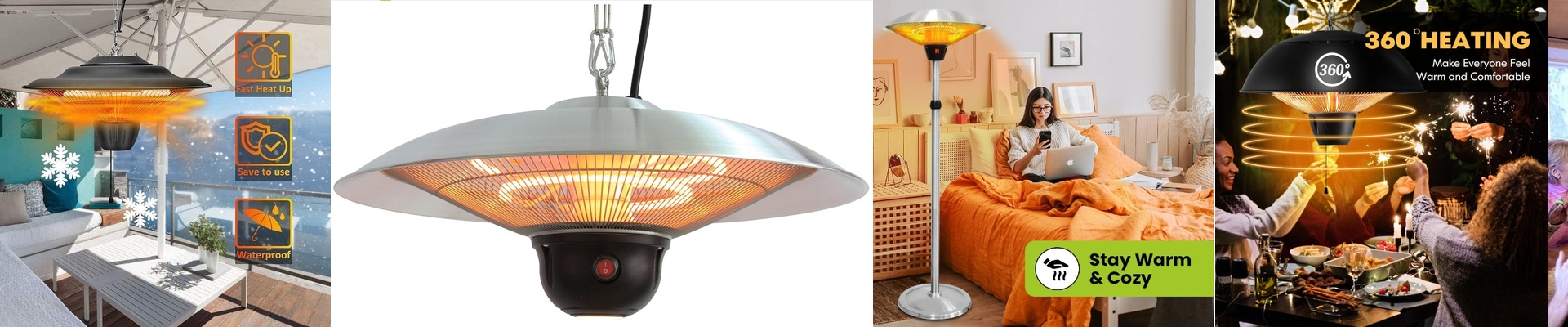
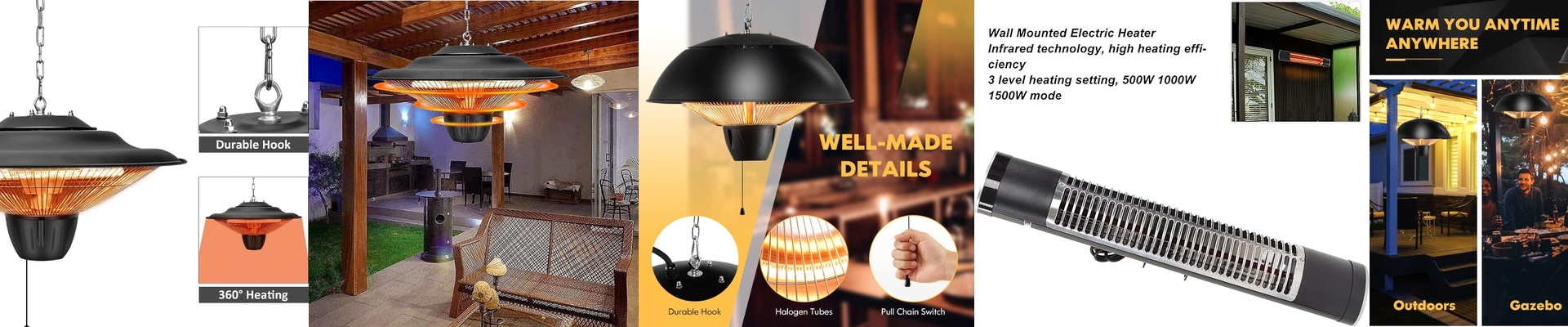
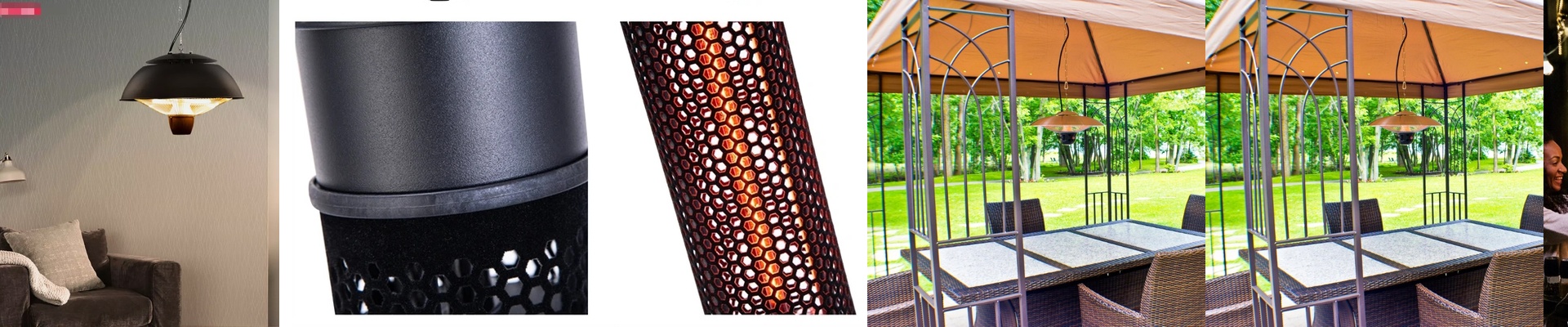
Why Your Ceiling Heaters Actually Die (And How to Stop It)
Ever wonder why so many workshop ceiling heaters just… quit? Most people assume the heating element burned out. But usually, it’s something way more annoying: the lead-wire seals. Here is what’s happening. When you’re running these things at full blast, the spot where the wire hits the quartz tube becomes a total heat soak. Most basic heaters use cheap adhesives that just can’t take the heat. They crack. Then, moisture and oxidation sneak in, the insulation turns to charcoal, and boom—you’ve got a dead short.
The “Cheap” vs. “Pro” Difference
There is a world of difference between a generic heater and something built to OEM standards. Cheap units rely on off-the-shelf silicone or some low-temp resin. The problem is that quartz expands and contracts constantly. Those cheap materials can’t keep up. They just peel away. We do things differently. We use high-density ceramic potting or specialized glass-to-metal seals. The goal is to leavezero air gaps. Why? Because of the “breathing” effect. As a heater cools down, it actually sucks in humid air. If that seal isn’t airtight, the heater is basically inhaling moisture. Before you know it, your insulation is brittle and flaking off like old paint.
Staying Safe Under Pressure
Let’s be real: a short circuit in a heater hanging over your head is a nightmare. When that insulation fails, it often arcs right against the metal housing. To stop that, we use reinforced fluoropolymer coatings on the leads. It just pushes the heat limit higher so you aren’t constantly worrying about a fire. But it’s a balancing act. If a seal is too rigid, the vibrations from the workshop will crack it. If it’s too soft, it melts. We aim for a specific “give”—a hardness that absorbs the shake of the building without letting air in. One last tip: watch your wiring layout. Even the best seal in the world won’t save you if you bunch your wires right next to the heat zone. You’ll cook them regardless. **Give your leads some room to breathe.**Your heater will thank you for it.