Getting IR Curing Right for Lead-Free Chips
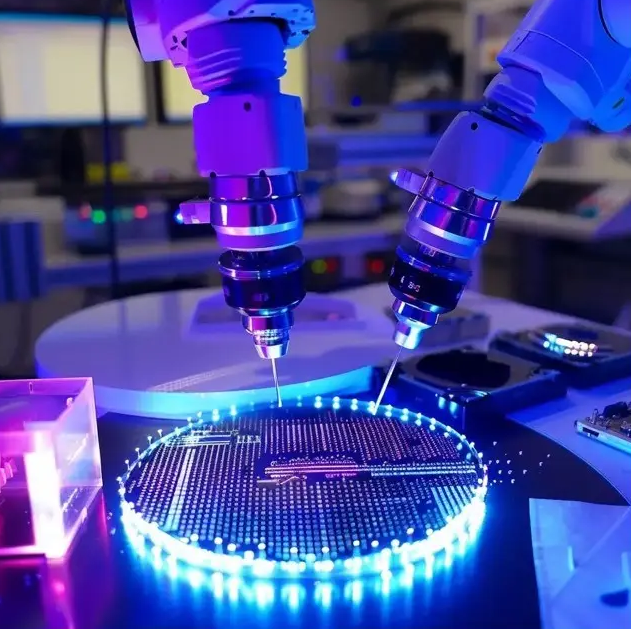
The semiconductor world is under a lot of pressure to go “green” and ditch lead, but nobody wants to slow down the assembly line to do it. That’s where IR curing comes in. Instead of wasting time heating up a giant oven chamber, IR goes straight for the substrate. It’s faster and cleaner. But here is the catch: the lamp can’t do the heavy lifting alone. You need a high-reflectivity aluminum reflector to catch all that wasted energy and push it back onto the wafer. Without one, you’re basically throwing money away.
Where the Heat Actually Goes
Think about an IR lamp like a lightbulb—it throws radiation in every single direction. If you don’t have a reflector, half your power just disappears into the machine frame. We use high-purity aluminum because it handles short-wave and medium-wave spectrums beautifully. By curving that aluminum into a parabolic or elliptical shape, we can focus the heat exactly where it needs to be. The result? You get a higher heat density on your PCB or wafer. You can actually turn down the power draw and still hit your curing speeds. It’s just smarter physics.
The Nitty-Gritty of Materials
These reflectors take a beating. In a semiconductor line, they’re constantly heating up and cooling down. If the aluminum is too thin, it’ll warp. Once that happens, your heat distribution goes sideways and you’ve got a problem on your hands. To stop oxidation from eating away at the performance, we go with anodized or polished finishes. Now, there’s a trade-off here. Polished aluminum looks great and gives you the best initial output, but it’s a magnet for fingerprints and dust. In a cleanroom, that’s usually fine. But if any gunk gets on that surface, you’ll start seeing “cold spots” on your line.
Cutting the Energy Bill
The best part about switching to IR with the right reflectors is the startup time. We’re talking seconds, not hours. You aren’t heating air; you’re heating the part. It also clears out the nasty volatile organic compounds (VOCs) that come with some chemical dryers, which makes the environmental inspectors happy. Just a heads-up: make sure your cooling system can handle that concentrated heat, or you might fry your lamp sockets.