

Stop Letting Dust Kill Your Yields
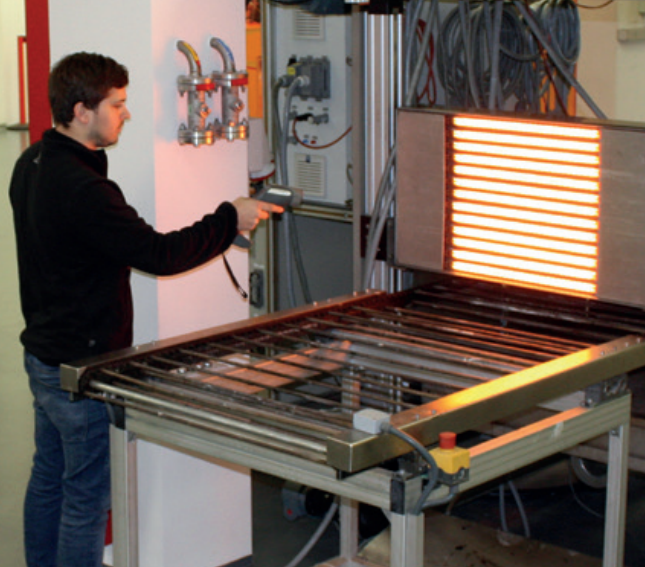
In the world of semiconductor fab and high-end optics, one tiny speck of dust isn’t just an annoyance—it’s a disaster. It can scrap an entire wafer in a heartbeat. If you’re running a Class 100 cleanroom, you’ve probably realized that basic heating elements just don’t make the cut. They tend to off-gas or shed microscopic bits of junk as they heat up and cool down. That’s why we use high-purity quartz glass shields for our fab lamps.
Why Quartz Actually Works
Most glass has boron or sodium in it. At high temperatures, those materials start to migrate. Not great when you’re trying to keep things pristine. We use fused silica. It’s stripped of those metallic impurities, so it stays stable. Think of the shield as a bodyguard for your workpiece. It lets the infrared heat pass right through to the target, but it keeps any material from the filament or the lamp housing from ever touching your production zone.
Keeping it Clean
We don’t just cut the glass and ship it. We scrub the surface to get rid of any contaminants before it even reaches your assembly. We also obsess over the fit. If the tolerance is off, you get “dead zones” where particles love to hide and collect. Because these shields let short-wave IR radiation pass through without soaking it up, you get the heat density you need. The shield itself stays stable and doesn’t become a new source of contamination.
The Real-World Stuff (And the Gotchas)
The good news? You can slide these shields into your existing lamp arrays to bump up your cleanliness specs. It’s a pretty straightforward upgrade. But here’s the thing: high-purity quartz is brittle. One clumsy move during install or a sudden hit of thermal shock, and you’ve got a cracked tube.**Handle these with lint-free gloves.**Always. And make sure your mounting brackets aren’t squeezing the glass too hard. One last tip: check your airflow. If your cooling isn’t balanced, heat can build up between the lamp and the shield. If that happens, your lamps will burn out way faster than they should. Just make sure your specs account for that gap.