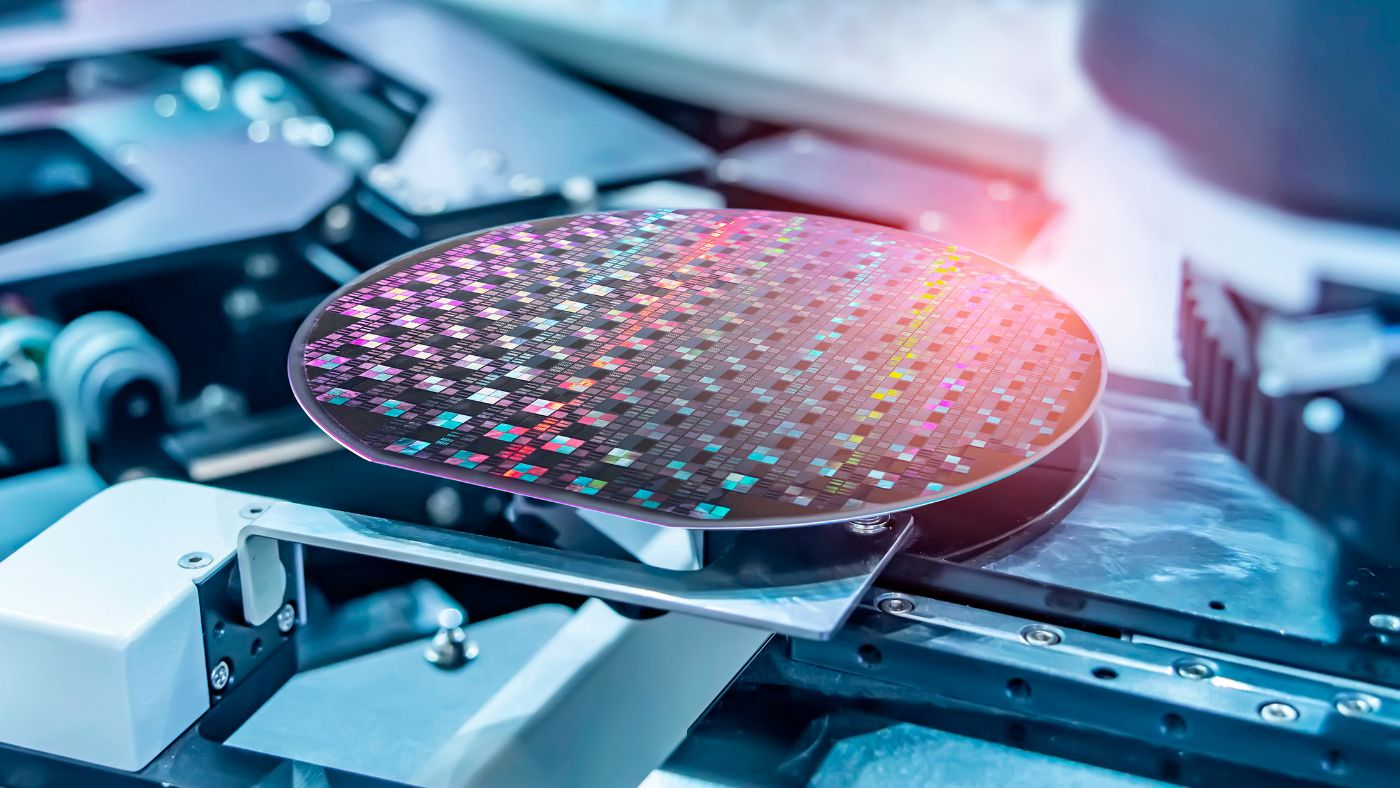
On the fab floor, thermal drift in photoresist processing isn’t some academic concern. It shows up as linewidth variation, adhesion issues, and yield loss that compounds shift after shift. You need a heat source that works with the process, not against it. Our RTP lamps deliver exactly that. We run short-wave and medium-wave infrared emitters in a quartz-halogen design, tuned for fast, clean energy transfer. That gives you wafer-level temperature uniformity within ±0.1°C across the chuck and a repeatable ramp profile that respects the thermal budget. Soft bake and hard bake become repeatable: solvent removal is controlled, film stress stays stable, and critical dimension control stays in spec. The system sits in Class 1–100 cleanrooms with zero particle generation, backed by in-situ monitoring and low-outgassing materials. Here is why it holds up in real work. In wafer drying, the lamp’s fast, non-contact heating drives off moisture without marring the surface. In lithography, it hits soft bake with tight temperature control, which improves edge bead removal and cuts defects. For curing, the same lamp delivers consistent throughput with repeatable profiles—more wafers per hour, without giving up yield. Energy use drops because the energy goes straight to the film and wafer, not into heating the chamber. Reliability shows up in 5,000+ hour runs with less than 5% output drop, keeping unplanned downtime near zero. A few practical notes. Installation means matching the lamp footprint and connector to your RTP tool and verifying optical path alignment; if those are off, uniformity suffers. The lamp performs best with a clean, dry gas environment and periodic emitter inspection. It’s tough, but it doesn’t like sudden voltage transients—protect the power supply, and you protect uptime.