

Stop One Broken Lamp from Killing Your Entire Batch
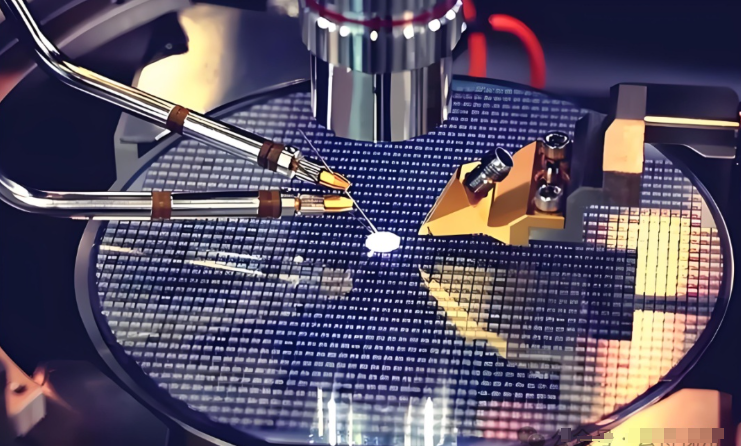
In a busy fab, a lamp blowing out is more than just a headache or a bit of downtime. It’s a nightmare. Imagine a quartz tube bursting right in the middle of a drying cycle. You’ve got glass shards and metallic filaments raining down directly onto your wafers. Just like that, the whole batch is trash. We’ve all been there, and it’s a disaster you just can’t afford. That’s exactly why we obsessed over the design of our infrared lamps. We wanted to make sure that even if something goes wrong, your wafers stay safe. Why do these things actually break? Usually, it comes down to thermal stress. When you’re running high-load production, those tubes are expanding and contracting constantly. If there’s a tiny flaw in the seal or a speck of impurity in the glass, it creates a “hot spot.” The stress builds up, and pop—the tube cracks. To fix this, we use high-purity synthetic quartz. It handles the heat more evenly, so you don’t get those dangerous spikes in temperature that lead to a blowout. Adding a safety net We didn’t stop at the glass quality. We took a two-step approach to keep things clean. First, we tightened the tolerances on the filament. We make sure it’s dead-center so it never touches the walls—which is a huge reason why tubes rupture in the first place. Then, we added a backup. We offer lamps with a specialized protective sleeve or a shatter-resistant coating. Think of it like a safety shield. If the inner quartz fails, the outer layer catches the debris. The shards stay in the lamp, and your wafers stay pristine. The honest trade-off Now, here’s the catch. Adding a sleeve or a coating does block a tiny bit of the IR transmission. You lose a small amount of raw heat compared to a totally bare tube. You might need to nudge up your power settings or give the wafers a bit more dwell time to keep your drying speed where it needs to be. But honestly? That’s a tiny price to pay for the peace of mind knowing you won’t wake up to a ruined batch. One last tip: pair these with a precise PID control system. If you can avoid those sudden voltage spikes, your filaments will last way longer and the risk of a catastrophic burst drops even further.