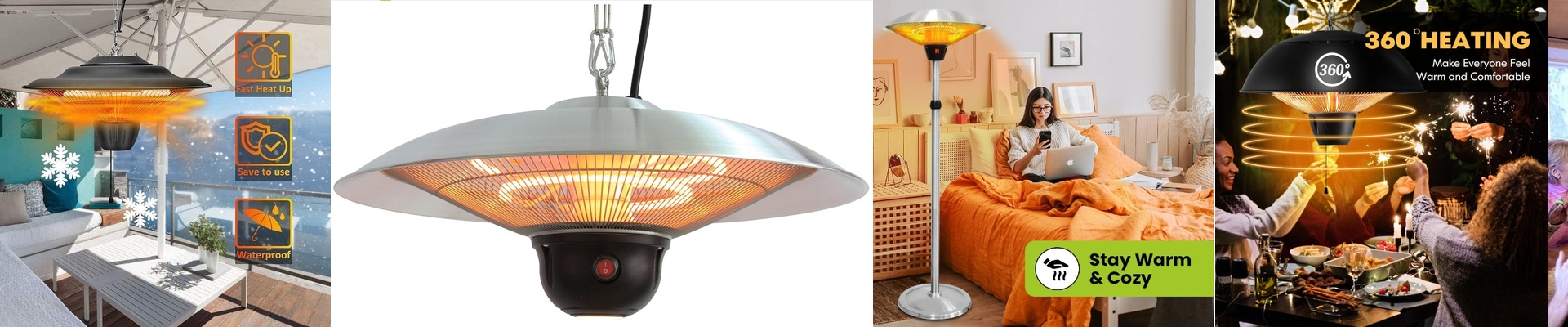
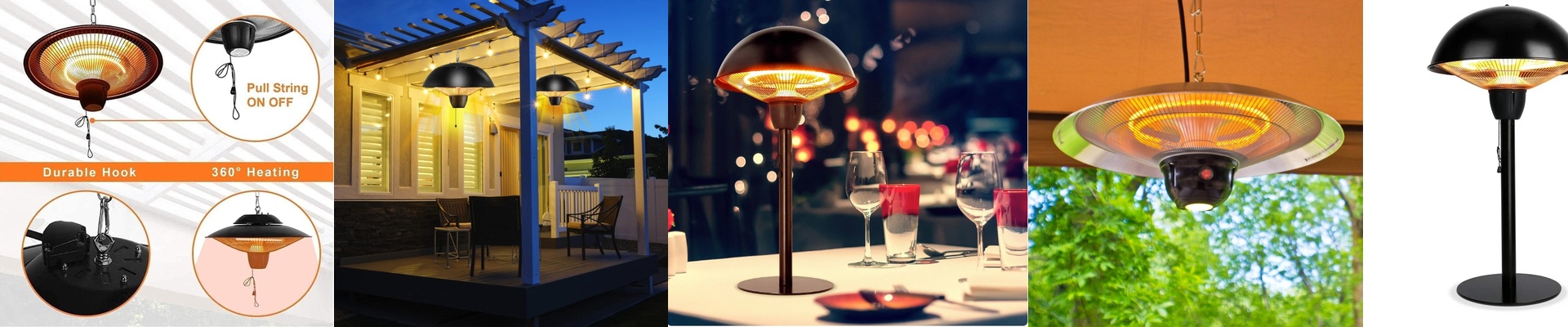
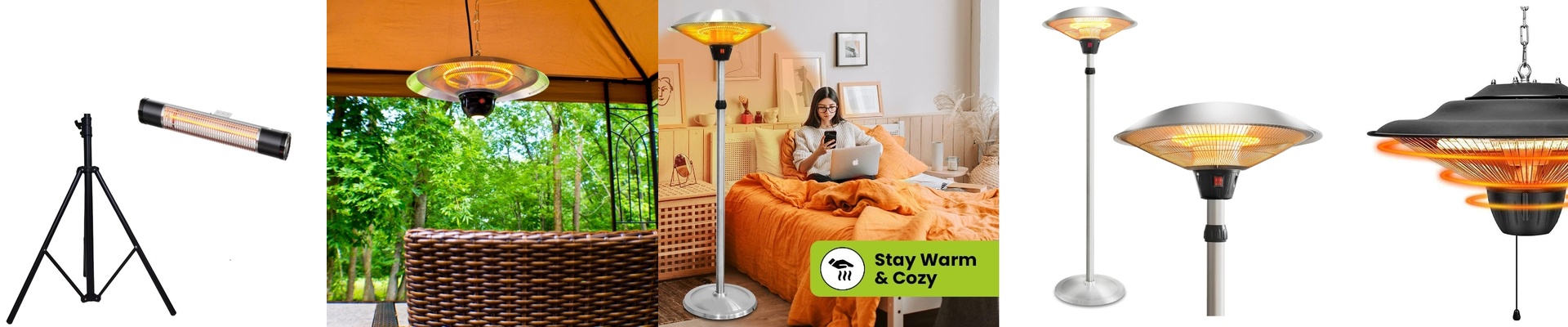
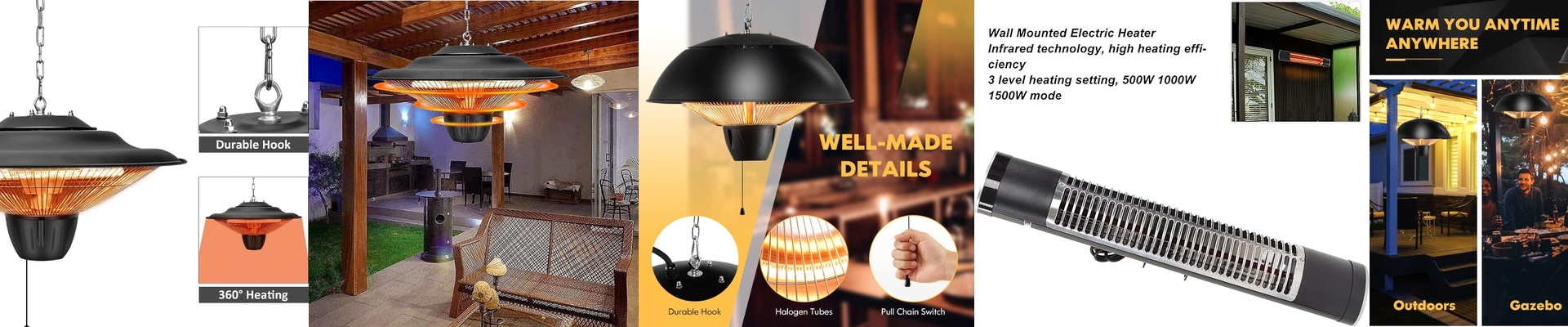
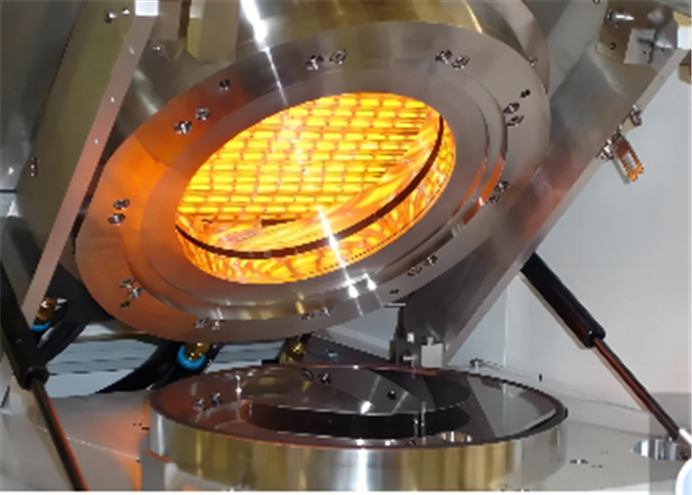
On the line, AFM stage temperature drift shows up as measurement noise, plain and simple. A half-degree swing is enough to smear edge placement, throw off photoresist profiles, and push good lots into rework. We built the AFM heater to hold the probe and sample at setpoint, without the system chasing the process. What matters under the hood We focused on fast, stable response and tight uniformity. The element runs on short-wave infrared, paired with a quartz window for clean transmission, and delivers 150 W in a compact footprint. It’s closed-loop, with a calibrated sensor keeping the measurement zone within ±0.1°C. The body is Class 1–100 cleanroom compatible, using low-outgassing materials and a surface that won’t stir up particles. Repeatability holds setpoint within ±0.05°C after thermal cycling, so your soft bake and hard bake correlations stay consistent from lot to lot. Here’s why it behaves in lithography and photoresist metrology: the heater settles the wafer before the scan, so you don’t chase drift-induced linewidth variation. In packaging, it gives you controlled thermal characterization of underfill and interposers without overshoot that can crack thin structures. The payoff is fewer retries, less scrap, and thermal budgets that stay stable. Energy use drops, too—fast settle and low standby power keep the chamber ready without idle heat. Installation is straightforward, but thermal coupling is where you earn it. The stage needs a flat, clean mating surface; even a small air gap will hurt uniformity. The heater works with most AFM platforms, though integrating with legacy controllers may require the right connector and a calibration table. Run a short commissioning pass to map stage temperature against your chamber sensors, then lock in the profile.