Introduction
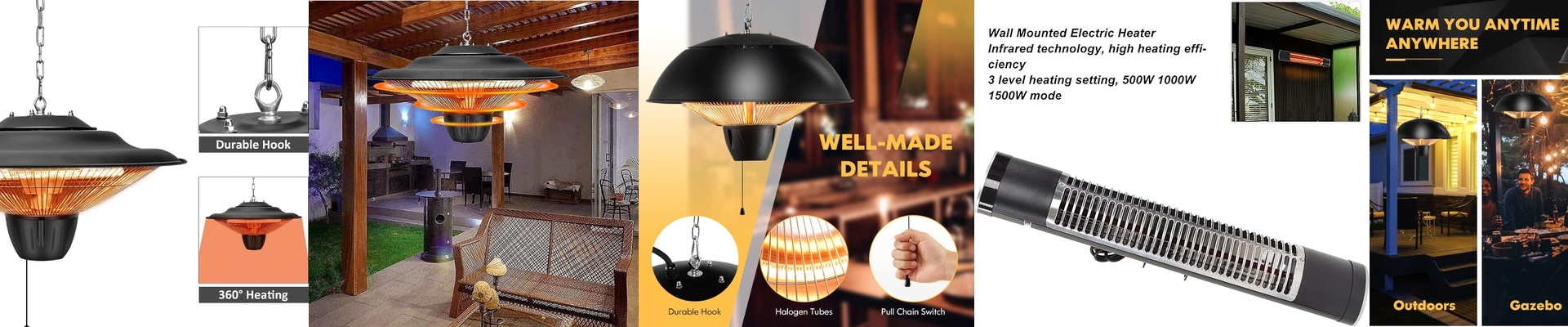
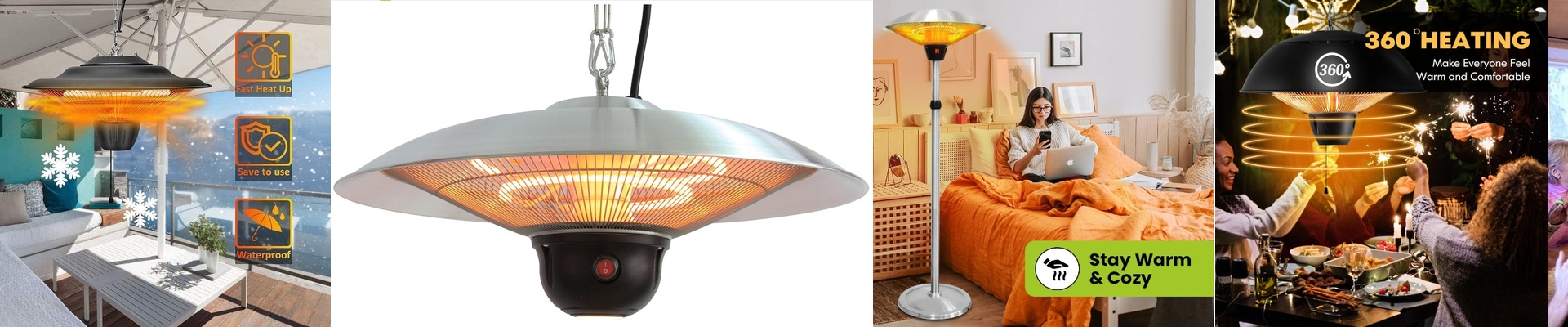
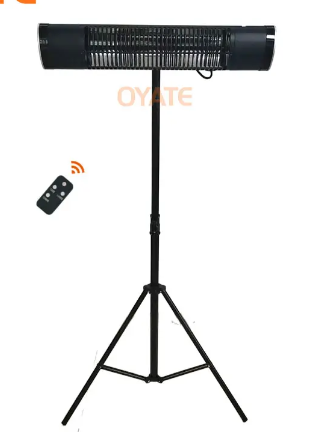
Here’s the thing about trying to heat an open patio or a drafty loading dock with a regular heater: you’re basically fighting a losing battle. The heat just disappears into the air. So, we built this long-range patio heater a different way. It’s a direct-radiant halogen lamp, designed to do what convection heat can’t. Instead of warming the air, it shoots out infrared energy that goes straight to warming people and surfaces. You feel it instantly, even in a wide-open space. It’s targeted, direct heat with way less waste, especially when the wind picks up.
The Tech, Without the Fluff
Under the hood, you’ve got a serious 2500W halogen tube packed into a 300mm frame. It’s a lot of power in a small package. And it’s flexible. You can run it on either 230V or 400V, so you can just plug it into what’s already there. No need to rewire the whole place. The 1.5-meter cable gives you some breathing room at the mounting spot, too. You can make a clean drop without needing messy splices or extensions. The secret to its range? Focused infrared radiation. It travels farther and soaks into skin and solid surfaces way better than trying to heat the air around you.
Built to Last Outdoors
We used a quartz halogen tube with a reflective coating. It pushes more energy forward where you need it and keeps sideways heat loss to a minimum. This also protects the inner parts from the shock of big temperature swings. The R7s base is a no-brainer choice. It’s an industrial standard for a reason. It handles high current, sits perfectly flush, and gives you a rock-solid connection. No flickering. No early burnouts from a little vibration. The whole thing is tough enough to live outside day after day. But, like any outdoor electrical, it still needs proper weatherproofing and a sealed connection to do its job right.
Real-World Use and What It Gets You
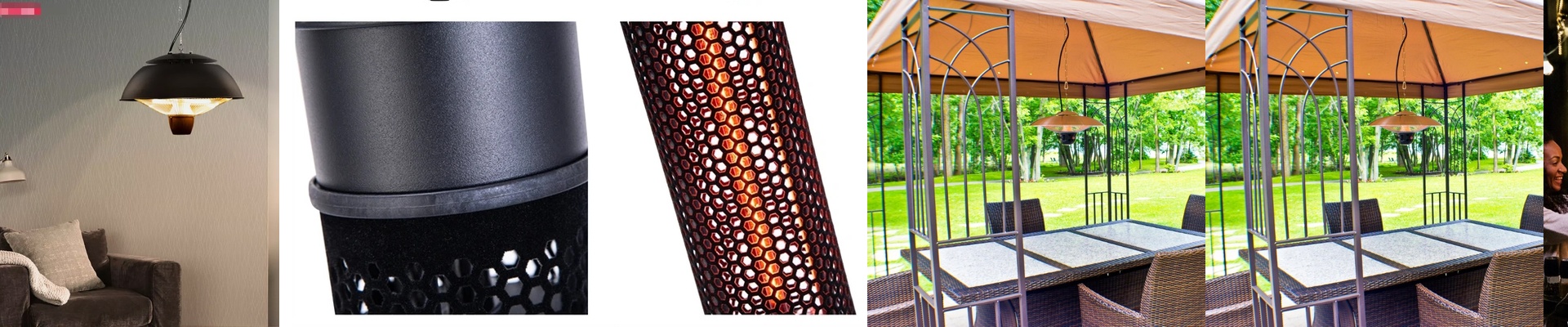
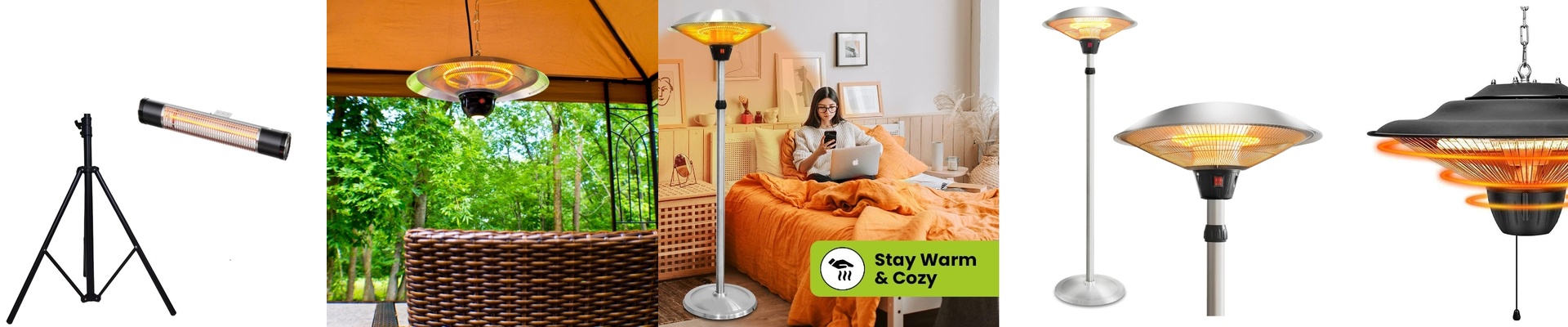
On the job, this heater drops right in where your old halogen unit used to be. That means less downtime when you’re upgrading or replacing something. Because the beam covers so much ground, you need fewer units to cover a big area. That saves you on wiring runs and hardware. Now, there is a trade-off. All that power density means you need to give it enough clearance and make sure you’re on a properly rated circuit. But if you get the mounting and power sorted, you get exactly what you need: reliable, instant radiant heat, right where you want it.