
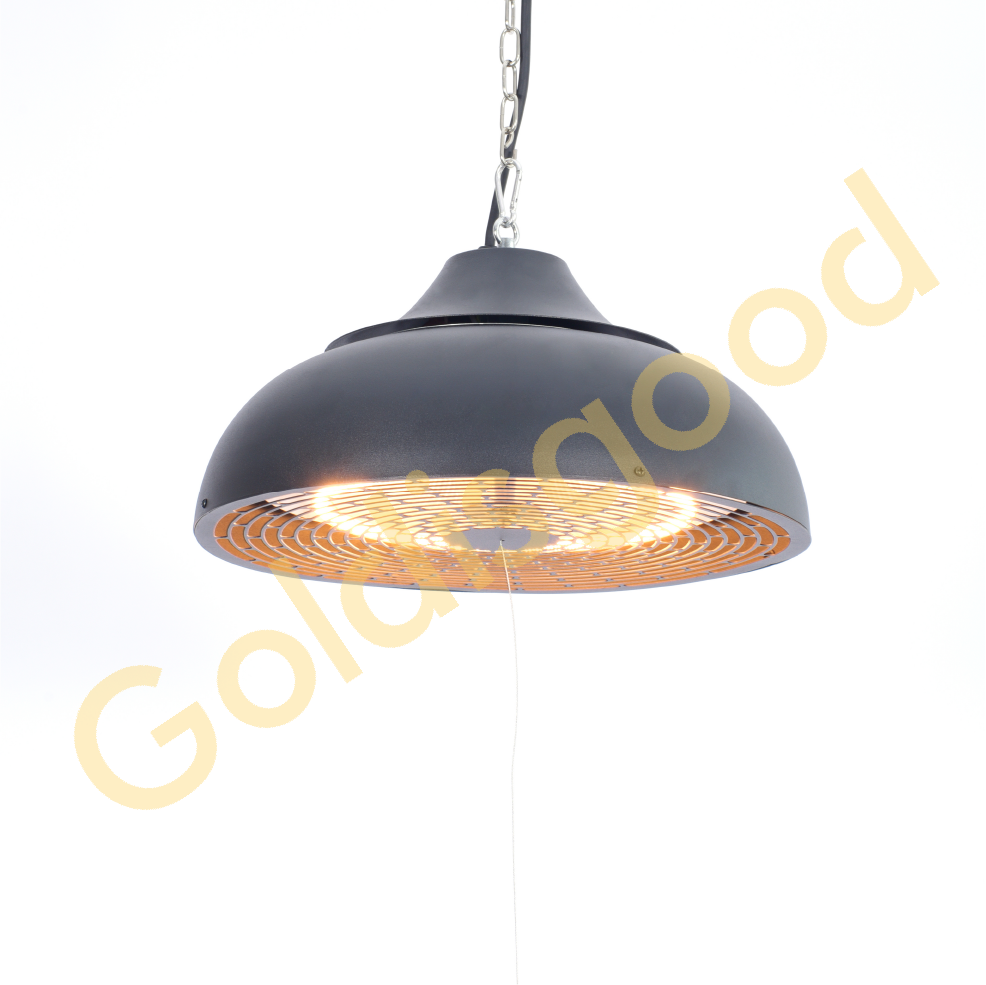
Walk into a modern bathroom remodel these days, and you’ll see the old bulky lamp-style heaters quietly getting replaced by slim, high-IP infrared units. Makes sense. Bathrooms are tight, wet spaces, and the heat has to hit fast, feel even across the body, and keep running through steam and splashes without quitting. When the heater can’t keep up, you get that clammy shock after a shower, a fogged-up mirror, and towels that never quite warm up.
What matters, technically
Infrared warmth is radiant, not convective. It heats people and surfaces directly, so you feel it within seconds instead of waiting for the air to warm. In a bathroom, that means stepping out of the shower into comfort, not a cold draft. Look for an IP rating that matches the exposure. IPX4 is the practical baseline for splash resistance, and many upgraded models are built to IPX5 for more direct spray. Inside, a sealed quartz tube or carbon fiber element delivers durable output, and a thermostat keeps the temperature steady. Most units also include tip-over protection and an overheat cut-out, so the heater shuts down safely if it’s knocked over or airflow is blocked.
Why it fits the space
A waterproof infrared heater lines up with how today’s bathrooms are built: cleaner lines, recessed or surface-mounted options, and materials that handle humidity. Because it heats on demand, you’re using energy only when you need warmth, not to heat the whole room. The payoff is fewer drafts, less condensation on the mirror, and a gentle, dry heat that makes you feel cozy faster. It also plays well with upgraded finishes and smart ventilation, so the space stays comfortable without overworking the exhaust.
The things you actually need to know
Installation is straightforward, but plan it. The heater needs a dedicated circuit and should be wired by a qualified electrician. Choose the location to keep it out of direct water jets from the shower head. Most units are designed for 220–240V. Size the unit to the room: a common starting point is about 10W per square foot, then adjust for ceiling height and how quickly you want the warmth. And while infrared heat feels natural, the unit’s surface gets hot—place it where kids and towels won’t touch it.