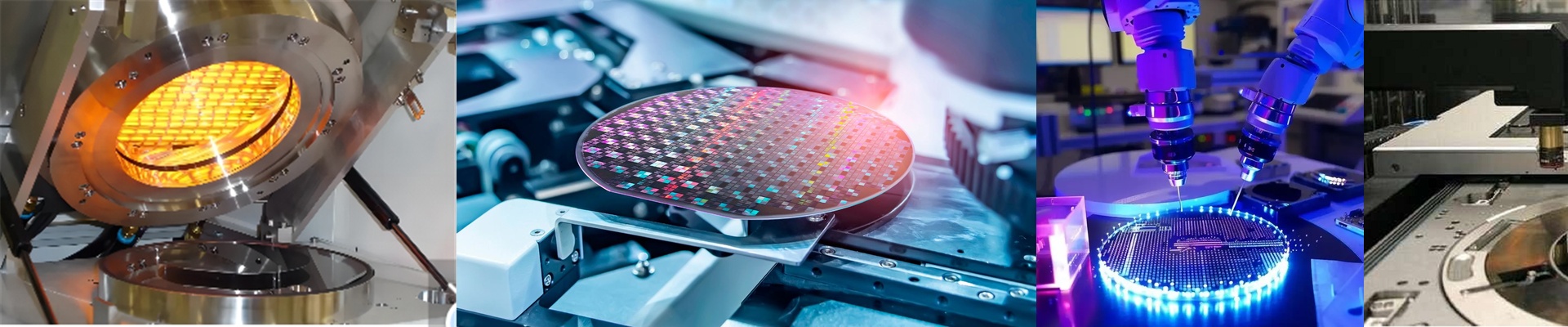


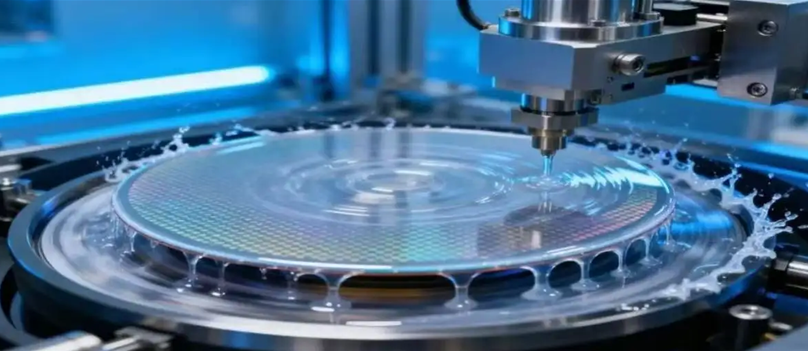
Once the wafer clears lithography, it’s off to die attach on the packaging line. Before that handoff, you have to pull every trace of moisture off the surface. Leave any behind and you’re gambling with voids in the underfill, delamination at the bond interface, or a latent reliability hit that won’t show up on in-line inspection. The drying step isn’t a passive wait—it’s an active thermal move that sets the table for the entire encapsulation sequence. What matters in the real world is control you can count on, day after day. Our drying modules hold wafer-level thermal uniformity within ±0.1°C across the substrate, run in cleanroom Class 1–100, and add zero particles during the cycle. We use NIR heating for rapid, non-contact energy delivery, so the surface hits the target without driving the bulk too far. That temperature precision carries straight into the photoresist bake steps—soft bake and hard bake—giving you stable critical dimension control and fewer scum defects. Repeatability is baked into the thermal profile، and the tool keeps the line moving with 24/7 reliability. Here’s the simple part: you need the thermal budget managed tightly so die attach and encapsulation see the same surface conditions، cycle after cycle. Tight uniformity cuts scrap، speeds changeover، and drops energy per lot. The process window opens up without sacrificing throughput، and the tool drops cleanly into existing packaging flows. A couple of practical notes. NIR drying is sensitive to substrate reflectivity and emissivity، so you have to tune the thermal profile for each product stack. Installation comes down to matching exhaust and make-up air to the tool’s airflow، and aligning the chamber to the handler to keep particle performance where it needs to be. We supply application data and interface specs to cut qualification time.
پس از اتمام لیتوگرافی روی ویفر، فرآیند به مرحله اتصال دی (die attach) در خط بستهبندی منتقل میشود. پیش از این انتقال، باید تمامی رطوبت سطح از بین برود. اگر هرگونه رطوبت باقی بماند، ریسک ایجاد حفره در زیرپرکننده (underfill)، لایهلایه شدن در رابط اتصال و مشکلات پنهان در قابلیت اطمینان که در بازرسی خطی (in-line inspection) قابل مشاهده نیستند، وجود دارد.
مرحله خشکسازی صرفاً انتظار غیرفعال نیست بلکه یک حرکت حرارتی فعال است که پایه و اساس کل توالی بستهبندی (encapsulation) را فراهم میکند.
در عمل، مهم کنترل پایدار و قابل اتکا است که روز به روز بتوان روی آن حساب کرد. ماژولهای خشکسازی ما یکنواختی حرارتی در سطح ویفر را با دقت ±0.1°C در کل زیرلایه حفظ میکنند، در کلاس اتاق تمیز 1–100 کار میکنند و در طول چرخه هیچ ذرهای تولید نمیکنند.
برای تأمین سریع انرژی بدون تماس از گرمکنندههای NIR استفاده میکنیم، تا سطح به دمای هدف برسد بدون اینکه بخش عمده ماده بیش از حد گرم شود. این دقت دمایی مستقیماً در مراحل پخت فتو-رسیت توسعه مییابد—پخت نرم (soft bake) و پخت سخت (hard bake)—که کنترل پایدار ابعاد بحرانی و کاهش عیوب سطحی را تضمین میکند. تکرارپذیری در پروفیل حرارتی تعریف شده و ابزار با قابلیت اطمینان 24/7، خط تولید را بدون وقفه به حرکت نگه میدارد.
مسأله ساده این است که بودجه حرارتی باید به دقت مدیریت شود تا در هر چرخه اتصال دی و بستهبندی، شرایط سطحی یکسانی تأمین شود. یکنواختی دقیق باعث کاهش ضایعات، تسریع تعویض محصول و کاهش مصرف انرژی به ازای هر دسته تولید میشود.
پنجره فرآیندی بدون کاهش نرخ تولید باز میشود و ابزار بهسادگی در جریانهای بستهبندی موجود جای میگیرد.
دو نکته عملی: خشکسازی NIR نسبت به بازتاب و تابش سطح زیرلایه حساس است، پس پروفیل حرارتی را باید برای هر مجموعه محصول بهطور جداگانه تنظیم کرد.
نصب دستگاه شامل تطبیق جریان هوای خروجی و تأمین هوا با جریان هوای ابزار و همچنین تراز کردن محفظه با هندر (handler) برای حفظ عملکرد ذرهای در سطح مورد نظر است. ما دادههای کاربردی و مشخصات رابط را برای تسریع تایید صلاحیت ارائه میکنیم.